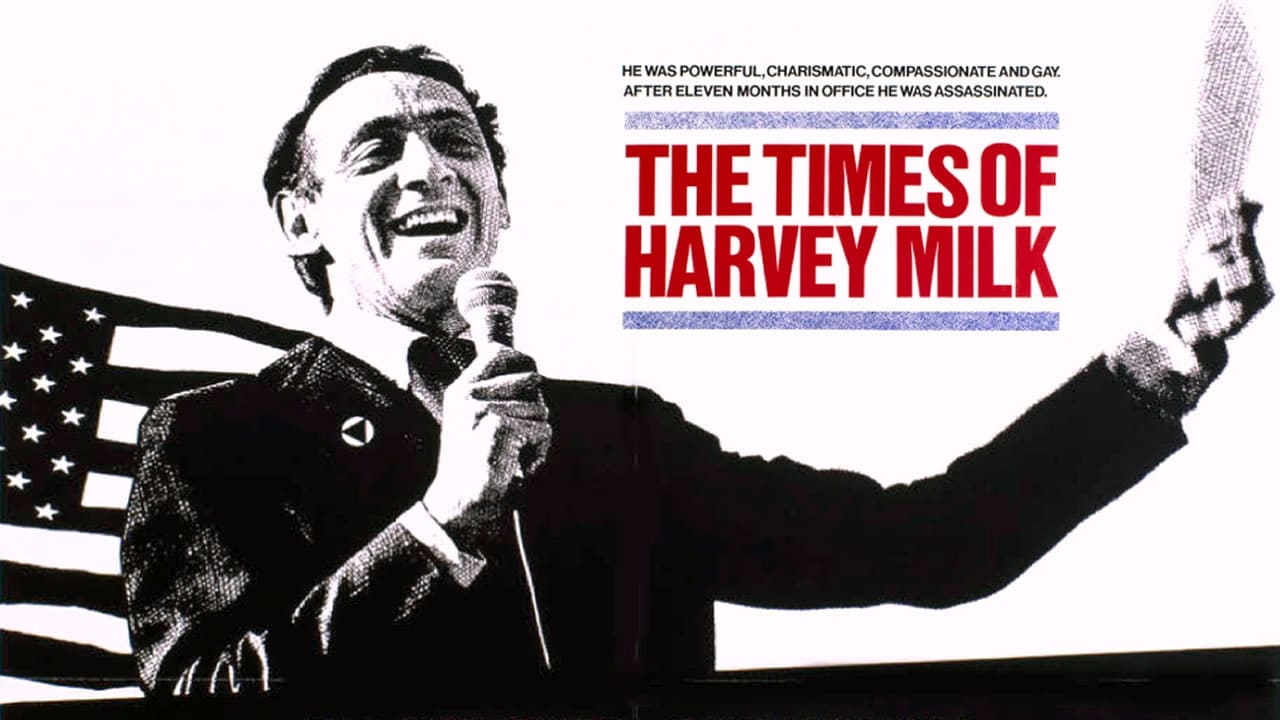
There are some films you stumble upon in the video store aisle, perhaps drawn by the cover or a vague memory of hearing the title, that leave a mark far deeper than you anticipated. For me, discovering Rob Epstein's The Times of Harvey Milk (1984) on VHS felt like uncovering not just a historical document, but a profoundly moving piece of human experience. It doesn’t shout; it unfolds, using the grainy, intimate textures of newsreels and home movies from the 1970s to paint a portrait of a man, a movement, and a city at a pivotal moment.
More Than Just a Politician
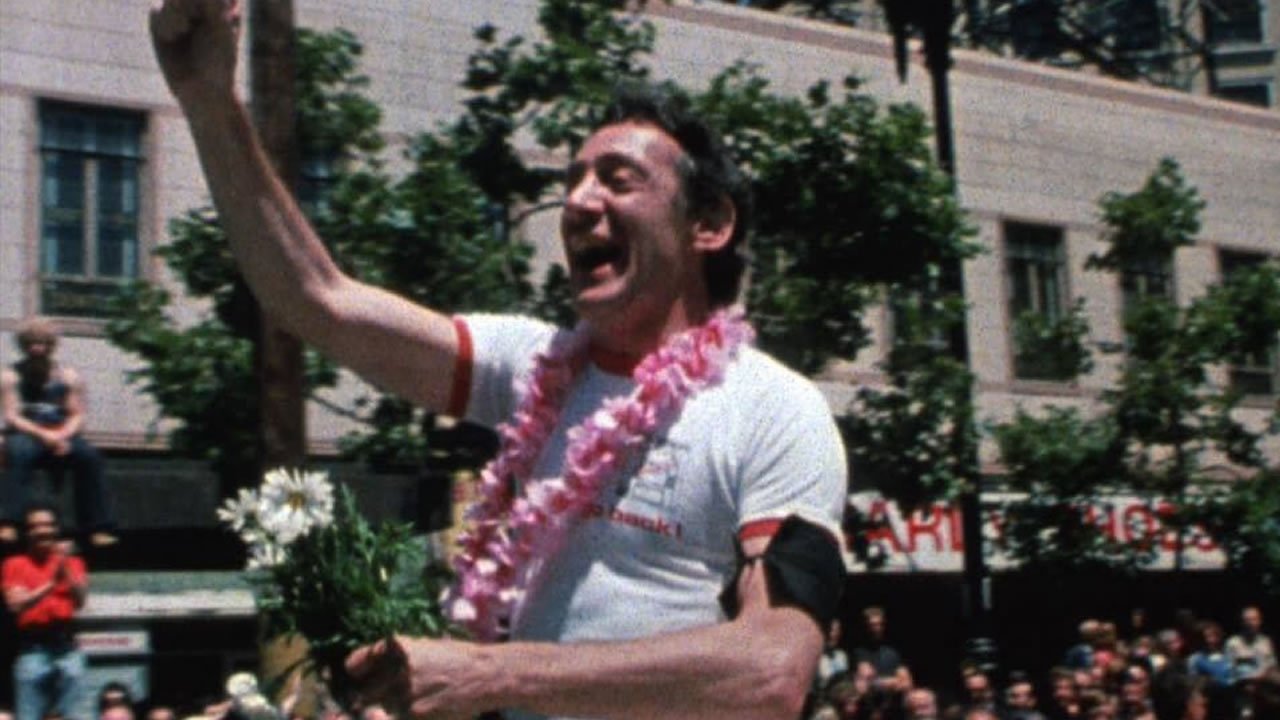
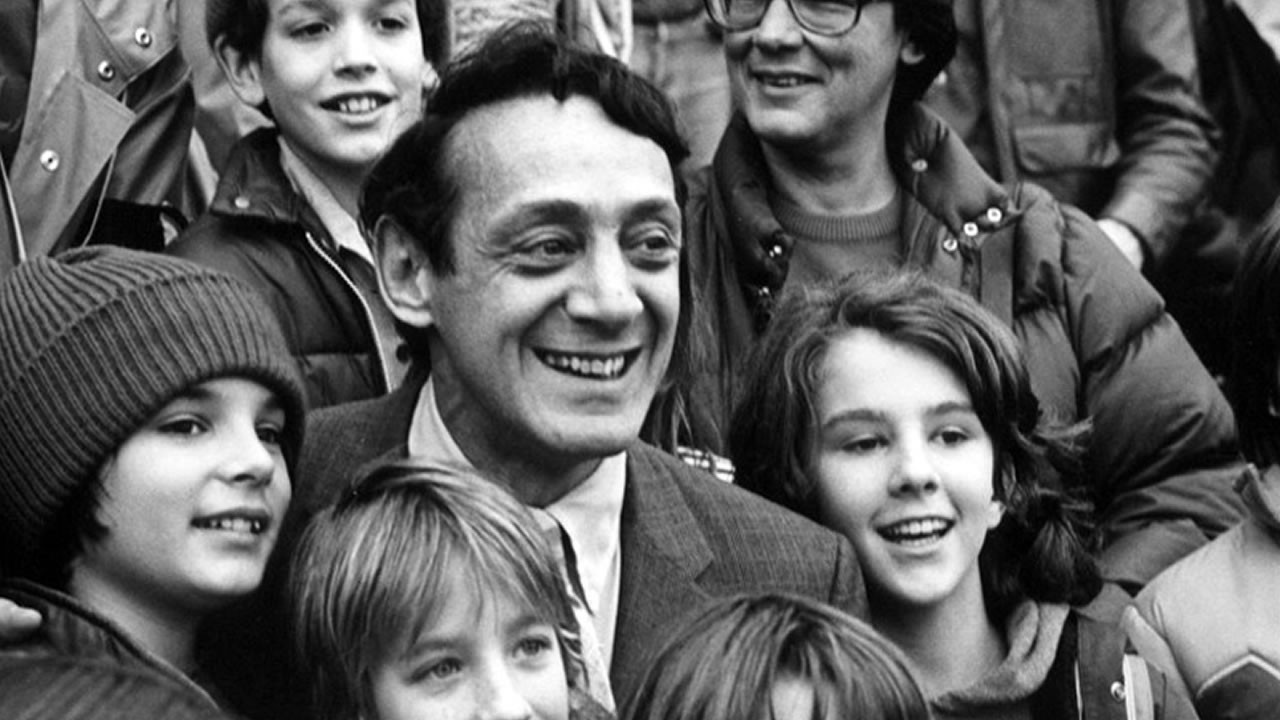
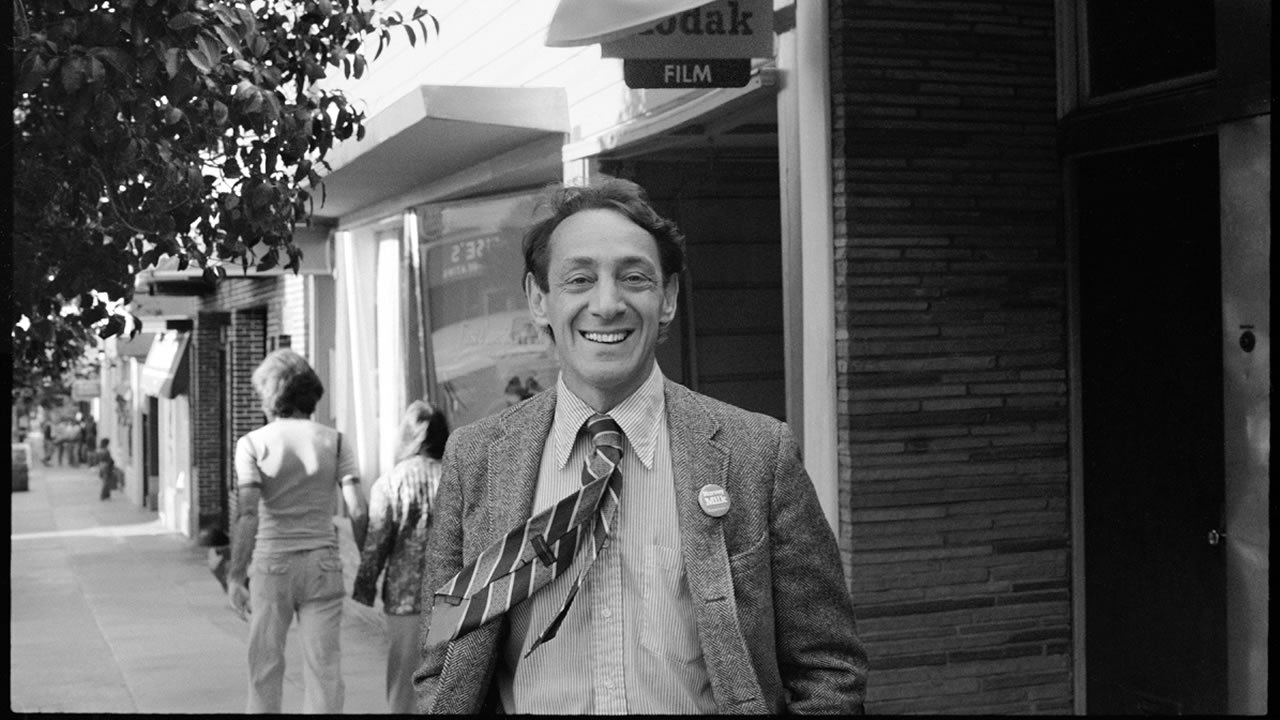
What strikes you immediately is Harvey Milk himself. Not the mythologized figure, but the man captured on film – beaming, energetic, sometimes goofy, often impassioned. Through extensive archival footage, much of it remarkably candid, we see the former camera shop owner evolve into a galvanizing force in San Francisco politics. He wasn't just a gay politician; he was one of the first openly gay elected officials in a major US city, a symbol of hope for a community finding its voice. The film brilliantly showcases his charisma, his directness ("My name is Harvey Milk and I'm here to recruit you!"), and his understanding that political power was intertwined with personal visibility. You feel the energy of the Castro district burgeoning around him, a palpable sense of possibility mixed with the very real dangers faced by the LGBTQ+ community.
Echoes of Hope and Heartbreak
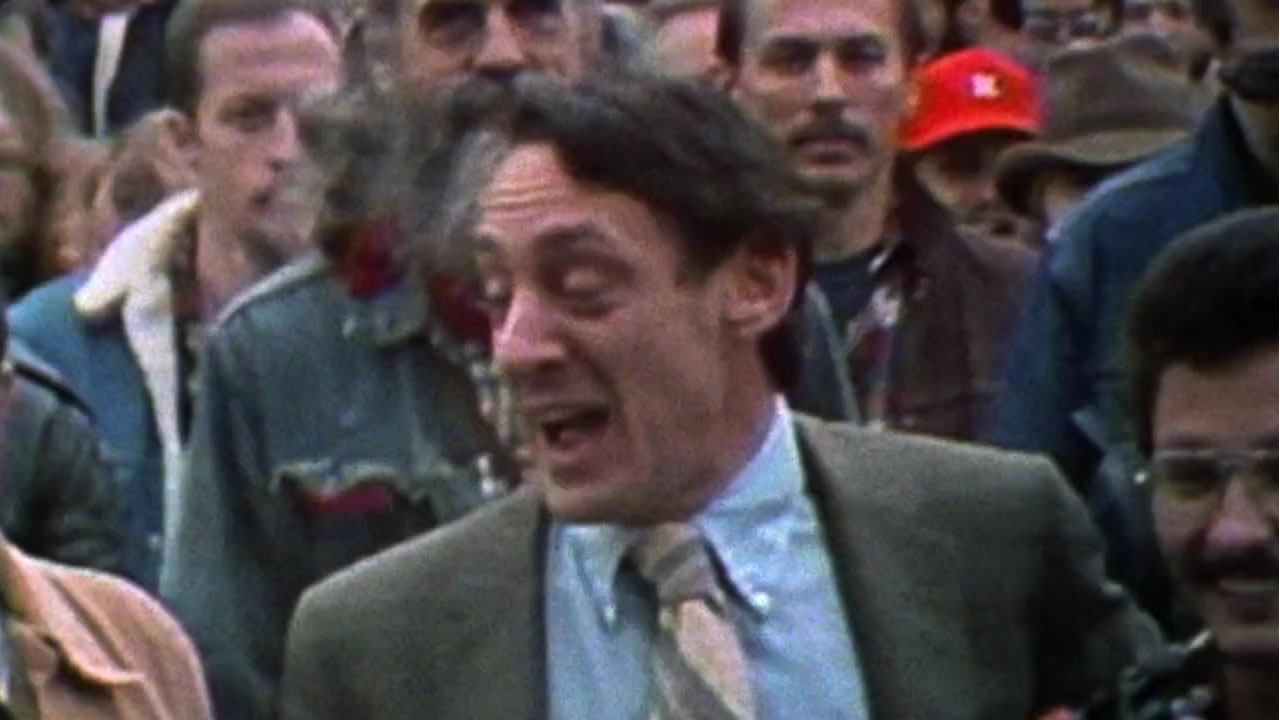
But the film’s true emotional anchor lies in the interviews. Conducted in the early 80s, just a few years after the devastating events of 1978, these conversations with Milk’s friends, colleagues, and fellow activists are raw, poignant, and incredibly powerful. Campaign manager Anne Kronenberg, activist Cleve Jones, fellow supervisor Tom Ammiano, and others share their memories with an honesty that pierces through the screen. There’s no performative grief, just the lingering weight of loss and the enduring strength of their convictions. Listening to Kronenberg recount her initial reluctance to work for Milk, only to become one of his closest confidantes, or hearing Jones describe the shockwaves of the assassination – these moments feel intensely personal, drawing you into their circle of remembrance. Their testimony elevates the film beyond mere biography; it becomes a collective eulogy and a testament to the bonds forged in struggle.
Weaving Footage into Truth
Director Rob Epstein, along with editor Deborah Hoffmann, masterfully weaves these contemporary interviews with the archival material. It's a delicate balancing act – allowing Milk's story to unfold chronologically while using the reflections of those who knew him to provide context and emotional depth. Finding and assembling this wealth of footage, from local news reports to campaign rallies and intimate moments, must have been a monumental task in the pre-digital age. Reportedly, Epstein and his team spent years gathering these visual fragments to reconstruct Milk's public life. The narration, provided by the unmistakable voice of Harvey Fierstein (whose own work like Torch Song Trilogy was breaking ground around the same time), adds a layer of warmth and gravity without ever overpowering the primary sources. It feels less like narration and more like a trusted guide leading us through this complex history.
The Shadow of Violence, The Glare of Injustice
The film doesn't shy away from the darkness that ultimately consumed Milk and Mayor George Moscone. The entry of Dan White into the narrative – the disgruntled former supervisor – casts an immediate pall. The documentary meticulously builds towards the assassinations on November 27, 1978, using news reports and the stunned reactions of the city to convey the magnitude of the tragedy. Perhaps most chillingly, it covers White's trial and the infamous "Twinkie defense," which led to a voluntary manslaughter conviction rather than murder, sparking the explosive White Night Riots. Watching the footage of the protests and the police response remains deeply unsettling, a stark reminder of the anger and injustice felt by a community betrayed. It forces a confrontation with uncomfortable questions about prejudice, mental health defenses, and the very definition of justice – questions that, frankly, still echo today.
An Oscar, A Landmark, A Lasting Record
The Times of Harvey Milk went on to win the Academy Award for Best Documentary Feature in 1985, a significant achievement that brought this vital story to a much wider audience. In the landscape of 80s cinema, where authentic LGBTQ+ representation was scarce, its impact cannot be overstated. It wasn’t just a film; it was validation, education, and remembrance captured on magnetic tape. For many of us browsing those video store shelves, it might have been the first time we encountered this story with such depth and humanity. Discovering it felt important then, and revisiting it now, its power hasn't diminished. If anything, its careful, compassionate approach to documenting a controversial and painful chapter feels even more vital. Epstein would continue this vital work, notably co-directing the equally essential AIDS documentary Common Threads: Stories from the Quilt in 1989.
Rating: 10/10
This rating isn't given lightly. The Times of Harvey Milk achieves a rare synthesis of historical documentation, emotional resonance, and masterful filmmaking. It uses the tools of documentary not just to inform, but to immerse the viewer in a specific time and place, fostering empathy for its subjects and demanding reflection on the issues it raises. The archival footage is captivating, the interviews are heartbreakingly authentic, and the narrative construction is seamless. It's a film that educates the mind and profoundly touches the heart.
Decades after its release, the film remains more than just a history lesson; it's a vital reminder of the cost of prejudice, the courage it takes to stand for one's identity, and the enduring power of hope, even in the face of unimaginable loss. What lingers most is the echo of Milk's own call to action – a message of visibility and resilience that feels as urgent now as it did then.