## Those First Few Steps into a Wider World: Reflecting on Shunji Iwai's April Story (1998)

There's a certain quiet magic to the arrival of spring, especially when it coincides with a profound life change. Remember that feeling? The nervous excitement, the unfamiliar streets, the sense that anything could happen? Shunji Iwai's gentle 1998 film, April Story (四月物語, Shigatsu Monogatari), captures this precise, fragile moment with an intimacy that feels less like watching a movie and more like revisiting a half-remembered dream. It’s a film that perhaps didn't shout from the rooftops of the late 90s cinematic landscape, often dominated by louder, faster fare, but its quiet resonance lingers long after the tape clicks off. For those of us who haunted the 'World Cinema' or 'Drama' aisles of the video store, stumbling upon a gem like this felt like discovering a secret.
Whispers of Spring in Tokyo
The premise is deceptively simple. Uzuki Nireno (Takako Matsu), a shy, somewhat naive young woman from rural Hokkaido, moves to Tokyo to attend Musashino University. We follow her tentative first steps: finding her small apartment, navigating bustling city life, joining a slightly odd fly-fishing club, and making hesitant connections with neighbours and classmates. The film unfolds not through dramatic plot points, but through vignettes, observations, and Uzuki's internal world. It’s a narrative structure that mirrors the fragmented, sometimes bewildering experience of settling into a new environment. At a lean 67 minutes, Iwai doesn't waste a frame; every scene feels purposeful, contributing to the overall tapestry of Uzuki's nascent independence.
The Iwai Aesthetic
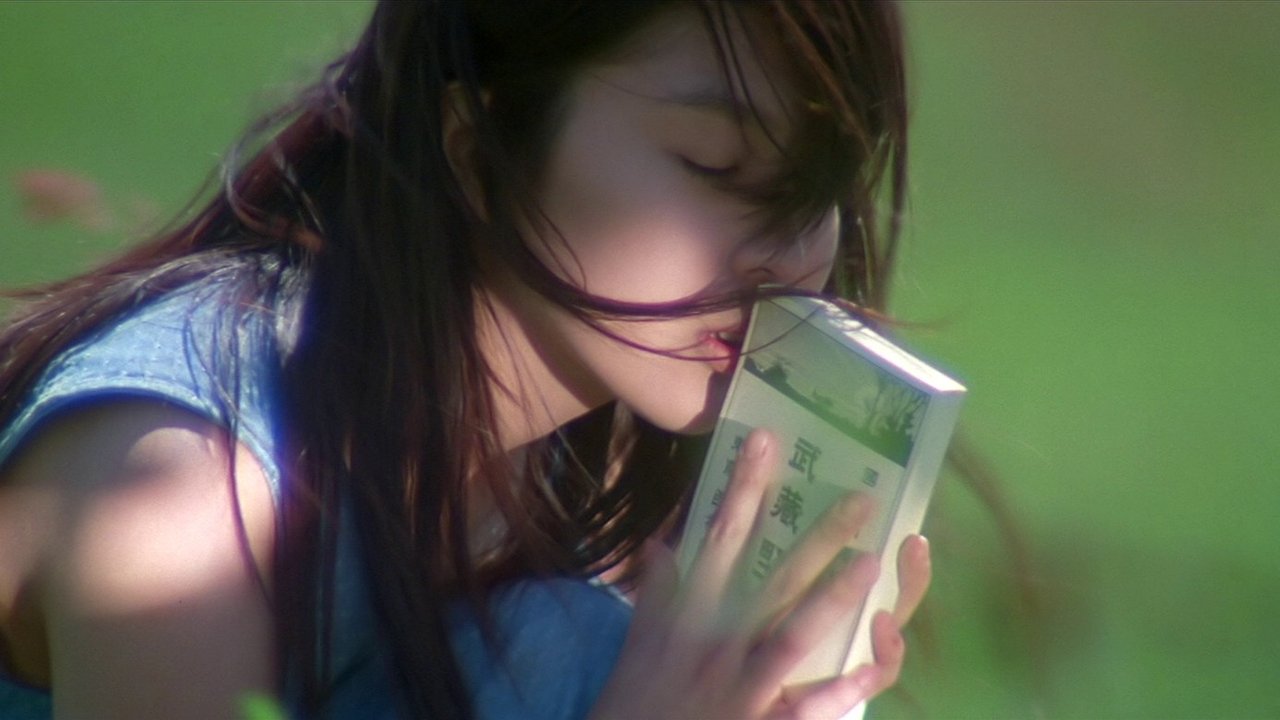
Director Shunji Iwai, who had already captivated audiences with the poignant Love Letter (1995), employs his signature visual poetry here. The film is bathed in the soft, specific light of Japanese springtime – cherry blossoms drift through frames, sunlight filters through leaves, and even rain takes on a melancholic beauty. Iwai often favours handheld camerawork, not in a jarring way, but to create a sense of immediacy, as if we are observing Uzuki’s experiences right alongside her. There’s a documentary-like feel at times, capturing the mundane details – unpacking boxes, awkwardly introducing oneself, the quiet hum of a neighbourhood – that ground the film in a palpable reality. It’s a far cry from the slick visuals often associated with late 90s cinema, opting instead for something more organic and deeply felt.
A Universe in Small Gestures
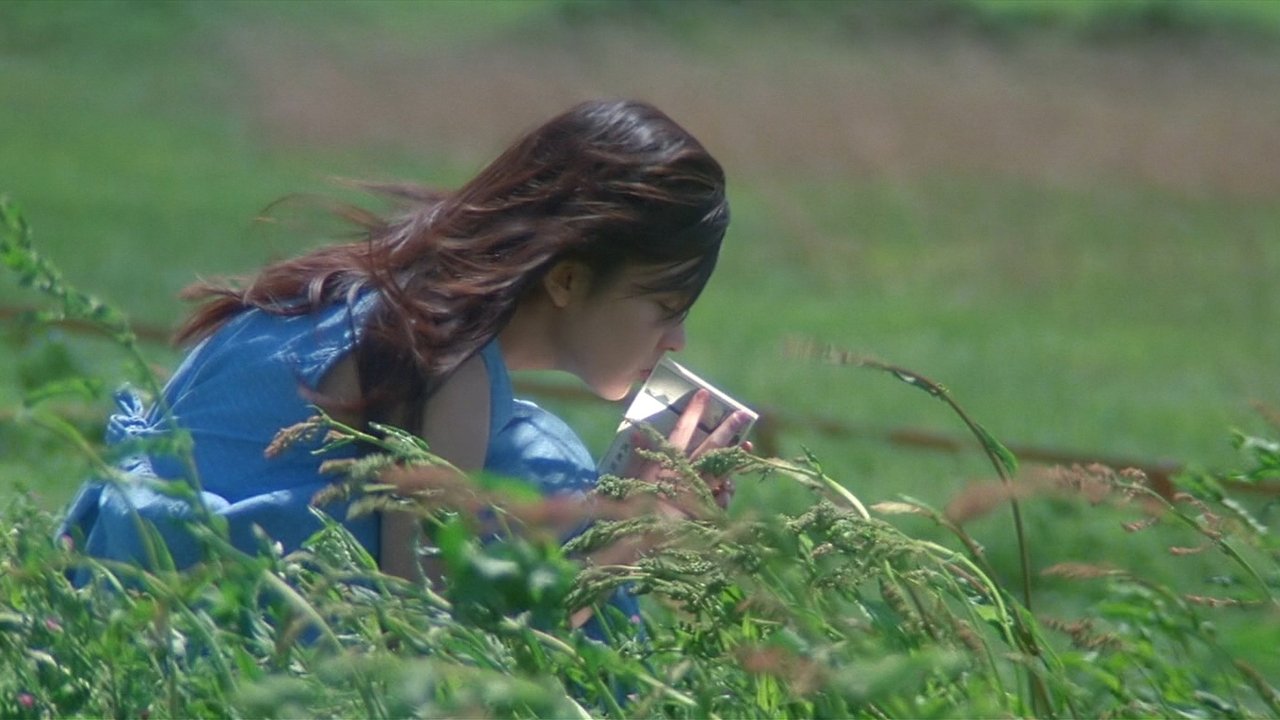
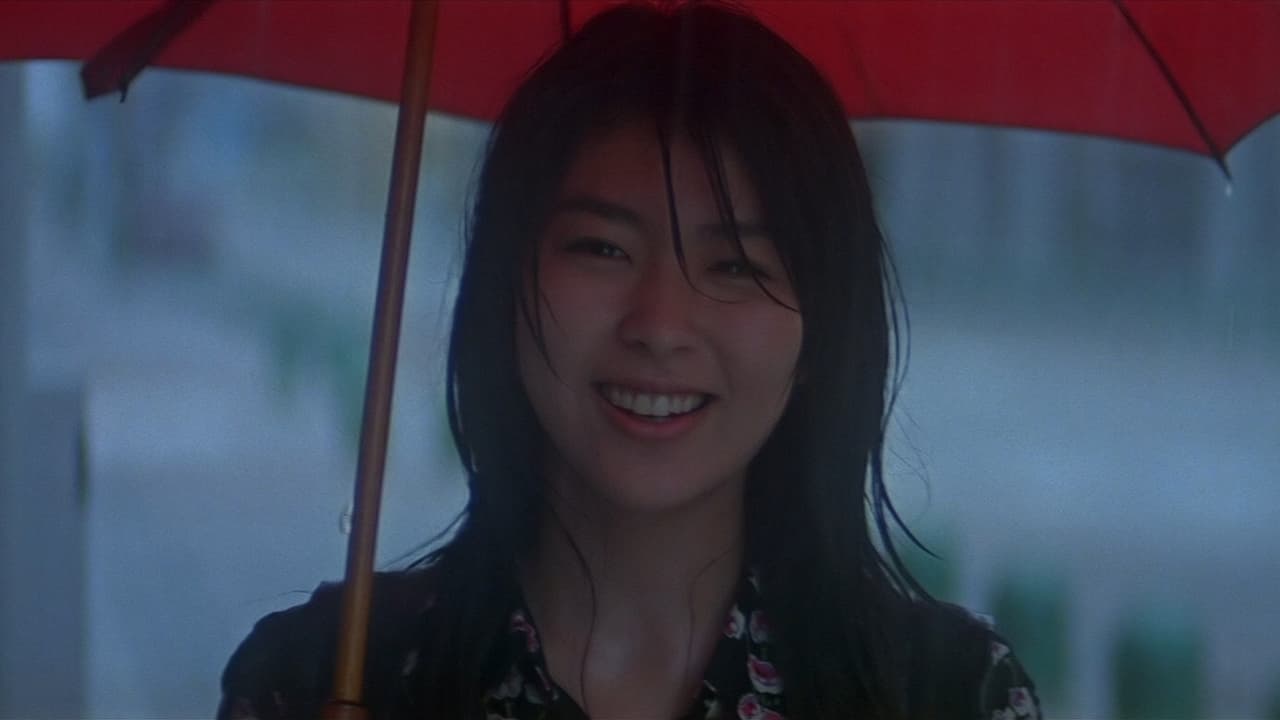
The heart of April Story beats within Takako Matsu's incredibly nuanced performance. Already a popular figure in Japan through music and television, Matsu embodies Uzuki with breathtaking authenticity. Much of the character's journey is internal, and Matsu conveys volumes through fleeting expressions, shy glances, and moments of quiet contemplation. Watch her tentative smiles, the way she nervously adjusts her glasses, or the sudden spark of joy when she encounters something familiar – it's a masterclass in understated acting. We learn, subtly at first, that Uzuki's choice of university wasn't entirely academic; she followed a boy, Yamazaki (Seiichi Tanabe), whom she admired from afar in high school and who now works at a local bookstore. Tanabe’s presence is brief but crucial, representing the hidden hope that fuels Uzuki’s big move. His gentle, unassuming nature perfectly complements Uzuki's quiet adoration. The film wisely keeps his perspective distant, focusing entirely on Uzuki's subjective experience of this unspoken connection.
Finding Beauty in the Everyday
What makes April Story endure isn't grand drama, but its profound appreciation for the small, often overlooked moments that constitute a life. The awkward conversation with a neighbour, the slightly eccentric film club screening, the simple pleasure of finding the bookstore where Yamazaki works – these incidents build a portrait of a young woman finding her footing. Iwai captures that specific blend of loneliness and liberation that comes with moving away from home for the first time. Isn't there something universally recognizable in Uzuki's quiet determination to navigate this new world, even when she feels overwhelmed or out of place?
The film’s most memorable sequence involves a sudden downpour and a shared umbrella – a moment of unexpected connection rendered with Iwai’s characteristic visual grace. It’s moments like these, small points of light in the sometimes-daunting expanse of a new city, that resonate deeply. It’s a reminder that significant experiences don't always announce themselves with fanfare; sometimes they arrive quietly, like spring rain.
A Quiet Gem on the Shelf
Watching April Story today feels like uncovering a delicate time capsule. It lacks the cynicism or overt stylization of many films from its era, offering instead a sincere and hopeful perspective on growth and transition. It’s the kind of film that might have been overshadowed on the new release wall by bigger titles, but finding it felt like a personal discovery – a quiet whisper amidst the noise. Its gentle pace and focus on atmosphere seem almost tailor-made for the cozy intimacy of watching a VHS tape on a rainy afternoon. It doesn’t demand your attention; it invites it, rewarding patient viewers with its subtle charms and emotional honesty. This April Story review hopefully conveys some of that unique feeling – it’s more than just a 90s Japanese cinema piece; it’s a timeless exploration of a universal human experience.
Rating: 9/10
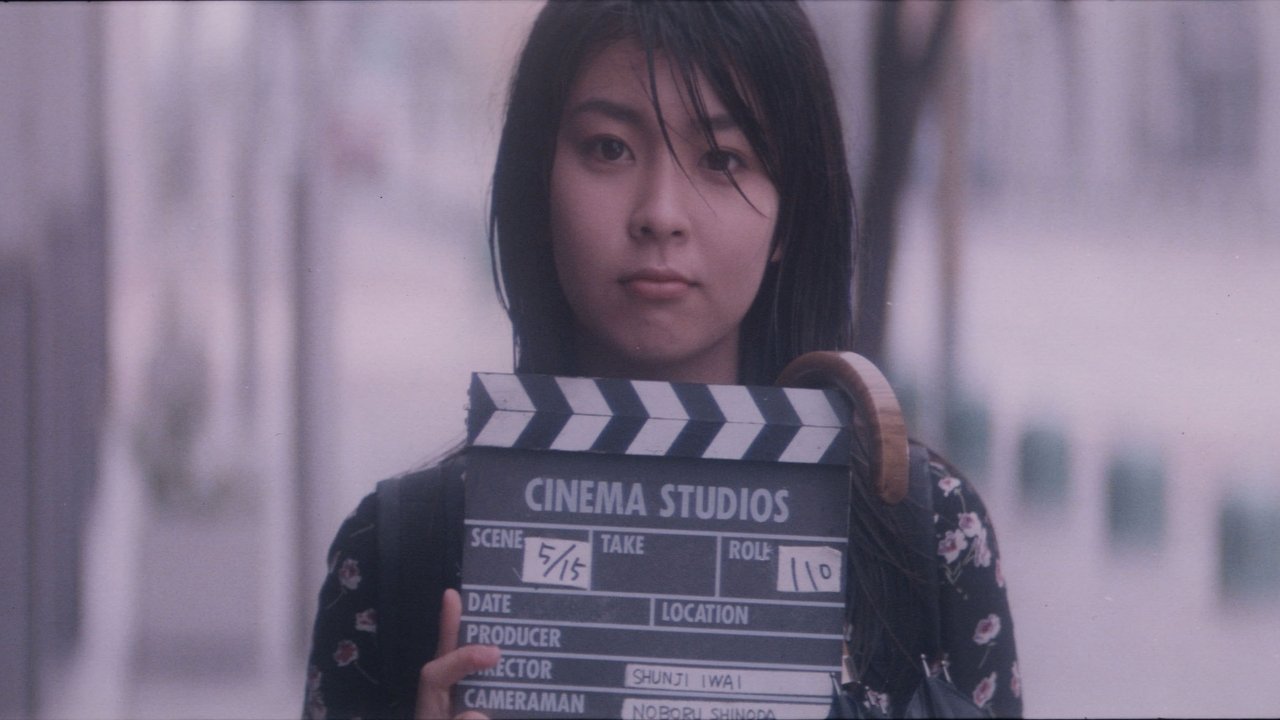
This score reflects the film's masterful execution of its modest goals. Shunji Iwai's direction is poetic and assured, Takako Matsu delivers a perfectly pitched performance of quiet depth, and the film captures a specific, universal feeling with remarkable sensitivity and visual beauty. It’s a near-perfect miniature, achieving precisely what it sets out to do with grace and artistry.
Final Thought: April Story doesn't offer easy answers or dramatic resolutions, much like life itself. Instead, it leaves you with a feeling – the gentle melancholy and hopeful anticipation of standing on the cusp of something new, bathed in the soft light of spring. What more could you ask for?