Alright, fellow tapeheads, dig this one out from the back of the shelf – maybe wedged between Iron Eagle and something starring Chuck Norris. It's 1990's Fire Birds, a movie that practically screamed "rent me!" with its promise of high-tech hardware and explosive action, perfectly packaged in that slightly oversized clamshell case. Remember cracking that plastic open? This one tried so hard to be the Top Gun of attack helicopters, and while it doesn't quite reach those lofty altitudes, it delivers a certain kind of noisy, earnest, hardware-heavy spectacle that feels distinctly of its time.
### Apaches Now!
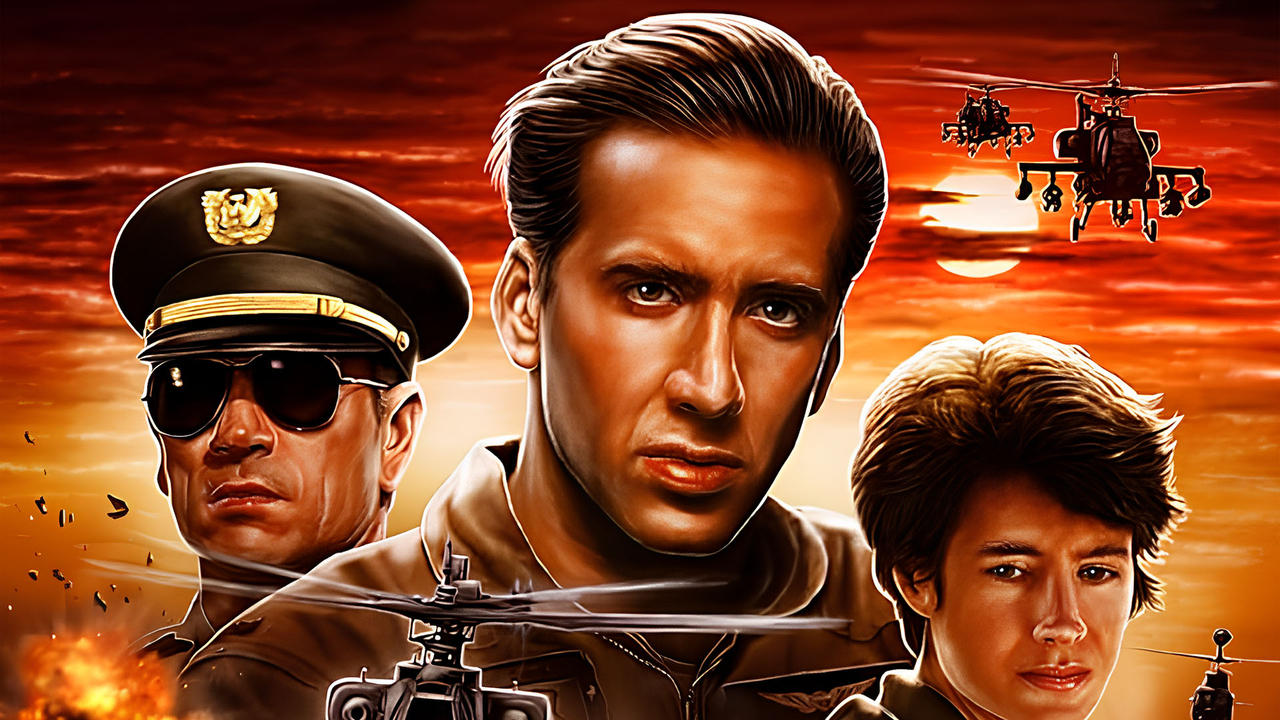
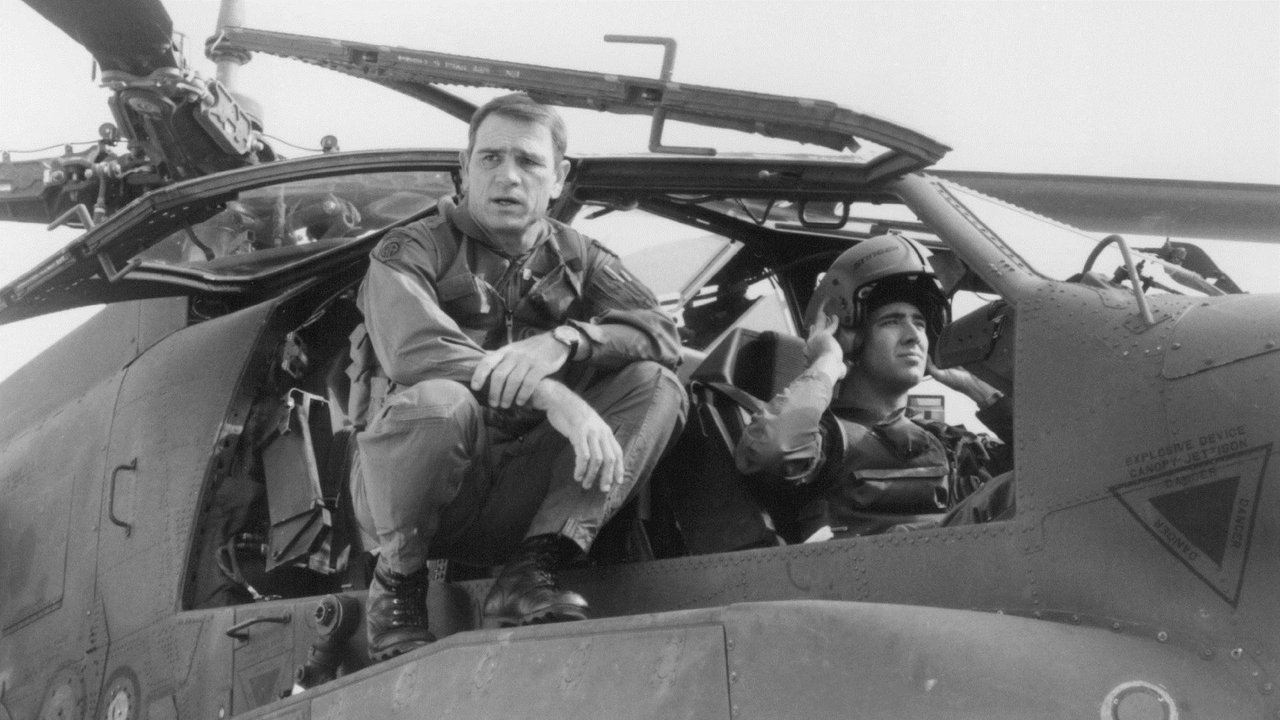
The premise is pure early 90s action fodder: the US government forms an elite task force using the then-cutting-edge AH-64 Apache helicopters to combat a deadly South American drug cartel that possesses its own ace helicopter pilot mercenary. Enter Jake Preston (Nicolas Cage), a cocky Army aviator haunted by a past failure (naturally), who needs to be whipped into shape by the stoic, seen-it-all Chief Warrant Officer Brad Little (Tommy Lee Jones). Oh, and Preston’s ex-girlfriend, Billie Lee Guthrie (Sean Young), just happens to be a skilled scout helicopter pilot also assigned to the mission, adding a layer of romantic tension thicker than the rotor wash.
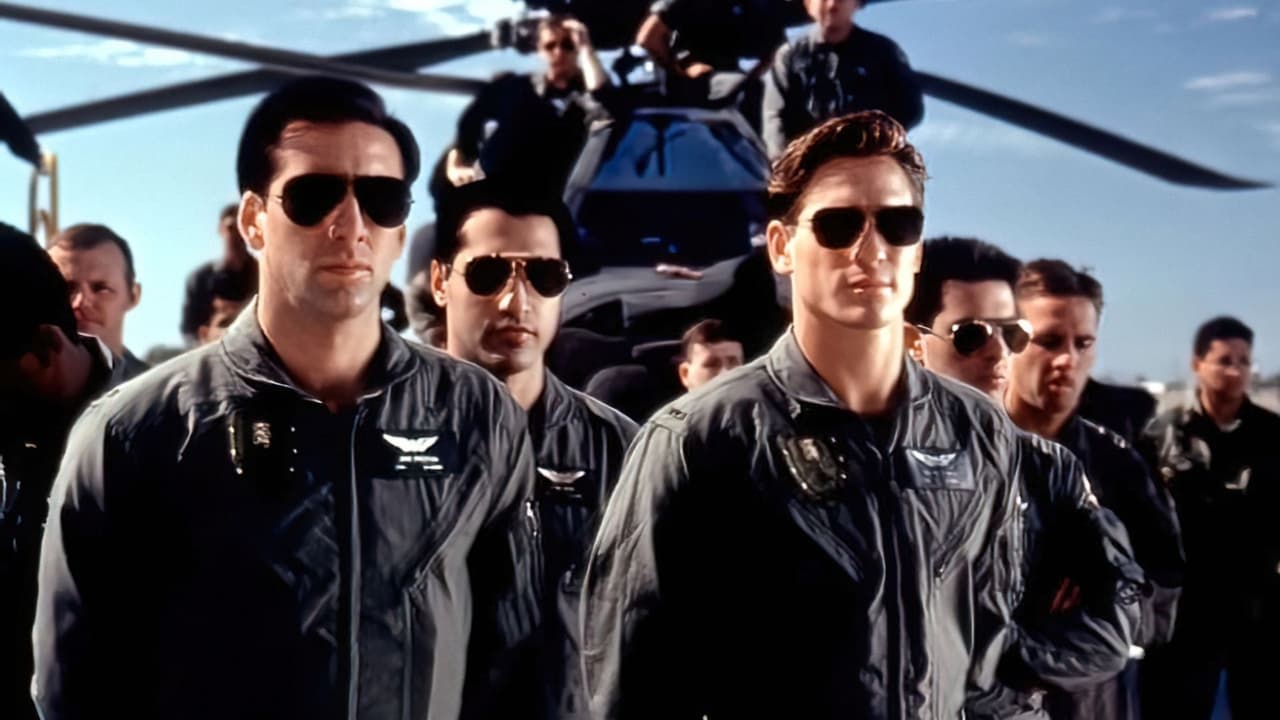
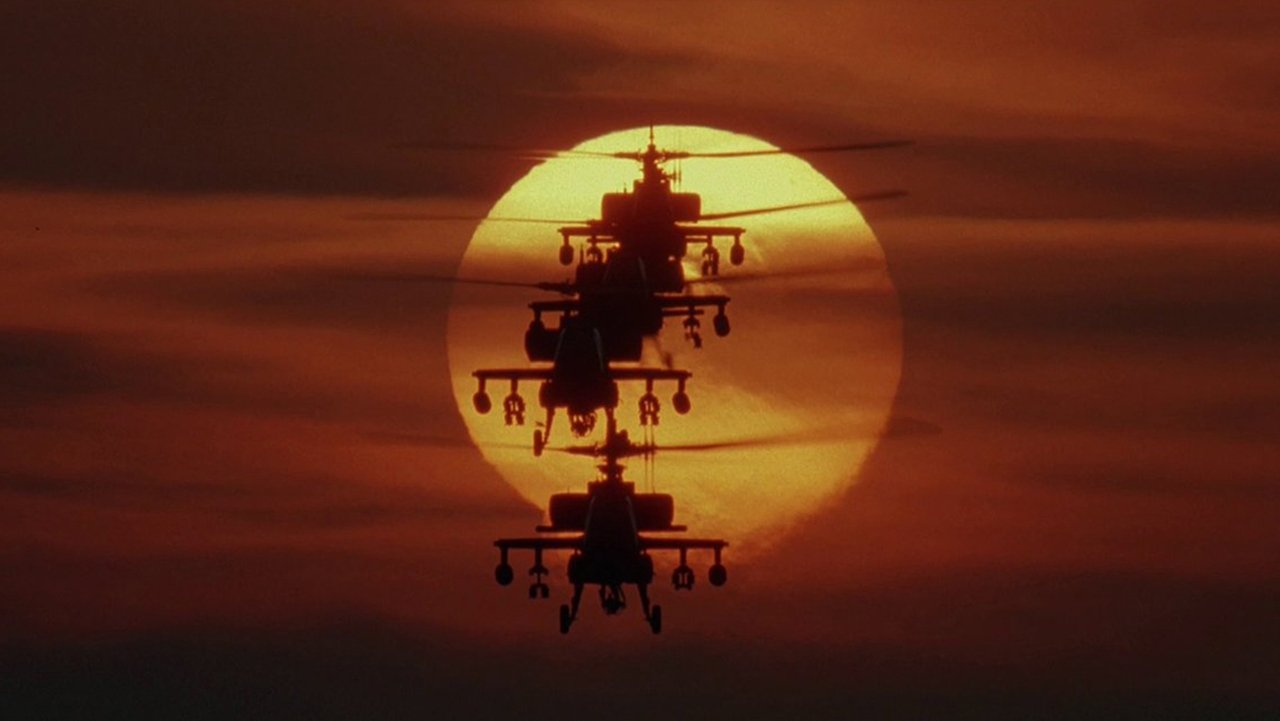
It's a familiar setup, directed by David Green (who also gave us the Phil Collins vehicle Buster a couple of years prior), but the real star here isn't necessarily the human cast – it's the hardware. Fire Birds was made with extensive cooperation from the U.S. Army, filmed largely at Fort Hood, Texas, and Tucson, Arizona. Forget CGI swarms; this movie puts real, menacing AH-64 Apaches front and center. You feel the weight and power of these machines as they bank, hover, and unleash ordnance.
### Grounded Grit, Lofty Explosions
Let's talk about that action. This is where Fire Birds earns its stripes, especially viewed through our VHS-tinted goggles. The aerial combat sequences, while perhaps not as slickly choreographed as its famous fixed-wing predecessor, possess a tangible grit. When helicopters explode, they really explode – practical fireballs bloom across the screen, debris feels physical, not digital. Remember how real those bullet hits looked sparking off metal back then? The low-level flying sequences, skimming over desert terrain, still have a visceral quality that relied on skilled stunt pilots pushing the envelope, not just keyframes. This commitment to practical effects is the film’s strongest asset today. It’s that raw, unpolished feel – the slight camera shake, the glint of real sun on the canopy – that modern, smoother effects often lose.
A neat retro fun fact: the film was reportedly conceived partially as a showcase for the Apache helicopter itself, a fearsome piece of military tech that was relatively new and highly publicized at the time. The Army was keen to show off its capabilities, lending significant resources, including pilots and aircraft, to the production. It’s essentially a feature-length recruitment ad wrapped in a cartel-busting plot.
### Cage, Jones, and High-Altitude Attitude
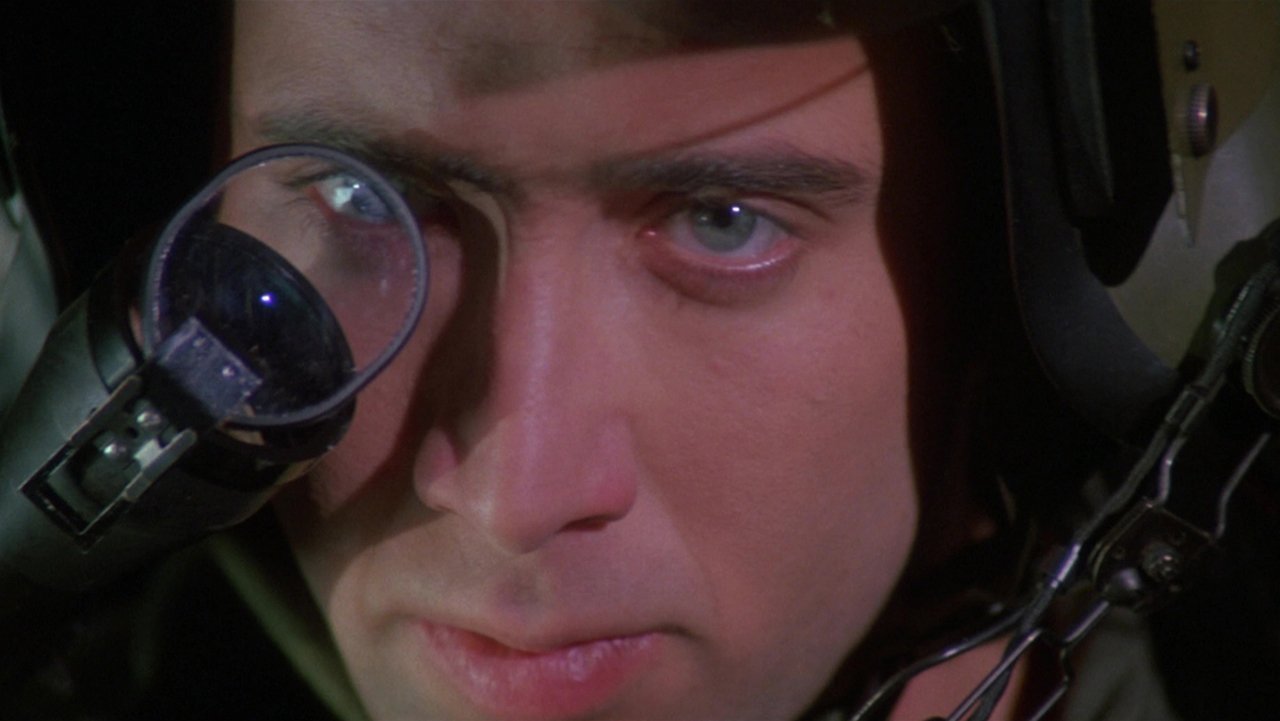
The performances are... memorable. This is early, pre-megastar Nicolas Cage, and his signature intensity is already simmering, occasionally boiling over into the slightly unhinged energy we'd come to know and love (or be bewildered by). His Jake Preston is all swagger and simmering insecurity, delivering lines with a earnestness that sometimes tips into unintentional comedy. It's fascinating to watch.
Grounding the film is the ever-reliable Tommy Lee Jones. Even in a fairly standard gruff mentor role, Jones brings a weary authority and deadpan wit that elevates the material. His interactions with Cage provide some of the film's better moments, the classic clash between reckless youth and seasoned experience. Sean Young, meanwhile, does her best with a somewhat underwritten role, holding her own against the testosterone-fueled backdrop. This was during a tumultuous period in her career, but she brings a necessary presence to the flyboy dynamics.
Despite the star power and impressive hardware, Fire Birds didn't exactly set the box office ablaze. On a budget of around $22 million, it pulled in just under $15 million domestically – a certified flop. Critics weren't kind either, often dismissing it as a derivative Top Gun clone lacking the charisma and polish of the original. And honestly? They weren't entirely wrong. The script, credited to Nick Thiel and Paul F. Edwards, hits predictable beats, the dialogue occasionally clunks, and the central romance feels more obligatory than organic.
### Still Worth Firing Up the VCR?
So, decades later, popping this tape in (or, okay, streaming it), how does Fire Birds hold up? It’s undeniably dated, a product of its specific moment in action filmmaking. The plot is thin, the characters are archetypes, and Cage’s performance walks a tightrope between compelling and baffling. Yet... there's an undeniable charm here for the VHS Heaven crowd. It’s the commitment to practical effects, the sheer spectacle of those Apaches tearing through the sky, the nostalgic pull of its straightforward, jingoistic action narrative. It has that specific, slightly fuzzy, late-night-movie-watching energy.
It might not be high art, or even top-tier action, but it’s a fascinating snapshot of early 90s blockbuster aspirations, fueled by military hardware and star power on the rise.
VHS Heaven Rating: 5/10
Justification: The score reflects the film's significant flaws – a derivative script, uneven performances, and general clunkiness. However, it gets points for the genuinely impressive practical helicopter action, the awesome presence of the Apaches, Tommy Lee Jones's solid performance, and its undeniable value as a specific type of early 90s VHS-era artifact. It delivers on the hardware spectacle, even if the story sputters.
Final Rewind: Fire Birds may fly low in the critical rankings, but for a dose of pure, unadulterated, Apache-fueled 90s action with gloriously real explosions and a vintage Cage performance, it’s a rental definitely worth remembering, even if just for the sheer audacity of trying to make helicopters the new fighter jets. Sometimes, you just gotta appreciate the loud bangs and the whirlybirds.