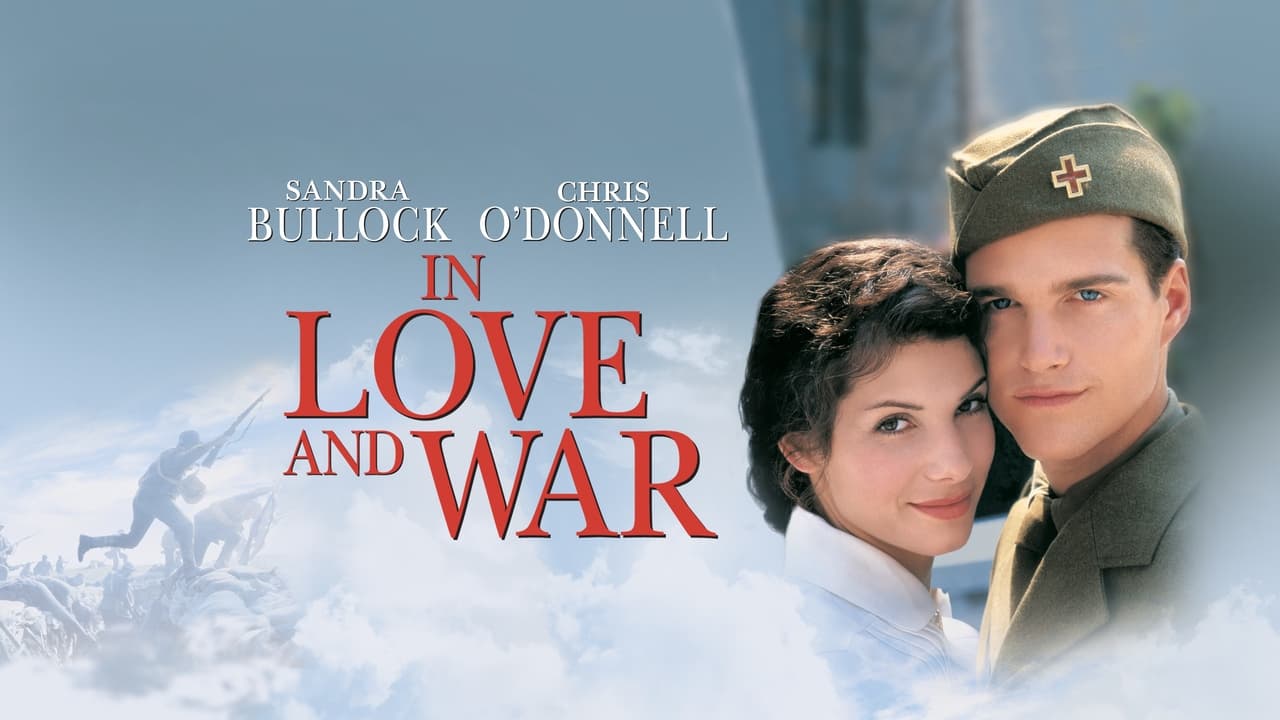
Okay, settle in and adjust the tracking on this one. Remember finding certain VHS tapes on the rental shelf, maybe tucked between the big action hits or the guaranteed comedy rentals, that felt… different? They often had big stars, a respected director, and a serious, historical premise. Richard Attenborough’s In Love and War (1996) was exactly that kind of tape – promising prestige, romance, and a glimpse into the past, starring two of the decade's brightest young stars. Pulling it off the shelf felt like opting for something substantial, something important. But does the substance match the promise, especially looking back through the lens of time?
### Facing a Legend, Young and Untested
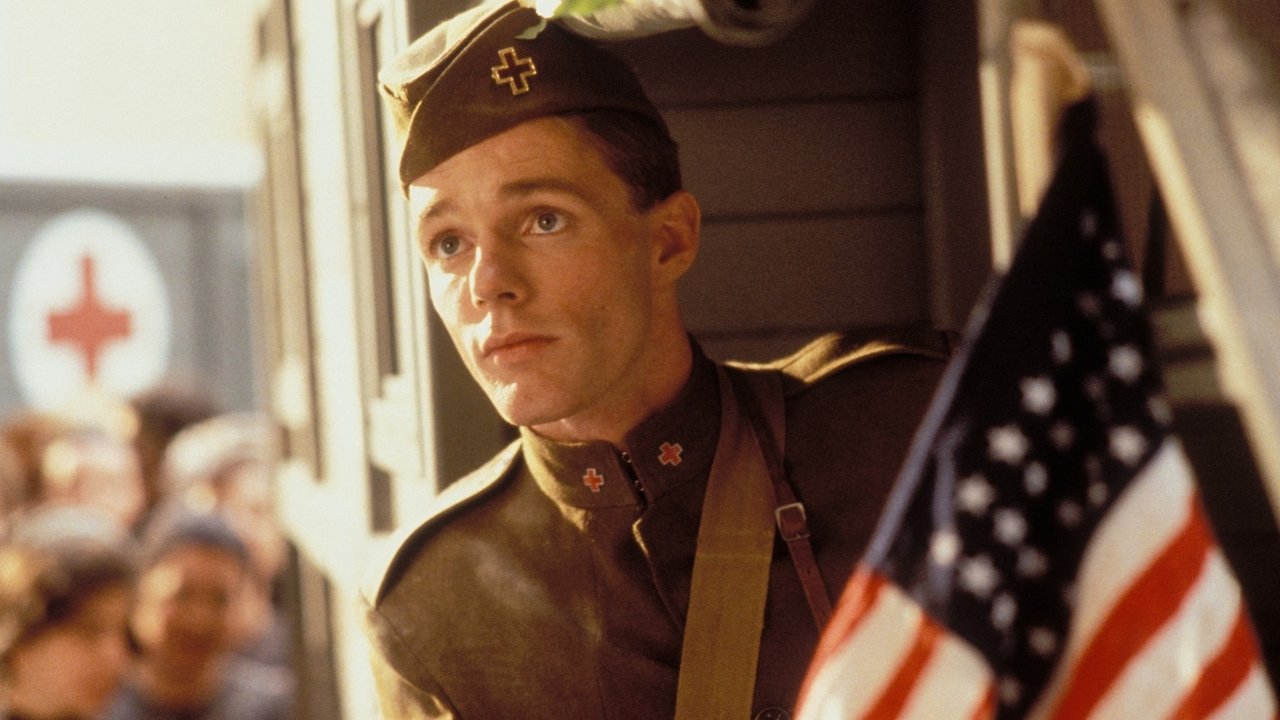
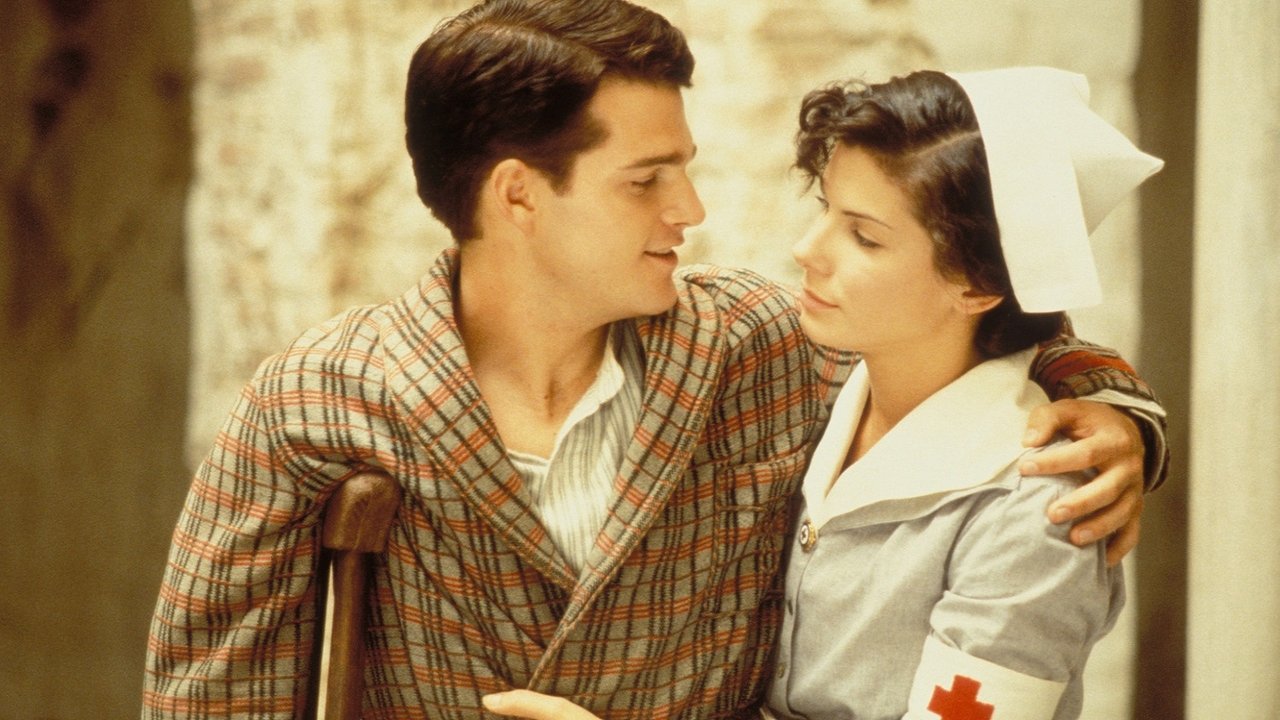
Tackling the early life of Ernest Hemingway is no small feat. How do you capture the nascent energy of a literary giant before the world knew his name? The film casts Chris O'Donnell, then riding high off roles like Robin in Batman Forever (1995), as the ambitious 18-year-old Hemingway, eager for adventure and finding himself driving an ambulance on the Italian front during World War I. It’s based on the book Hemingway in Love and War by Henry S. Villard and James Nagel, documenting his real-life wounding and subsequent affair with his nurse, Agnes von Kurowsky. The film immediately sets itself a difficult task: portraying the bravado and vulnerability of a young man who would become synonymous with a certain kind of rugged masculinity, all while navigating the horrors of war and the intensity of first love. O'Donnell certainly looks the part of eager youth, but capturing that specific Hemingway spark proves elusive. There are flashes of the writer's documented charm and arrogance, but often the performance feels constrained, perhaps by the script or the sheer weight of the figure he's embodying. Does he fully convince us this is the man who would later write A Farewell to Arms, a novel deeply influenced by these very experiences? The question lingers.
### America's Sweetheart on the Front Lines
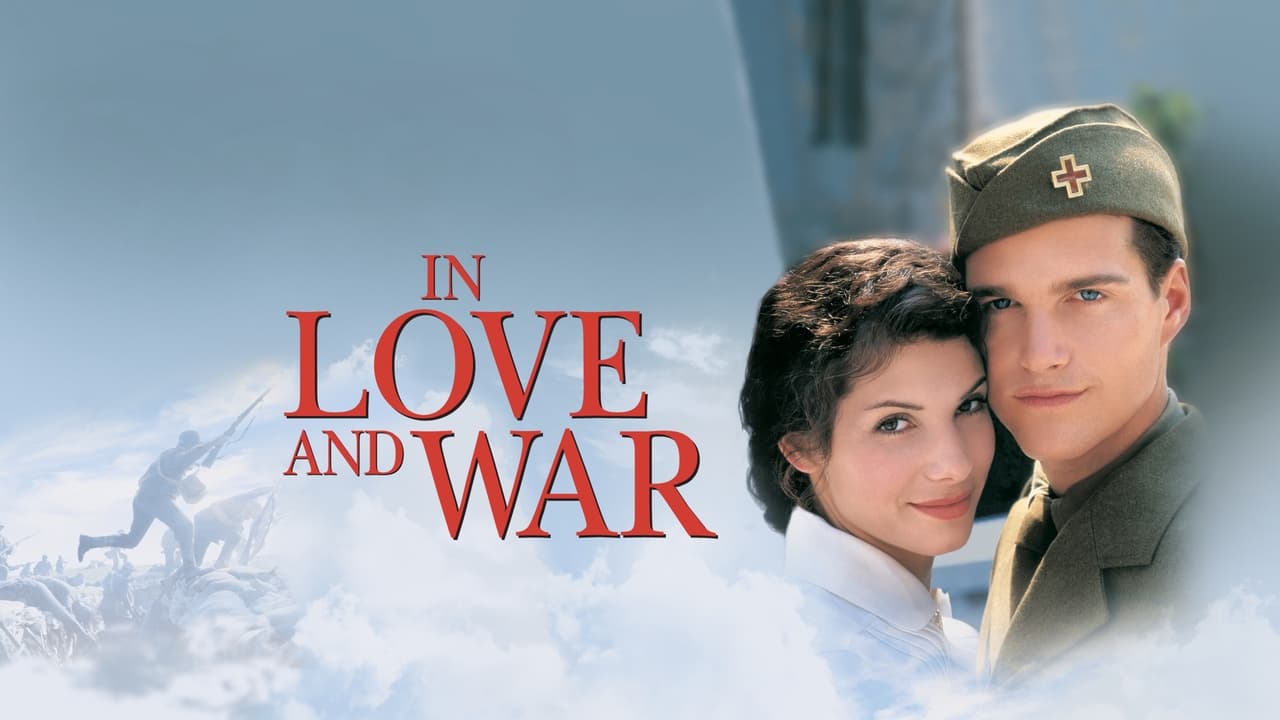
Opposite O’Donnell is Sandra Bullock as Agnes von Kurowsky, the American Red Cross nurse who tends to Hemingway's wounds and captures his heart. Bullock, in 1996, was arguably at the zenith of her mid-90s stardom, fresh off the massive successes of Speed (1994) and While You Were Sleeping (1995). Seeing her in the starched whites of a WWI nurse is initially jarring; her innate contemporary charisma, that familiar mix of pluck and vulnerability that made her America's sweetheart, feels slightly anachronistic against the meticulously recreated period backdrop. She brings warmth and sincerity to Agnes, portraying her as a capable professional wrestling with her duty and her growing affection for her charming, younger patient. Yet, the chemistry between Bullock and O'Donnell, so crucial for a film titled In Love and War, feels somewhat muted. There are moments of connection, certainly, but the passionate, life-altering affair described in Hemingway's biography (and fictionalized in his novel) doesn't quite ignite the screen with the intensity one might expect. It feels… pleasant, rather than profound.
### Attenborough's Epic Eye on an Intimate Story
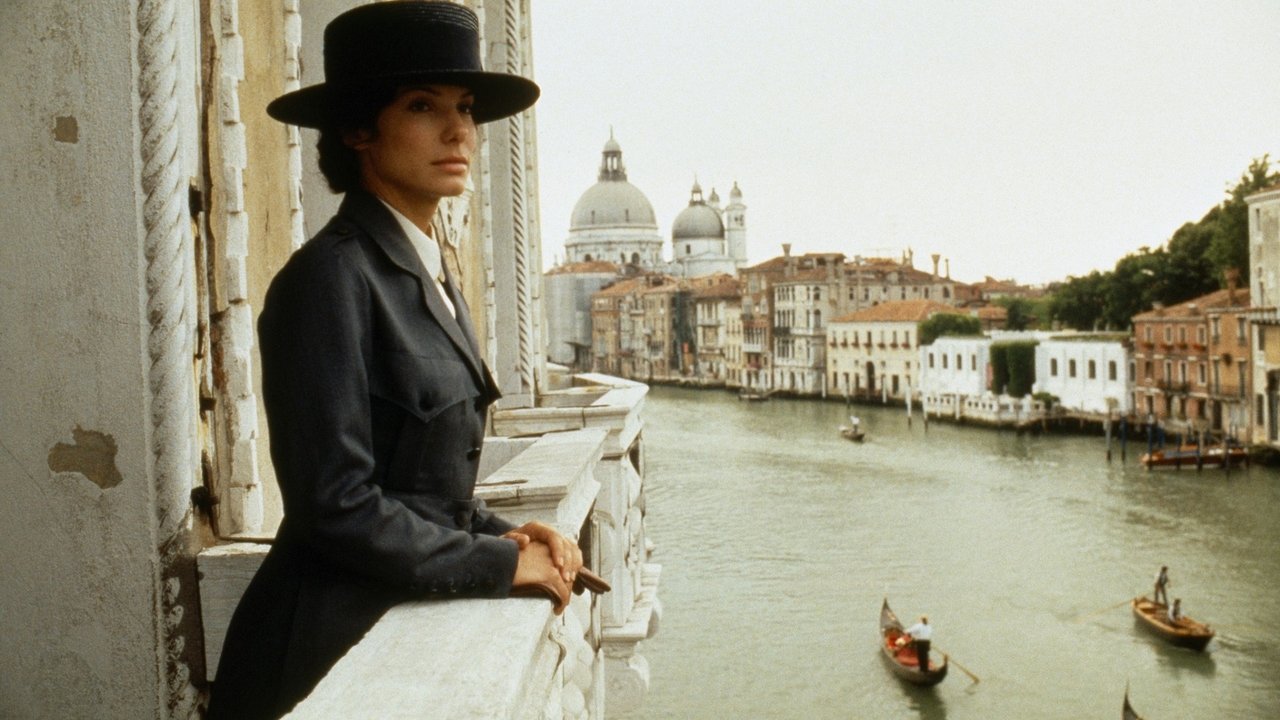
Helming this story is Lord Richard Attenborough, a director revered for his sprawling, earnest biopics like Gandhi (1982) and Chaplin (1992). His touch is evident in the film's handsome production design and the authentic feel of its locations, much of it shot beautifully on location in Italy (including Venice and Vittorio Veneto, near the actual historical events) and the UK. You can see the care taken to recreate the era, from the muddy trenches to the bustling field hospitals. Attenborough brings a certain classical sensibility, a seriousness of purpose. However, one wonders if his penchant for the grand sweep sometimes overshadows the intimate core of this particular story. The focus is squarely on the romance, yet the film occasionally feels like it’s straining for an epic quality that the central relationship, as portrayed, doesn't quite support.
### Echoes in the Snow: Behind the Romance
It’s fascinating to remember this film as a significant studio picture banking on its stars and director. Despite a hefty budget (reportedly around $40 million – a significant sum in '96, maybe closer to $78 million today), In Love and War struggled to find an audience, ultimately grossing only about $25 million worldwide. Critics at the time were generally lukewarm, often pointing to the same issues: a lack of compelling chemistry and difficulty capturing the essence of Hemingway. Attenborough himself was said to be passionate about the project, seeing it as a story about the enduring power of love amidst chaos. Perhaps the source material, focusing on a specific, formative, and ultimately heartbreaking episode, resists easy dramatization. The real Agnes von Kurowsky was seven years Hemingway's senior and ultimately broke off their engagement – a rejection often cited as profoundly impacting Hemingway's psyche and his relationships with women, themes subtly hinted at but perhaps not fully explored here. Knowing this historical context adds a layer of poignant irony to the on-screen romance.
### Does the Tape Still Play?
Watching In Love and War today feels like revisiting a particular moment in mid-90s cinema. It’s an artifact of a time when star power could launch ambitious period dramas, even if the results were mixed. The film is earnest, well-intentioned, and visually quite lovely. Attenborough crafts moments of genuine atmosphere, particularly in the depiction of the war's grim reality and the idyllic Italian settings. Yet, it never quite transcends its respectful approach to become truly moving or insightful. O'Donnell and Bullock are appealing performers, but they feel somewhat miscast or perhaps underserved by a script that doesn't fully crack the complexities of their real-life counterparts. It remains a curious entry in the filmographies of all involved – a handsome, slightly melancholic romance that aimed for significance but landed somewhere quieter. It’s the kind of film you might have rented on a quiet Tuesday night, hoping for something profound, and found something… nice.
Rating: 5/10
The score reflects a film that is technically proficient, features committed performances from its leads, and boasts the respectable craftsmanship of its director, but ultimately falls short of its ambitious goals. The central romance lacks the necessary spark, and the portrayal of the young Hemingway feels somewhat superficial. It's a perfectly watchable period piece, but it rarely achieves the emotional depth or historical insight it seems to be striving for.
Final Thought: In Love and War serves as a reminder that even with immense talent on both sides of the camera and a compelling true story, capturing the lightning-in-a-bottle of iconic figures and transformative love remains one of cinema's greatest challenges. A respectable effort, but ultimately a footnote rather than a defining chapter for those involved.