Okay, pull up a chair, maybe pour yourself something comforting. We're stepping slightly outside the usual neon glow of the 80s and Day-Glo splashes of the 90s today, right to the cusp of the new millennium with Terence Davies' devastatingly beautiful adaptation of Edith Wharton's The House of Mirth (2000). Now, I know what you might be thinking – 2000? That's DVD territory! But bear with me. This film possesses a timeless quality, a classical weight that feels spiritually akin to the kind of prestige dramas we might have unearthed on a dusty VHS shelf, perhaps nestled between a Merchant Ivory production and something unexpectedly darker. Finding it felt like discovering a hidden treasure, a stark contrast to the usual blockbuster fare, and its impact lingers just as profoundly.
### The Gilded Cage and the Woman Within
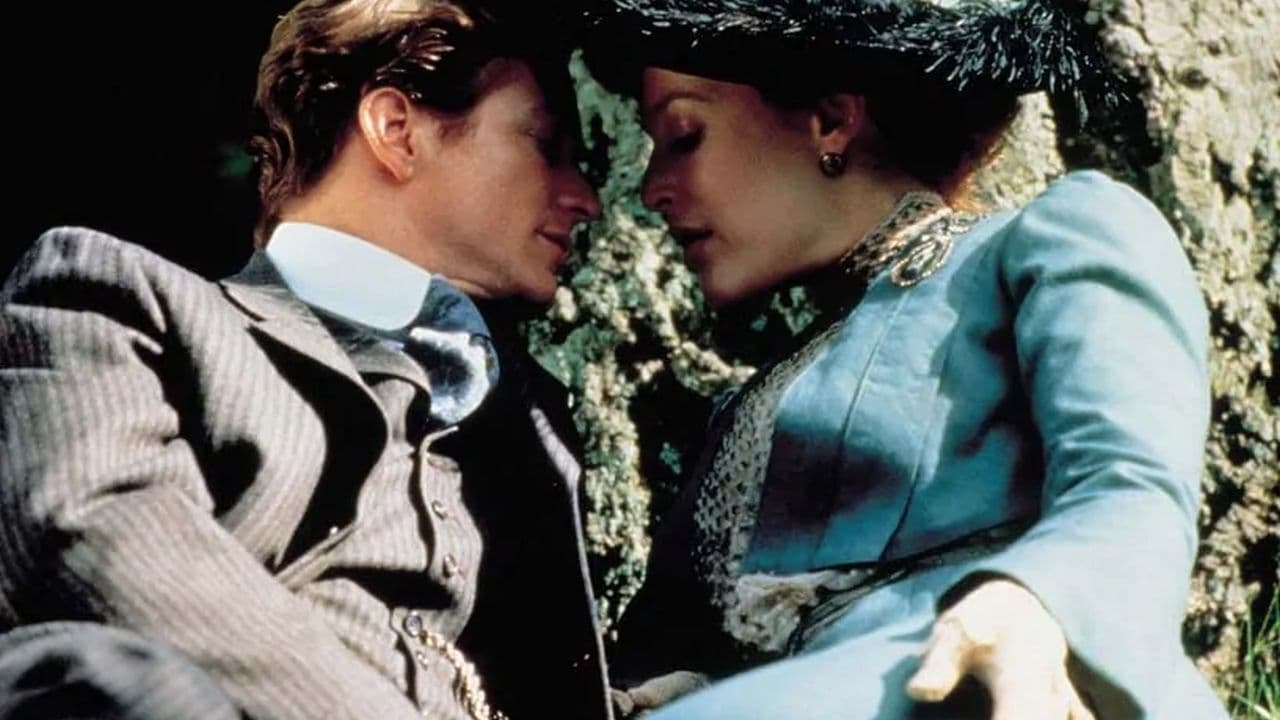
The film plunges us into the opulent, yet rigidly structured world of New York high society at the turn of the 20th century. It's a world captured by Davies not just with an eye for period detail – the costumes and settings are indeed exquisite – but with a palpable sense of its suffocating constraints. We follow Lily Bart, a woman of beauty, intelligence, and charm, but crucially, without independent wealth. Her very existence depends on navigating a treacherous social landscape, securing a advantageous marriage before her youth and desirability fade. It's a premise Wharton crafted with scalpel-like precision in her 1905 novel, and Davies translates its quiet horror onto the screen with heartbreaking fidelity. There's a beauty here, yes, but it’s the cold, hard beauty of a perfectly constructed trap.
### Gillian Anderson's Defining Performance
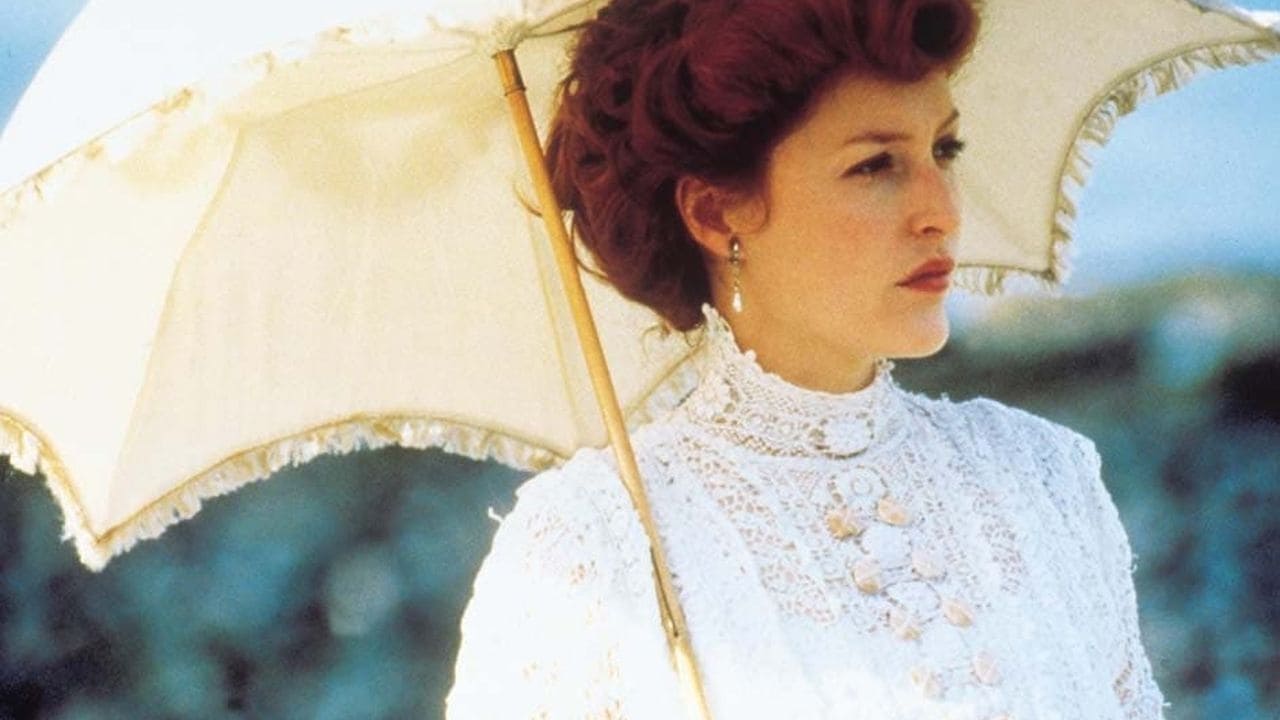
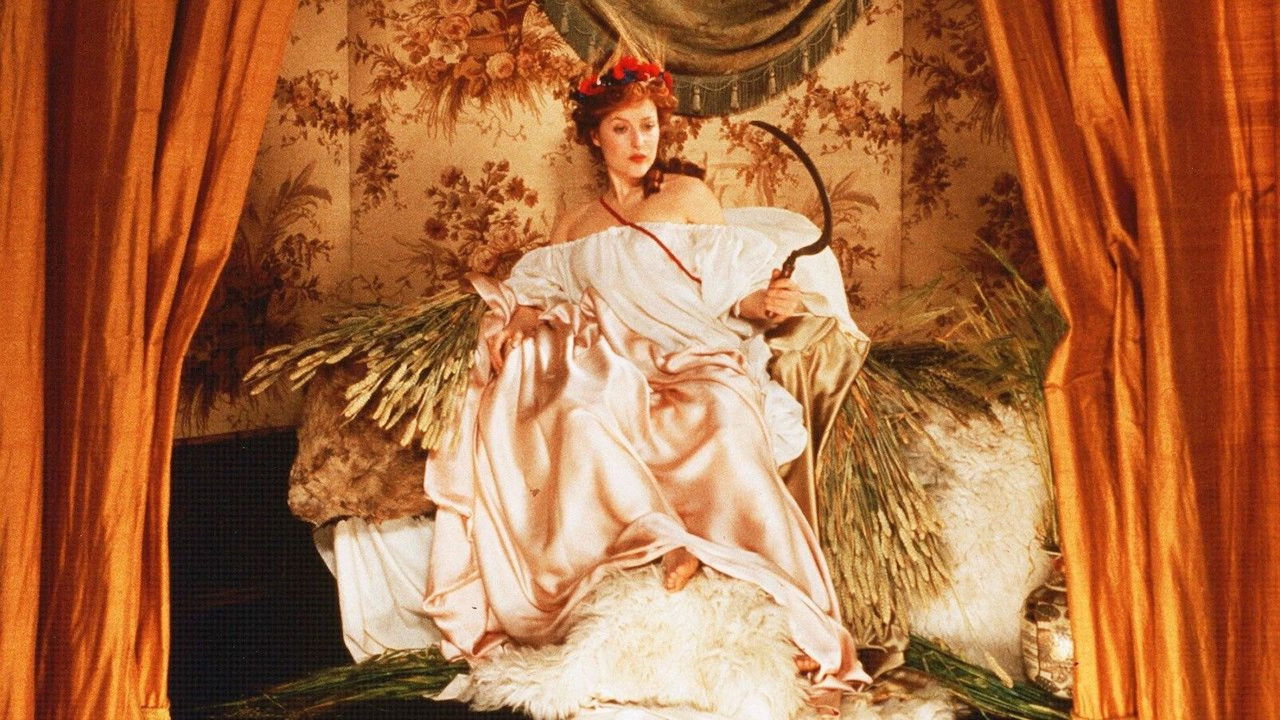
At the heart of this tragedy lies a truly remarkable performance by Gillian Anderson. Many of us knew her almost exclusively as Agent Scully from The X-Files, the pragmatic skeptic grounding fantastical tales week after week on our CRT screens. Seeing her transform into Lily Bart was, frankly, astonishing. Anderson sheds every trace of Scully, embodying Lily's desperate hope, her flawed judgments, her moments of vanity, and ultimately, her crushing vulnerability. It’s a performance built on nuance – a fleeting expression, a subtle shift in posture, the weight of unspoken despair in her eyes. She is Lily, trapped by societal expectations and her own inability to fully compromise her integrity, even when survival demands it. There were whispers at the time about the gamble of casting an actress so strongly associated with a sci-fi TV icon in such a demanding period role. Watching the film, however, makes it clear: it wasn't a gamble, it was an inspired choice. Anderson reportedly pursued the role relentlessly, seeing in Lily a depth she was eager to explore, and her dedication shines through in every frame.
### A World of Quiet Compromises
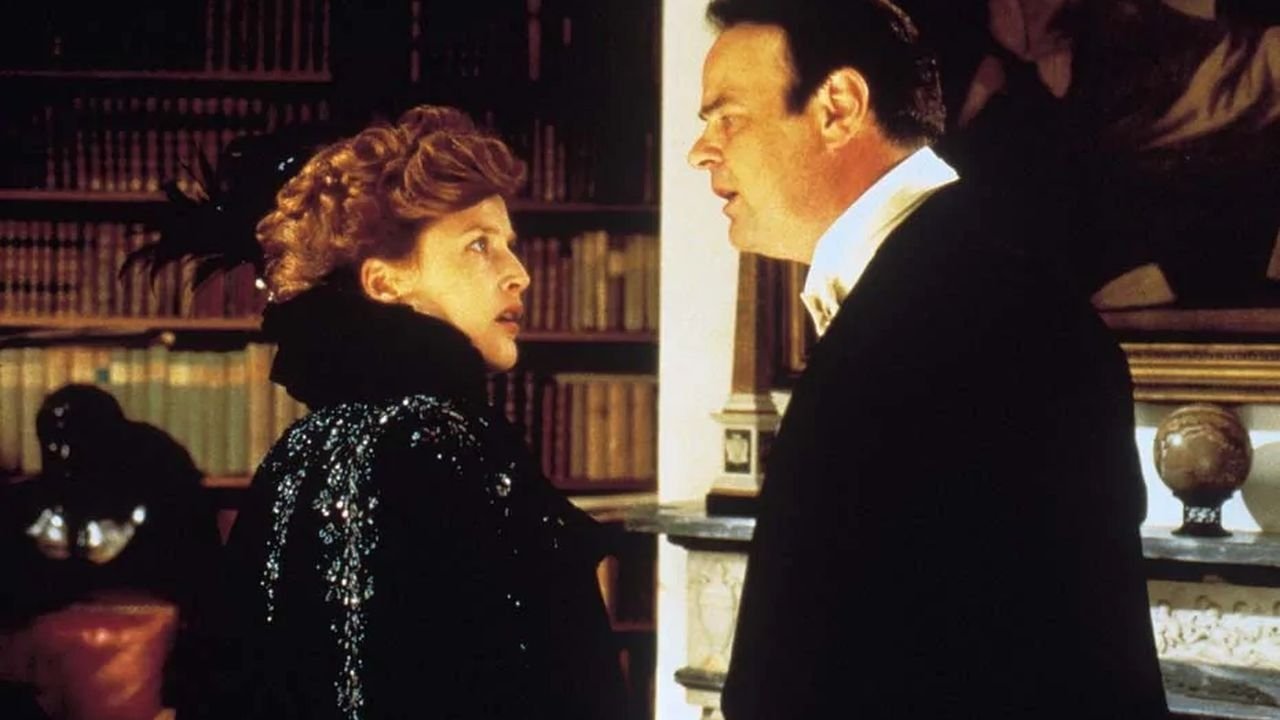
The supporting cast effectively orbits Anderson's luminous tragedy. Eric Stoltz, a familiar face from many 80s and 90s staples (Some Kind of Wonderful, Pulp Fiction), brings a gentle melancholy to Lawrence Selden, the man who perhaps truly understands Lily but is himself too bound by convention (and perhaps his own limitations) to save her. And then there’s Dan Aykroyd, stepping far away from his iconic comedic roles (Ghostbusters, Trading Places). As the coarse, wealthy Gus Trenor, Aykroyd is surprisingly effective, embodying the predatory nature lurking beneath the veneer of polite society. His presence adds a layer of uncomfortable realism to the threats Lily faces. The interactions between these characters highlight the intricate, often cruel, web of obligations, gossip, and financial dependency that defined this world.
### The Artistry of Entrapment
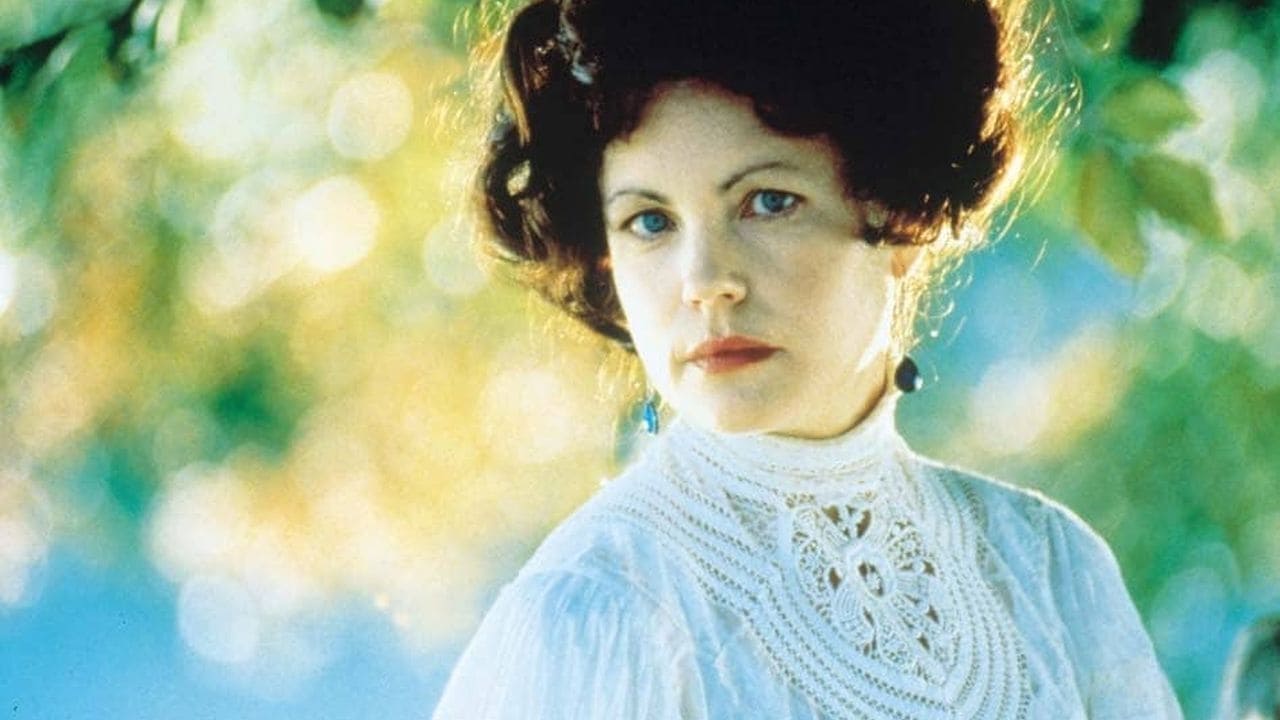
Terence Davies, known for his visually meticulous and emotionally resonant films like Distant Voices, Still Lives (1988), directs with a painterly hand. The compositions are often stunning, framing Lily against opulent interiors that somehow emphasize her isolation. Davies employs slow dissolves and a deliberate pace, allowing the weight of Lily’s situation to settle upon the viewer. This isn't a film that rushes; it immerses you in Lily's increasingly desperate reality. Reportedly filmed largely in Glasgow, Scotland, standing in for turn-of-the-century New York due to budget constraints (around $10 million, a modest sum for such a lavish-looking production), the crew achieved a remarkable sense of place. This careful crafting – the cinematography, the score, the almost suffocating quietude at times – all contribute to the film's powerful atmosphere of impending doom.
### A Classic Discovered Just Past the Tape Era
Why talk about a 2000 film on "VHS Heaven"? Because The House of Mirth feels like a spiritual successor to the great literary adaptations and character studies that formed a vital part of the video store experience. It’s the kind of film you might have rented on a whim, seeking something deeper after a weekend of action flicks, and found yourself utterly captivated by its artistry and emotional depth. It reminds us that powerful storytelling transcends format fads. It’s a film that demands attention, rewards patience, and leaves an indelible mark. Watching it again recently, I was struck by how its critique of societal pressures, particularly on women, still resonates. Have the cages changed shape, perhaps, but have they truly disappeared?
Rating: 9/10
This near-perfect score is earned primarily through Gillian Anderson's career-defining performance and Terence Davies' masterful, atmospheric direction. The film is a visually stunning, emotionally devastating, and incredibly faithful adaptation of a literary classic. Its deliberate pacing might test some viewers accustomed to faster narratives, but for those willing to immerse themselves, the payoff is profound. It’s a haunting exploration of beauty, status, and the price of integrity in a world that values neither.
Final Thought: The House of Mirth doesn't offer easy comforts; it leaves you contemplating the quiet tragedies that unfold when societal expectations clash with the human spirit, a feeling that lingers long after the credits roll.