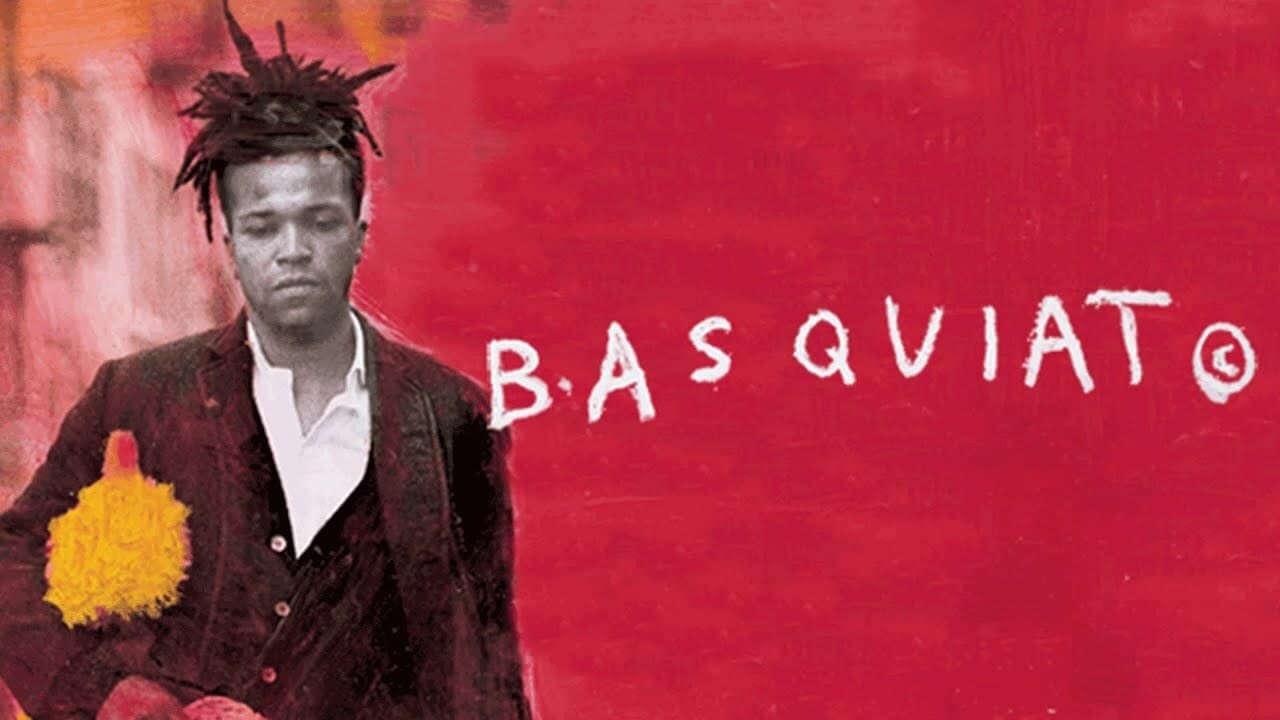
There's a particular kind of quiet that descends after watching certain films, a stillness charged with the energy of what you've just witnessed. Basquiat (1996) often leaves me in that state. It’s not just a biopic; it feels more like catching fragments of a vibrant, troubled dream, an attempt by one artist, Julian Schnabel, to grasp the flickering candle flame of another, Jean-Michel Basquiat. Pulling this tape from the shelf back in the day felt different – heavier, somehow, than the usual action or comedy fare. You sensed it wasn’t going to be an easy ride, but compelling? Absolutely.

A Life Painted in Bold Strokes
The film throws us headfirst into the dizzying ascent of Jean-Michel Basquiat, portrayed with astonishing depth and vulnerability by Jeffrey Wright in what remains a landmark debut performance. From his days scrawling poetic graffiti as SAMO© on downtown New York walls, living in a cardboard box in Tompkins Square Park, to his meteoric rise in the high-stakes, high-gloss art world of the 1980s, the film captures the whirlwind. Schnabel, himself a major figure in that very scene, doesn't just chronicle events; he attempts to immerse us in the feeling of that era – the raw energy, the sudden fame, the creeping shadows of exploitation and addiction. Wright embodies this contradiction beautifully; his Basquiat is shy yet fiercely intelligent, magnetically charismatic but profoundly fragile, his eyes conveying oceans of thought and pain even in silence. It's a performance that doesn't just mimic; it inhabits.
Through an Artist's Lens

Schnabel's direction is undeniably subjective. How could it not be? He knew Basquiat, moved in the same circles, even appeared as a character (played by Gary Oldman as the fictionalized "Albert Milo"). This closeness is both the film's strength and its potential weakness. It allows for an intimate, visually rich portrayal; Schnabel understands the textures, the light, the sheer physical presence of art creation. There's a fascinating anecdote that Schnabel painted the large-scale works seen as Basquiat’s paintings in the film himself, unable to secure rights for many originals, further blurring the lines between director, subject, and creator. Yet, this proximity also means the narrative perspective feels distinctly Schnabel's. Are we seeing Basquiat purely, or Basquiat through the filter of a contemporary, sometimes rival, artist reflecting on a shared, complex history? It’s a question that lingers, adding another layer to the viewing experience.
A Constellation of Cameos
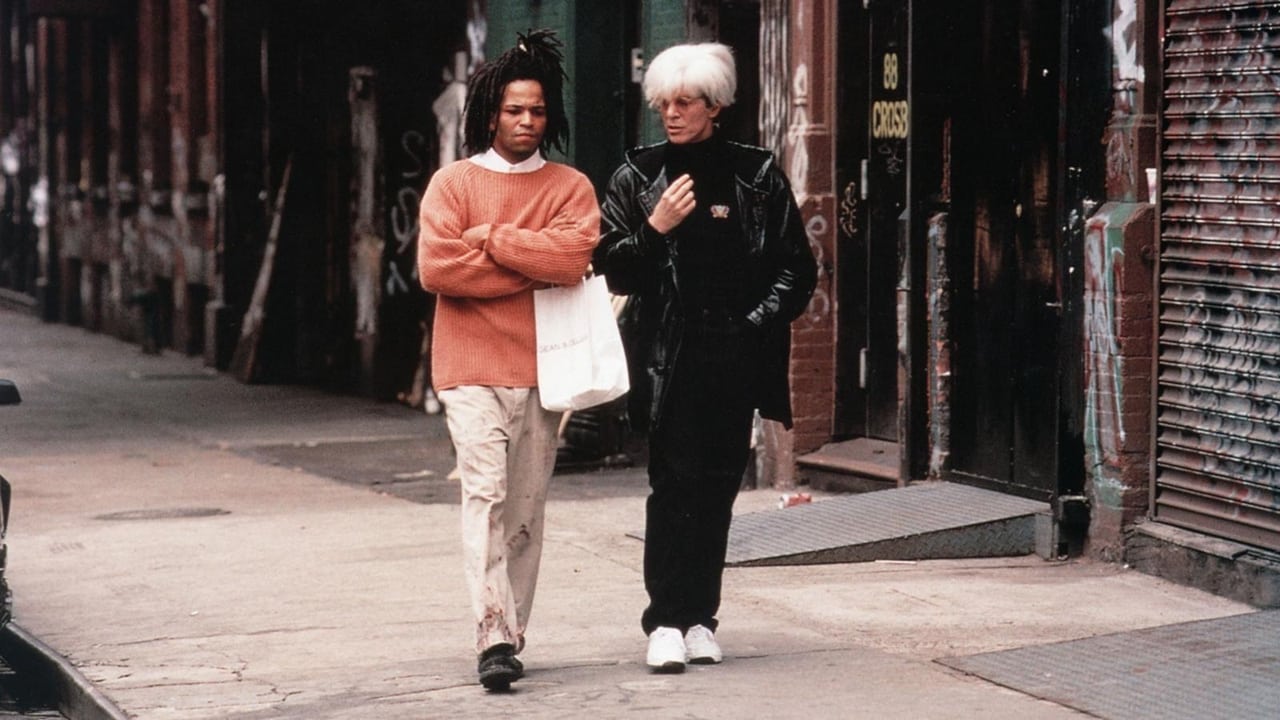
Surrounding Wright's central sun is a galaxy of incredible actors embodying the figures who populated Basquiat's universe. David Bowie is nothing short of uncanny as Andy Warhol. It’s more than just imitation; Bowie captures Warhol’s peculiar blend of detached curiosity and surprising warmth. A little piece of trivia often shared is that Bowie wore Warhol's actual silver wig and glasses for the role, lent to him by the Warhol Museum, adding a layer of almost ghostly authenticity. Benicio Del Toro crackles with energy as Benny Dalmau, Basquiat's loyal but troubled friend. Dennis Hopper brings his trademark intensity to Swiss art dealer Bruno Bischofberger, while Michael Wincott offers a perfectly cynical, scene-stealing turn as the influential critic Rene Ricard. Even brief appearances by Christopher Walken as an unnerving interviewer and Willem Dafoe as a struggling artist resonate. This ensemble doesn't just support Wright; they create the vibrant, often predatory ecosystem in which Basquiat thrived and, ultimately, struggled.

The Weight of the Crown
Beyond the dazzling art world chronicle, Basquiat probes darker themes. It forces us to consider the crushing weight of sudden fame, especially for a young Black artist navigating a predominantly white, often fetishizing art establishment. How much of the adulation was for the art, and how much for the exoticized image? The film touches on the commodification of genius, the transactional nature of relationships forged in the crucible of success, and the devastating spiral of addiction that ultimately consumed Basquiat at the tragically young age of 27. While Schnabel avoids overt preachiness, the melancholy is palpable, underscored by a superb soundtrack blending period-appropriate punk and new wave with poignant classical pieces and John Cale's evocative score. Does the film fully grapple with the ugliest aspects of exploitation or addiction? Perhaps not as deeply as some might wish, but it lays bare the vulnerability at the heart of the phenomenon.
A VHS Treasure Worth Rediscovering
Watching Basquiat on VHS back in the 90s felt like unearthing something precious and perhaps a little dangerous. It wasn't the easy escapism of a blockbuster; it demanded attention, provoked thought, and left you with a sense of profound sadness for a talent extinguished too soon. It wasn't a huge box office hit – earning back roughly its $3 million budget – solidifying its status as more of a cult discovery than a mainstream phenomenon. That feeling of discovery, of finding a film that aimed for art rather than just entertainment, was part of the magic of browsing those video store shelves.
Rating: 8/10
This score reflects the film's powerful central performance, its evocative atmosphere, and its unique perspective, anchored by Jeffrey Wright's unforgettable portrayal and David Bowie's remarkable turn as Warhol. Julian Schnabel's intimate, if subjective, direction offers a visually compelling glimpse into a specific time and place. While its narrative focus might feel filtered through Schnabel's own experience, and it perhaps softens some sharper edges of the story, Basquiat remains a deeply moving and visually arresting portrait of artistic genius and its burdens.
It's a film that stays with you, leaving you to ponder the ephemeral nature of fame, the true cost of creation, and the haunting question of what other masterpieces might have emerged from that brilliant, troubled mind.