Okay, fellow travelers through time and tape, settle in. While Remember the Titans technically hit screens in 2000, just as the shiny DVD was nudging our beloved VHS tapes off the rental store shelves, its heart beats with the kind of earnest, powerful storytelling that defined so many great dramas of the preceding decades. It feels like a film that belongs in the VHS Heaven library, doesn't it? Its themes are timeless, its performances resonant, and I bet more than a few of us first experienced it on a well-worn tape rented from Blockbuster or the local mom-and-pop shop. It arrived precisely at that cusp, a bridge between eras, carrying the weight of history and the rousing spirit of the best sports dramas.
What strikes you first, revisiting it now, isn't just the football. It's the thick, palpable tension of Alexandria, Virginia, in 1971. Director Boaz Yakin, perhaps better known then for the gritty indie Fresh (1994), masterfully establishes the simmering cauldron of forced high school integration. The film doesn't shy away from the ugliness – the slurs, the fear, the ingrained prejudice on both sides. It sets the stage not just for a football season, but for a crucible where character will be forged, shattered, and rebuilt.
Forging Unity in the Fires of Division
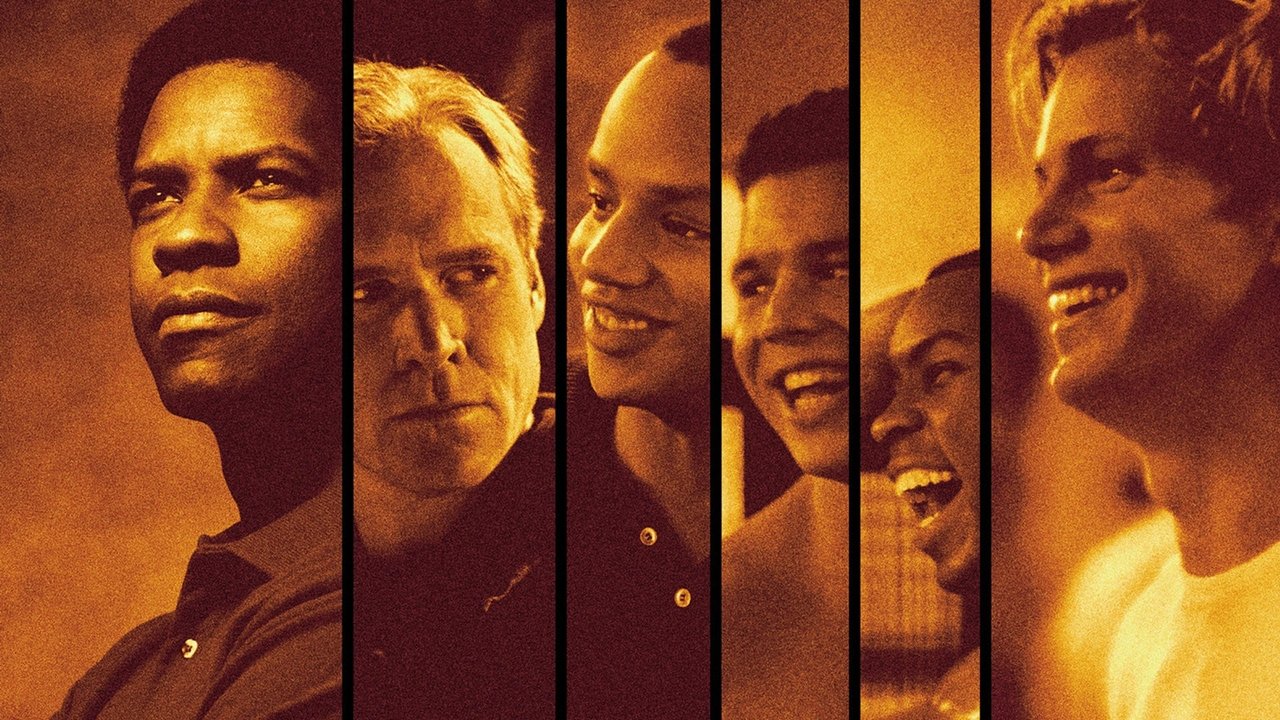
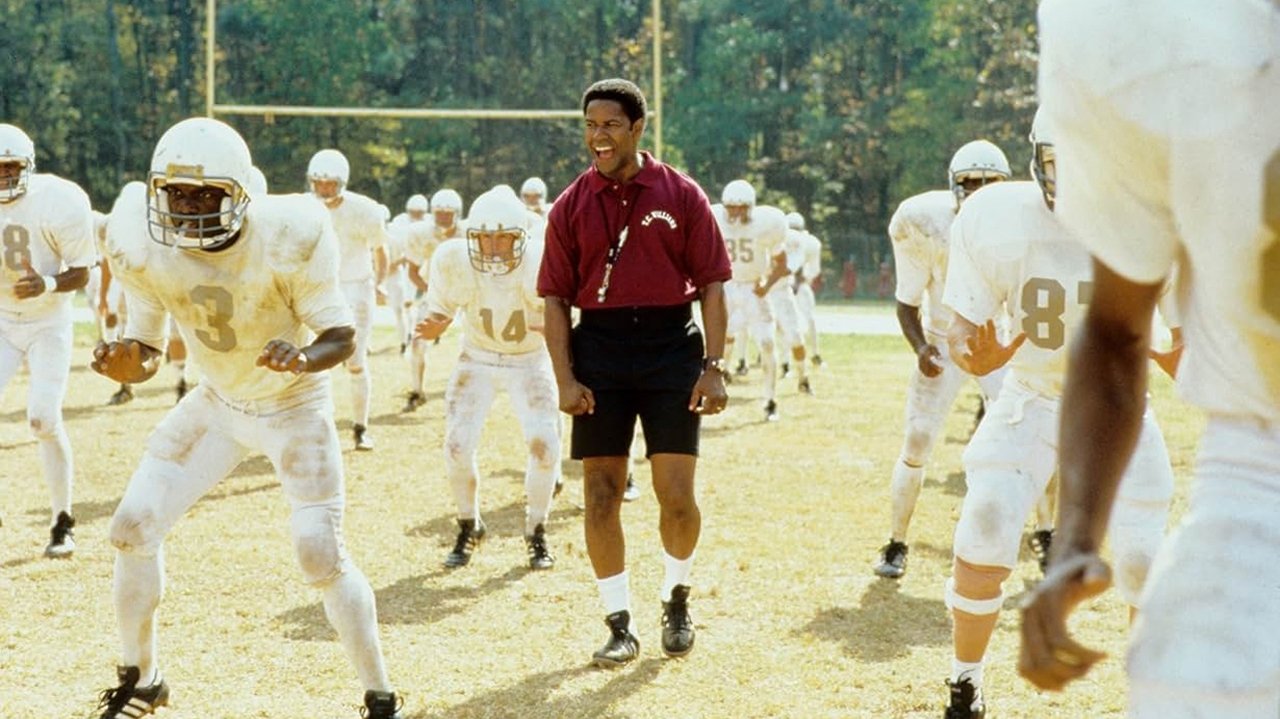
Into this charged atmosphere steps Herman Boone (Denzel Washington), assigned as head coach of the newly integrated T.C. Williams High School football team, controversially replacing the respected, locally beloved white coach, Bill Yoast (Will Patton). The dynamic between these two men forms the spine of the film. Washington, radiating quiet intensity and unwavering resolve, portrays Boone as a man demanding respect not just for himself, but for the principle of equality. His methods are harsh, pushing the team relentlessly at their grueling summer camp, forcing black and white players to room together, learn about each other, break down the walls brick by painful brick. It’s a performance of contained fire, perfectly judged.
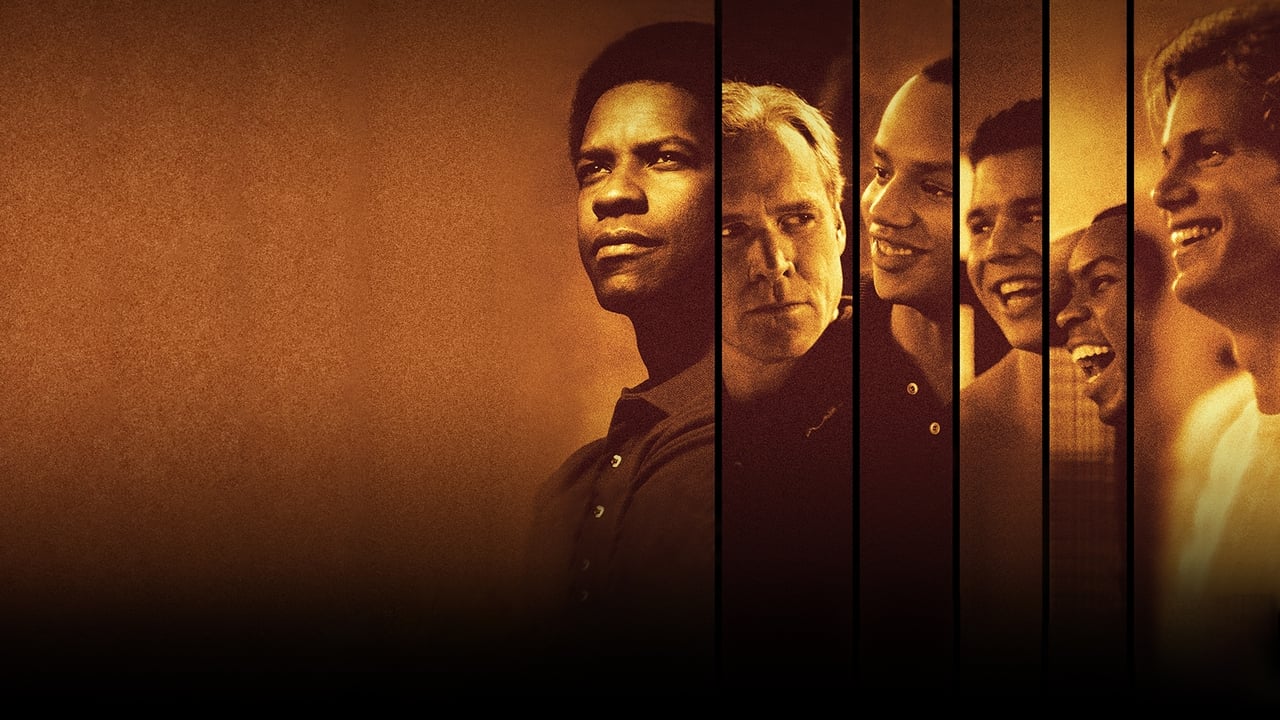
Equally compelling is Will Patton as Yoast. His journey from resentful displacement to grudging respect, and finally to genuine alliance and friendship with Boone, is handled with understated grace. Patton conveys the internal conflict, the slow erosion of prejudice in the face of shared purpose and Boone’s undeniable leadership, without resorting to melodrama. It feels authentic, earned. You see the struggle on his face, the moments of doubt warring with his inherent decency. It's a performance that anchors the film's emotional core as much as Washington's.
More Than Just a Game
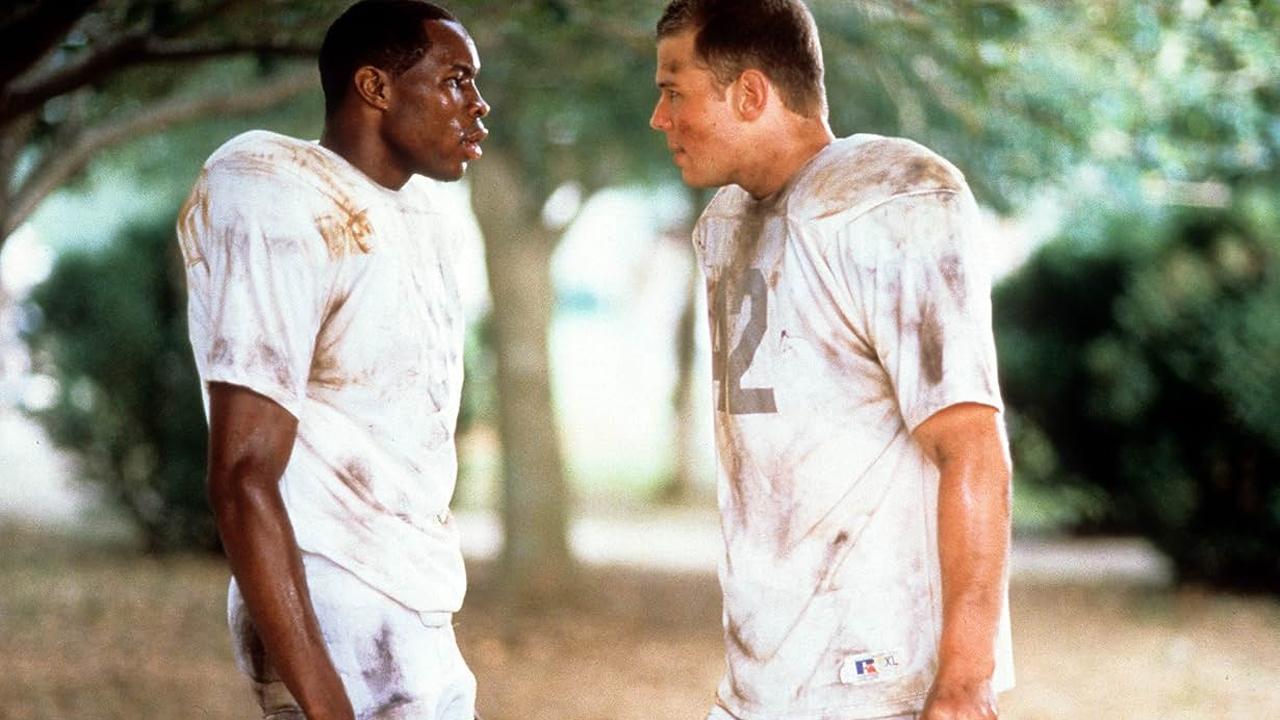
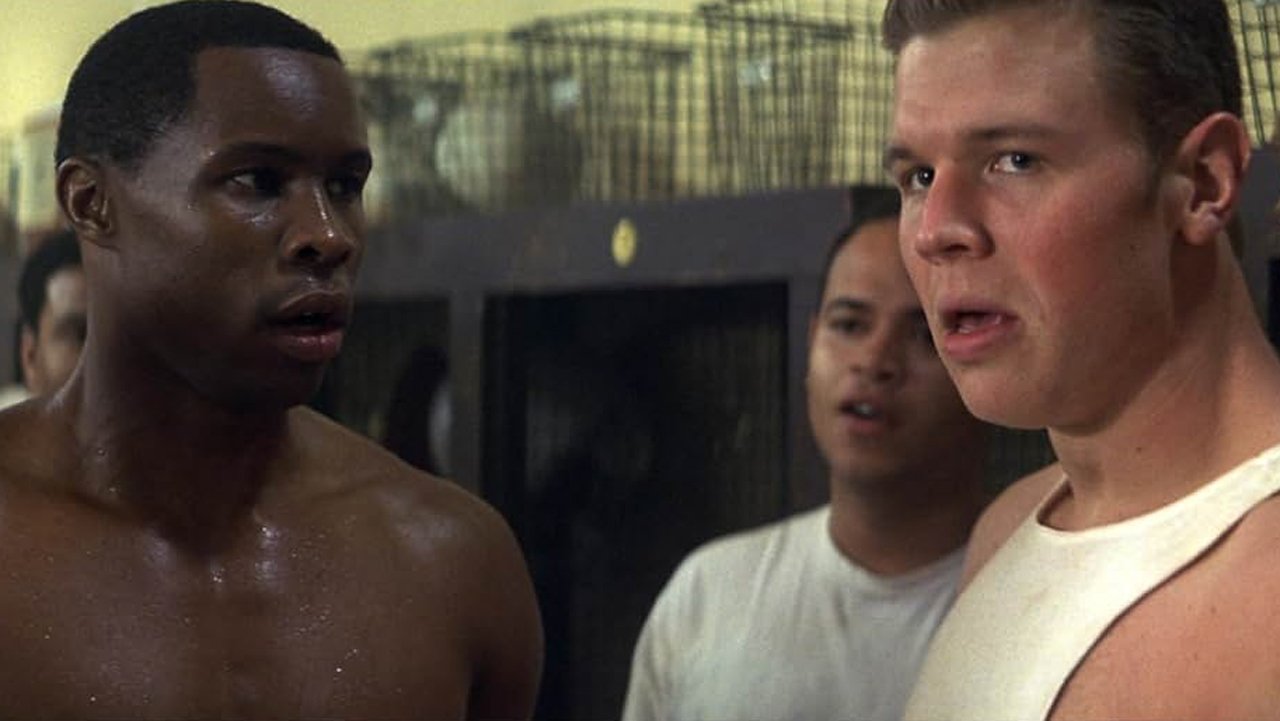
Of course, the heart of the team lies with the young players, and the film wisely focuses on the evolving relationship between team captains Gerry Bertier (Ryan Hurst), the initially skeptical white linebacker, and Julius Campbell (Wood Harris), the proud, talented black defensive end. Their journey from outright hostility ("You hydrophobic?" / "Just scared of you.") to a bond that transcends race is the film's most potent symbol of hope. Their clashes and eventual brotherhood feel genuine, thanks to the committed performances of Hurst and Harris. Watching them bridge the divide, player by player, argument by argument, shared laugh by shared laugh, remains deeply affecting.
Gregory Allen Howard's script, based on the true story, streamlines events for dramatic impact, as Hollywood often does. While some critics at the time noted the simplification of complex historical realities, the film's power lies in its focus on the possibility of change, the idea that shared struggle and a common goal (winning football games, in this case) can be a powerful catalyst for understanding. It’s an optimistic film, perhaps even idealistic, but its message resonates because it’s delivered with such conviction by the cast.
Retro Fun Facts: Behind the Titans' Lines
It’s interesting to note that the film was a solid performer, made for around $30 million and pulling in over $136 million worldwide – a testament to its crowd-pleasing appeal. Denzel Washington reportedly immersed himself in the role, meeting the real Herman Boone to capture his bearing and intensity. The football sequences themselves, often a weak point in sports movies, feel visceral and impactful here, capturing the bone-jarring reality of the gridiron. Yakin used dynamic camera work to put the audience right in the middle of the action. And that soundtrack! A killer mix of early 70s soul and rock anthems (Marvin Gaye, Creedence Clearwater Revival, The Temptations) that perfectly captures the era and elevates the emotional beats. It wasn’t just background noise; it was part of the film’s DNA.
The Enduring Whistle
Does Remember the Titans simplify a complex period of American history? Perhaps. But its goal isn't a detailed historical document. It's an inspirational drama about overcoming prejudice through shared humanity, using the lens of high school football. The film argues, quite effectively, that change is possible, even when facing deeply entrenched hatred. The performances, particularly from Washington, Patton, Hurst, and Harris, give the story its weight and heart. They make you believe in the struggle and invest in the outcome, both on and off the field. It tackles racism head-on in a way that feels accessible yet impactful for a mainstream audience, a quality that makes it endure.
It leaves you with a feeling of hope, a reminder of the hard-won victories achieved not just on the scoreboard, but in the hearts of individuals forced to confront their own biases. What lingers most is that sense of fragile, hard-earned unity.
Rating: 8.5/10
This score reflects the film's powerful performances, its effective (if somewhat simplified) handling of important themes, its rousing spirit, and its undeniable emotional impact. It overcomes minor historical compression with sheer heart and conviction, driven by a stellar cast led by Washington and Patton at the top of their games. It earns its inspirational stripes.
Final Thought: It’s a film that reminds us, with sincerity and soul, that sometimes the toughest battles are fought not against an opposing team, but against the divisions within ourselves and our communities. A powerful message, delivered just as one era of watching movies was giving way to the next.