There are films that entertain, films that thrill, and then there are films that simply get under your skin, leaving an imprint long after the tape has whirred to a stop. Shine (1996) is unequivocally one of the latter. It arrives not with a thunderclap, but with the insistent, complex cascades of a Rachmaninoff concerto – beautiful, demanding, and bordering on the overwhelming. Watching it again recently, that familiar feeling returned: a profound sense of awe mingled with an almost unbearable weight of empathy.

A Portrait Forged in Pressure and Passion
Directed by Scott Hicks, who co-wrote the screenplay with Jan Sardi, Shine tells the extraordinary true story of Australian concert pianist David Helfgott. It’s a narrative that unfolds across decades, capturing the prodigious talent, the suffocating familial pressure, the devastating mental breakdown, and the eventual, tentative return to the world and the music that defined him. This isn't a simple rise-and-fall story; it's a fractured journey, pieced together with sensitivity and a deep understanding of the fragility that can accompany genius. Hicks, who was reportedly inspired after reading a newspaper article about Helfgott playing in a Perth wine bar, clearly felt a deep connection to this story, and it shows in every frame. It became a passion project, nurtured for years before finally securing funding.
The Weight of Expectation, The Fire Within
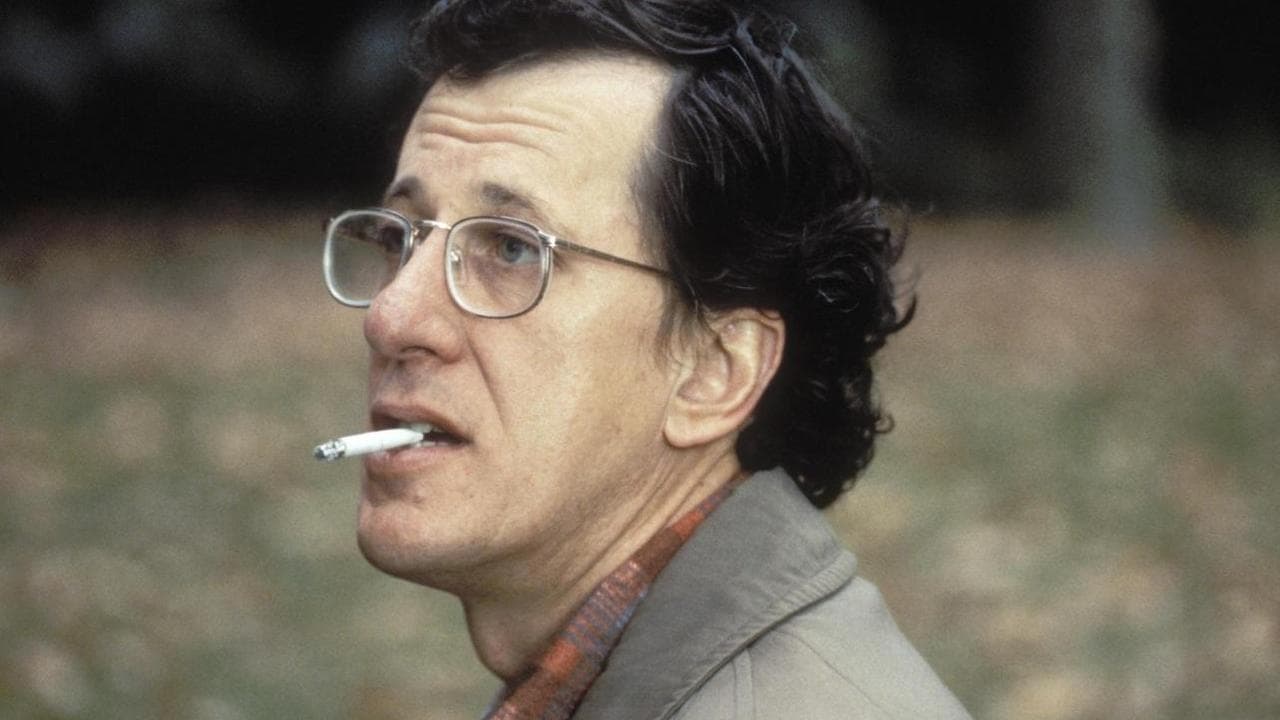
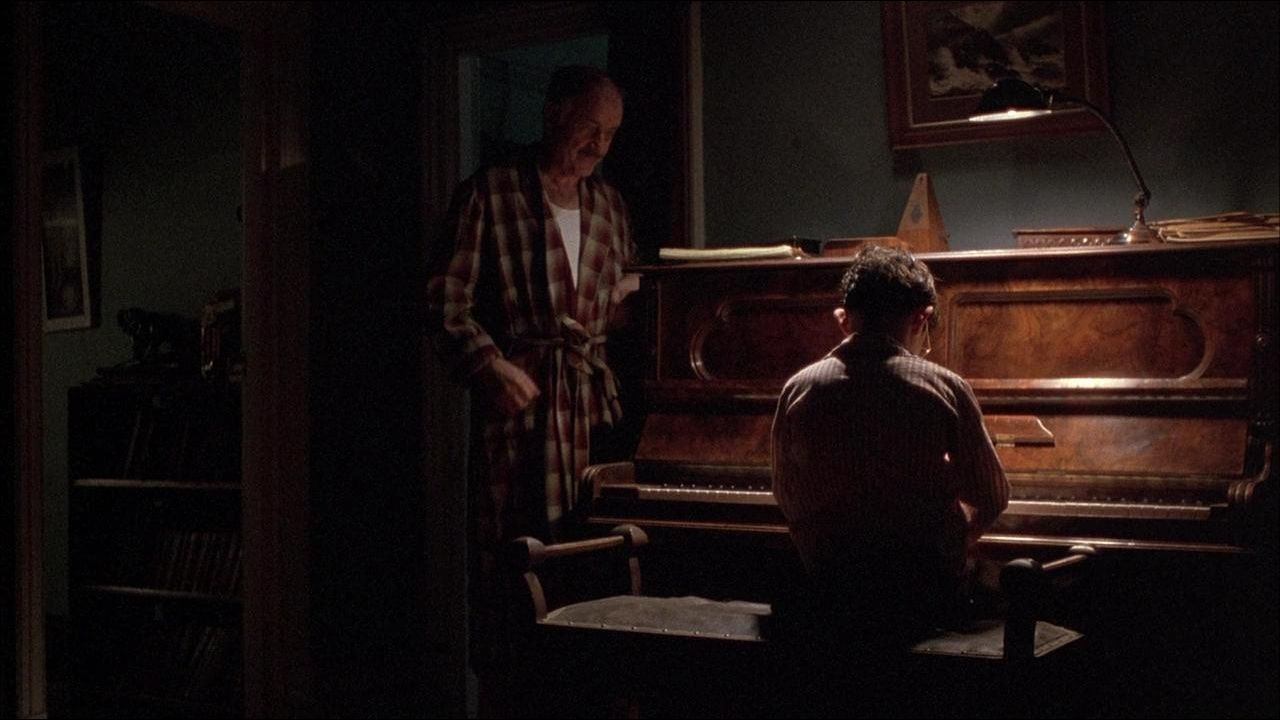
The film deftly balances three distinct phases of Helfgott's life, anchored by incredibly resonant performances. Noah Taylor, embodying the adolescent David, perfectly captures the raw talent simmering beneath a nervous, almost frantic energy. He’s a young man desperate for his father’s approval, yet increasingly stifled by its intensity. We see the burgeoning brilliance, the awkward social interactions, and the crushing weight of expectation, particularly concerning the monumental challenge of Sergei Rachmaninoff's Piano Concerto No. 3 – the notorious "Rach 3."
Then there is Armin Mueller-Stahl as Peter Helfgott, David's father. It’s a performance of staggering complexity. Peter is not a straightforward villain; he's a man shaped by his own lost dreams and trauma (escaping the Holocaust, losing family), projecting his fierce, protective love in ways that become controlling and ultimately damaging. His insistence that "no one will ever love you like your father" carries a chilling weight. Mueller-Stahl finds the humanity within the obsession, the love tangled inextricably with fear and possessiveness. It’s a portrayal that sparked some controversy regarding its accuracy after the film's release, with some family members disputing the depiction, but within the film's narrative, it's utterly compelling and essential to understanding David's trajectory.
An Actor Transcendent
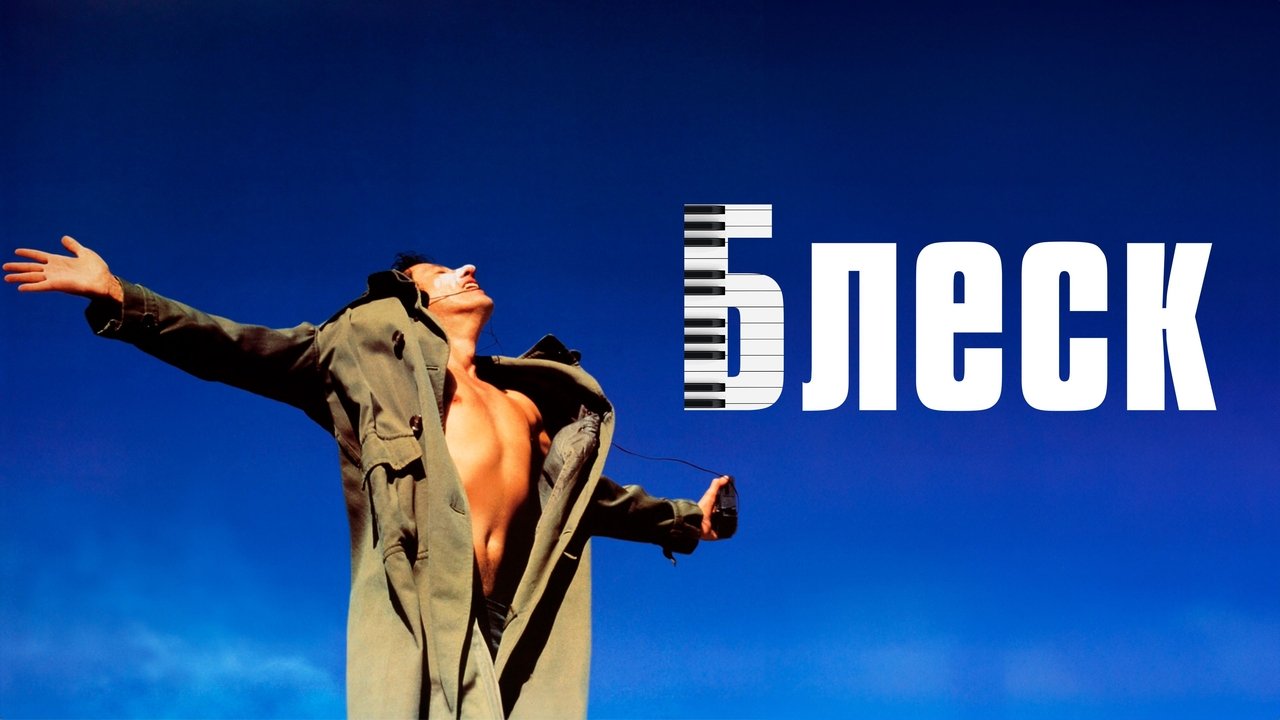
And then, of course, there is Geoffrey Rush. His portrayal of the adult David, emerging from years of institutionalization, is nothing short of breathtaking. It won him the Academy Award for Best Actor, and revisiting the film, it’s easy to see why. Rush doesn't just mimic Helfgott's mannerisms – the rapid-fire, stream-of-consciousness speech, the physical tics, the childlike openness. He inhabits him. He finds the luminous spirit flickering beneath the surface of mental illness, the undimmed passion for music that becomes his lifeline back to the world. It’s a performance devoid of caricature, filled instead with vulnerability, charm, and an astonishing emotional transparency. Rush, already a respected stage actor in Australia but relatively unknown internationally, prepared rigorously. While already a capable pianist, he dedicated himself to mastering the fingering and physicality required, lending authenticity to the concert scenes. His performance anchors the film's emotional core, making David's struggles and triumphs profoundly moving.
Music as Character, Redemption as a Process
The music, particularly the "Rach 3," functions almost as a character itself. It represents the pinnacle of pianistic achievement, the Everest that David is driven to conquer, but also the precipice from which he falls. The film uses music not just as a backdrop, but as the language of David’s soul – expressing joy, pain, confusion, and ultimately, connection. The sequences where David rediscovers the piano in a noisy, chaotic bar, finding solace and eventually an audience, are beautifully rendered. It's here the film truly finds its heart – the idea that healing isn't about returning to who you were, but finding a way to live, and even thrive, with who you've become. Supporting performances from Lynn Redgrave as Gillian, the astrologer who eventually marries David, and the legendary John Gielgud (in one of his final film roles) as Cecil Parkes, David’s demanding tutor at the Royal College of Music, add further layers of warmth and gravitas.
From Small Film to Global Phenomenon
Remember finding those unexpected gems on the video store shelf? The ones without massive marketing budgets but brimming with heart? Shine felt like that discovery. Filmed on a relatively modest Australian budget (around $5.5 million AUD), its critical acclaim and word-of-mouth buzz propelled it to international success, grossing roughly $36 million USD worldwide and garnering seven Oscar nominations. It became a cultural moment, putting Geoffrey Rush on the global map and reminding audiences of the power of intimate, character-driven storytelling. The real David Helfgott even contributed recordings used on the film's massively popular soundtrack, adding another layer of poignant connection. It’s a testament to Scott Hicks' vision and the sheer power of the story and performances that this relatively small Australian film resonated so deeply across the world.
***
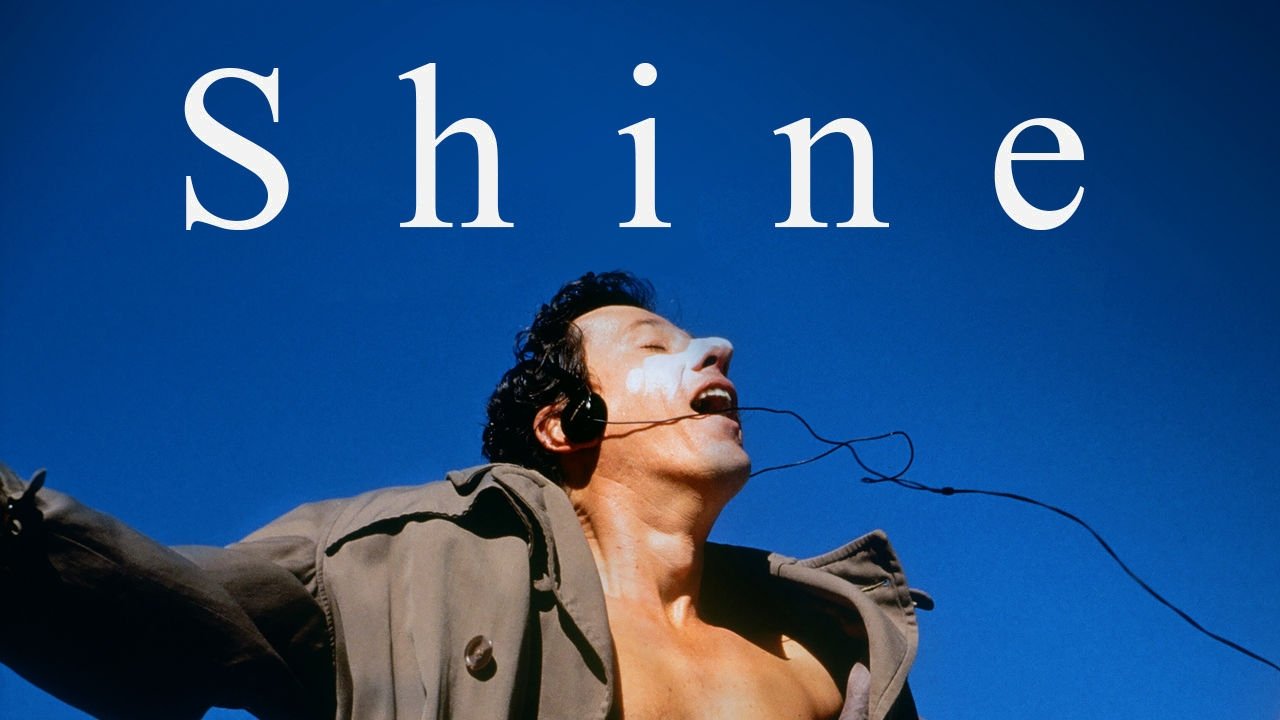
VHS Heaven Rating: 9/10
Shine is a profoundly moving and beautifully performed film that earns its emotional impact through honesty and restraint rather than melodrama. Geoffrey Rush's central performance is a masterclass, capturing the complex inner world of David Helfgott with astonishing depth and humanity. Supported by equally strong turns from Noah Taylor and Armin Mueller-Stahl, and guided by Scott Hicks' sensitive direction, the film navigates difficult themes of mental illness, familial pressure, and the burdens of genius with grace. Its use of music is exceptional, and the narrative of resilience and rediscovery is genuinely inspiring. The justification for a 9 lies in the near-perfect execution of its goals: brilliant acting across the board, a deeply affecting true story told with nuance, and masterful use of music to convey emotion. It avoids easy answers and presents a complex portrait of a unique life, leaving a lasting impression.
It’s a film that stays with you, prompting reflection on the enigmatic nature of talent, the fine line between passion and obsession, and the enduring power of the human spirit – and music – to find light even in the deepest darkness. What does it truly mean to "shine"? This film offers a complex, sometimes painful, but ultimately hopeful meditation on that very question.