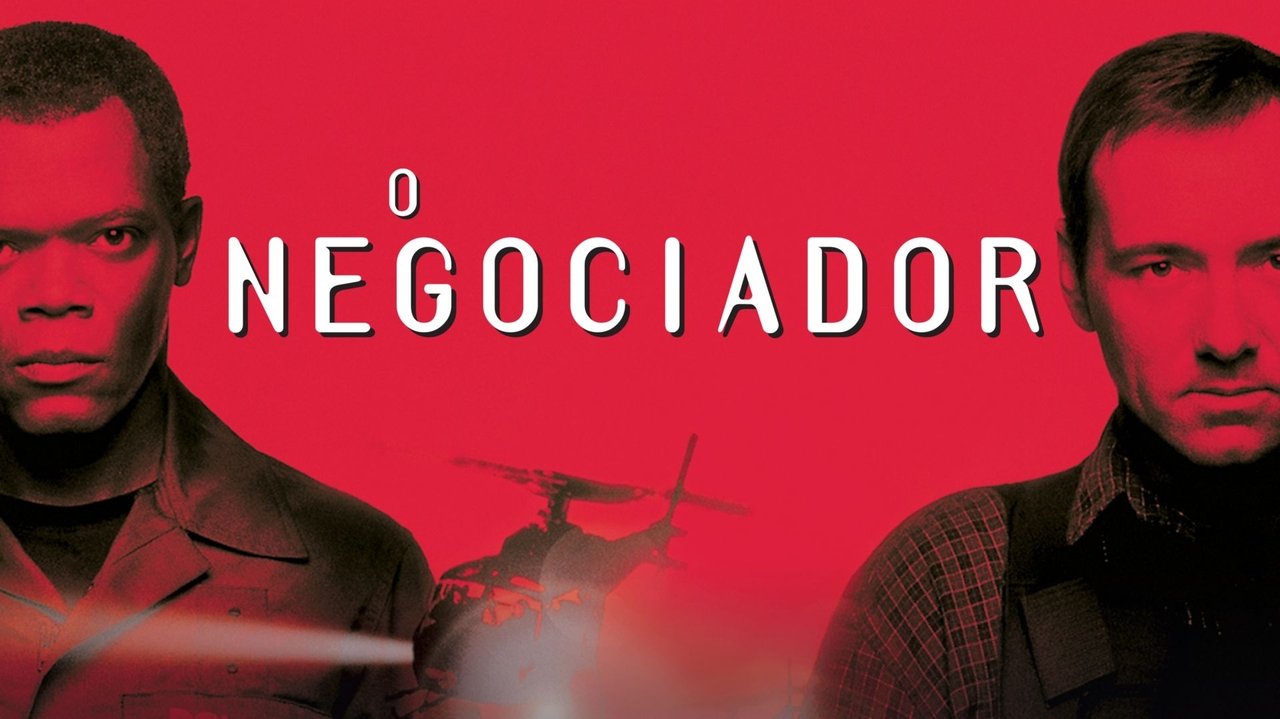
The cold steel and glass canyons of Chicago can feel isolating even on a sunny day. Imagine them on the day your whole world implodes. That’s the immediate, suffocating grip of F. Gary Gray’s 1998 thriller, The Negotiator. There's no slow burn here; the film throws you headfirst into the deep end of paranoia and betrayal, forcing you to hold your breath alongside its protagonist. It opens with a demonstration of skill, Lieutenant Danny Roman (Samuel L. Jackson) talking a suspect off a ledge, a masterclass in control. Then, in a heartbeat, he's the one on the ledge, framed for murder and corruption within his own department, the system he trusts suddenly a cage snapping shut. The unease isn't just about the plot; it's the chilling realization of how quickly the ground can vanish beneath your feet.
Turning the Tables
What elevates The Negotiator beyond a standard wrong-man chase is Roman's desperate, calculated response: he takes hostages. Not just any hostages, but key figures from Internal Affairs, barricading himself inside the very building that represents the monolithic power crushing him – specifically, the upper floors of 77 West Wacker Drive, its real-life architecture lending a sharp, imposing presence. The irony is thick enough to choke on: Chicago's finest hostage negotiator becomes the hostage-taker, using his intimate knowledge of tactics and psychological manipulation against his former colleagues. It’s a premise dripping with inherent tension, transforming a high-rise office into a pressure cooker where every ringing phone, every shadow in the hallway, feels loaded with menace. Gray, who had already shown a flair for contained chaos with Set It Off (1996), keeps the screws tightening relentlessly.
A Masterclass in Verbal Combat
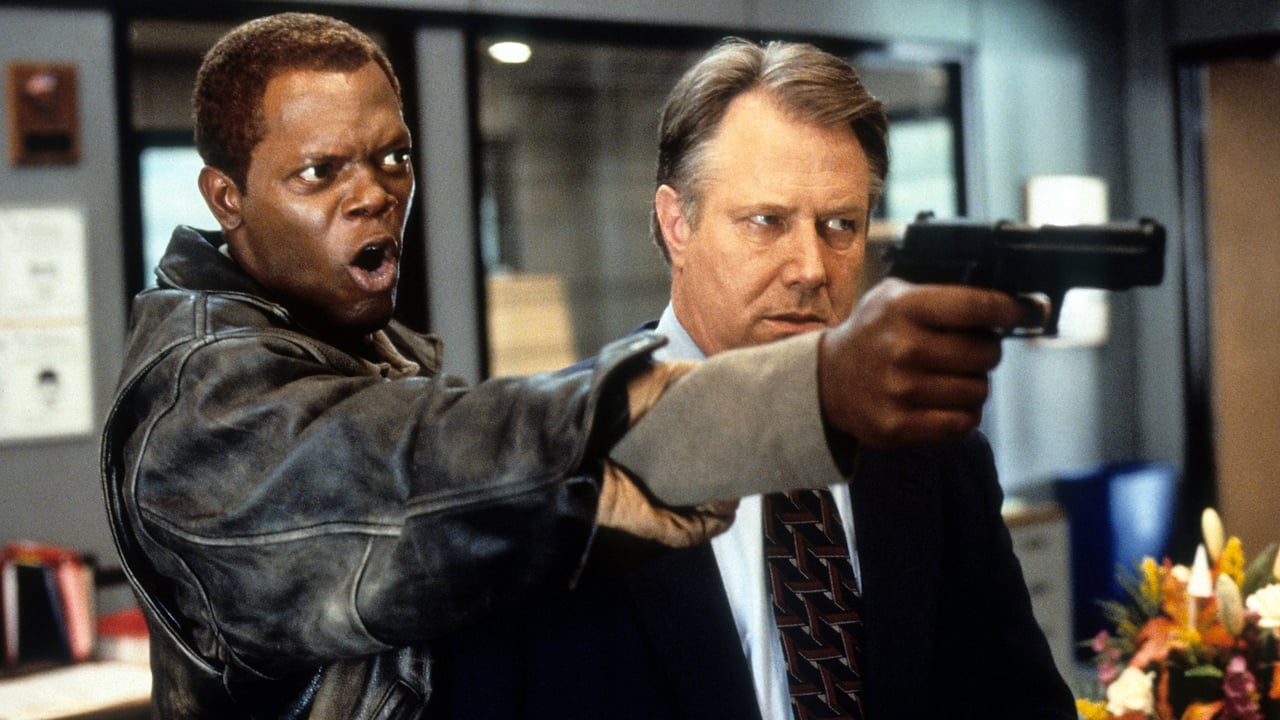
The siege itself is masterfully orchestrated, but the film truly ignites when Roman makes his singular demand: an outside negotiator, Lieutenant Chris Sabian (Kevin Spacey), a man he doesn't know personally but whose reputation suggests impartiality. What follows is less an action spectacle (though there are bursts of tactical violence) and more a riveting psychological chess match. Jackson, radiating righteous fury coiled beneath a veneer of desperate control, is phenomenal. You feel the weight of his predicament, the ticking clock, the mounting distrust. Opposite him, Spacey delivers a performance of cool, measured intelligence, probing Roman's defenses, trying to parse truth from manipulation.
Their verbal sparring crackles with energy, a testament not only to the script by James DeMonaco (who would later create The Purge franchise) and Kevin Fox, but also to the actors themselves. It’s a fascinating bit of Retro Fun Fact that Samuel L. Jackson and Kevin Spacey specifically requested to work together again after their previous collaboration on A Time to Kill (1996). That existing rapport translates into an electric on-screen chemistry, making their dialogue feel less like scripted lines and more like a genuine high-stakes battle of wits unfolding in real-time. The authenticity is further bolstered by the production's consultation with actual LAPD SWAT members and hostage negotiators, lending the procedural elements a satisfying weight.
Faces in the Crowd, Shadows in the Halls
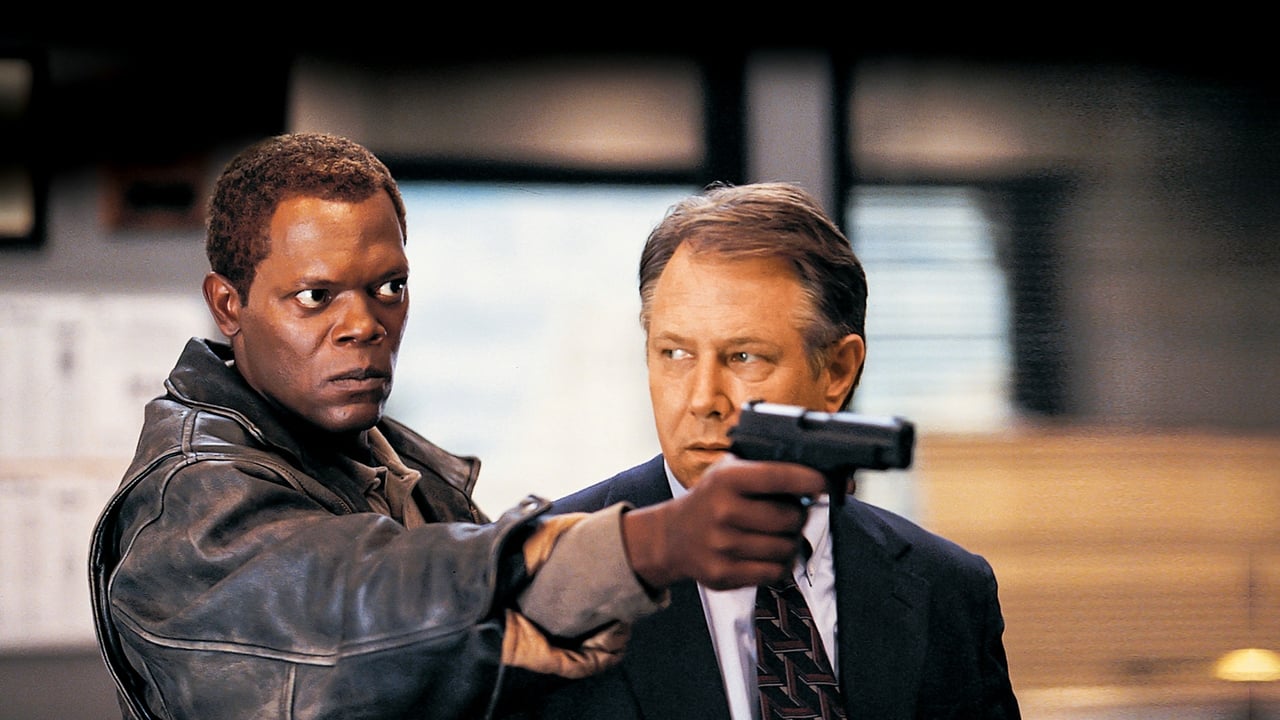
While Jackson and Spacey command the screen, the supporting cast is equally crucial in layering the conspiracy and tension. David Morse is perfectly cast as Adam Beck, the volatile SWAT commander itching to go tactical, representing the brute force itching to override negotiation. The late, great J.T. Walsh, in one of his final roles before his tragic passing shortly before the film's release, embodies the bureaucratic slime trail with effortless unease as Inspector Niebaum. His presence adds a layer of poignancy alongside the character's duplicity. Ron Rifkin and John Spencer also provide solid support as figures caught within the tightening web of departmental corruption, their loyalties constantly in question. It adds to the sense that Roman isn't just fighting Sabian; he's fighting a hydra-headed conspiracy where any face could be masking betrayal.
The Polished Pressure of Late 90s Thrills
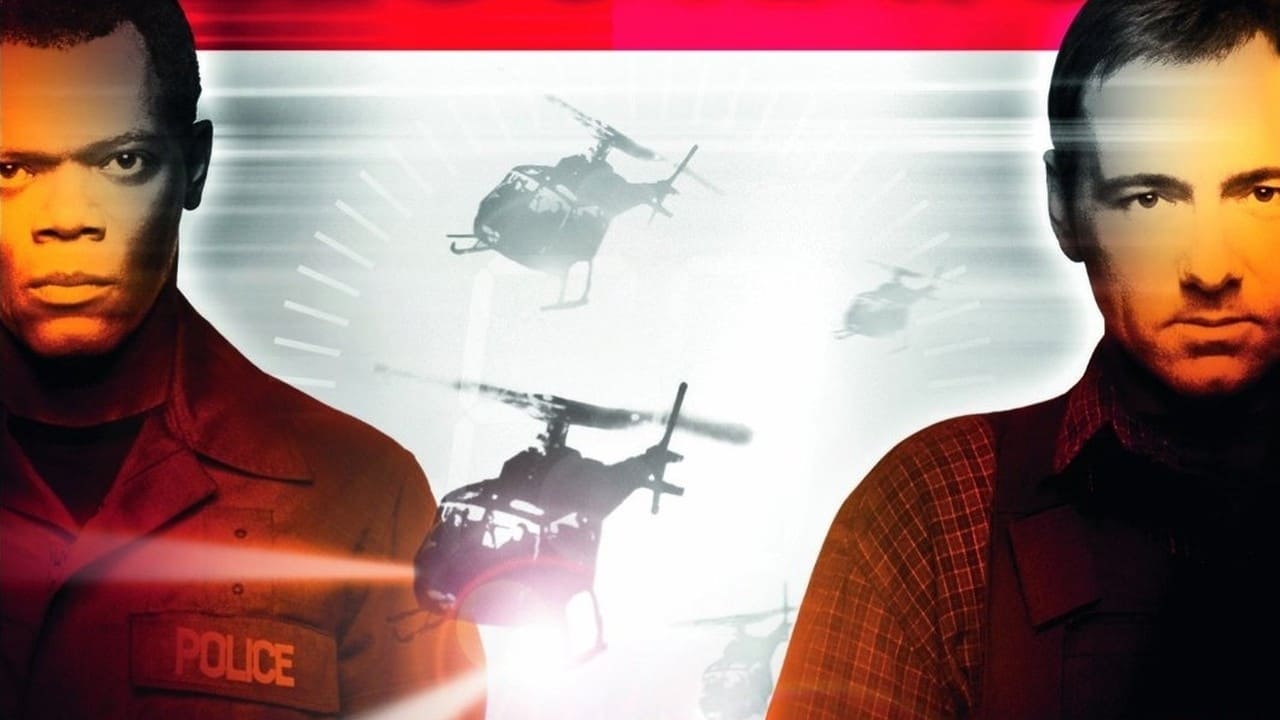
Watching The Negotiator now definitely evokes that specific late-90s blockbuster feel – the slick cinematography (courtesy of Russell Carpenter, fresh off Titanic), the slightly bulky tech (pagers!), the propulsive score by Graeme Revell that underscores the urgency. It’s a film that felt like a premium Friday night rental back in the VHS days, the kind of tape box whose cover art alone promised a gripping couple of hours. I distinctly remember the buzz surrounding this pairing of Jackson and Spacey, two actors absolutely at the top of their game. While its nearly two-and-a-half-hour runtime might feel a touch generous by today's standards, the relentless pacing and the core negotiation duel rarely allow the tension to sag. It avoids feeling overly dated because its central conflict – trust, betrayal, communication under extreme duress – remains universally compelling. The plot mechanics, drawing loose inspiration from real-life police scandals in St. Louis, tap into a vein of institutional paranoia that still resonates.
The Verdict
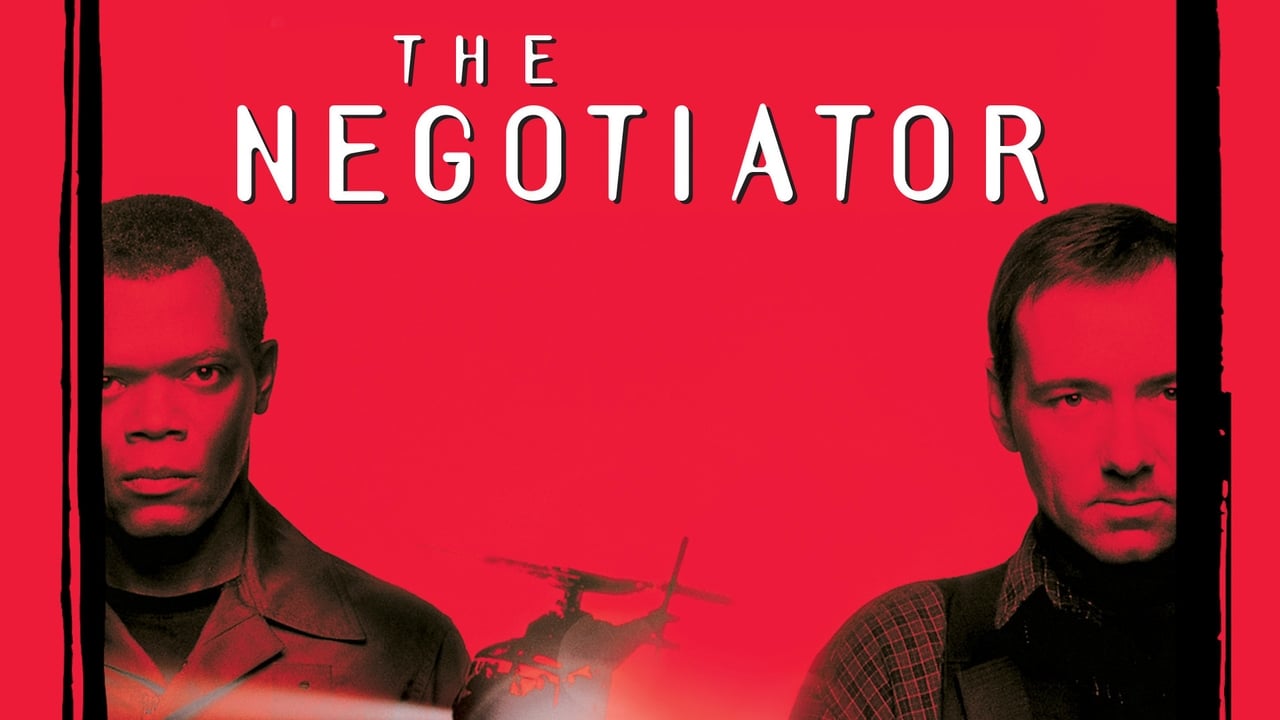
The Negotiator is a prime example of a smart, superbly acted studio thriller done right. It takes a high-concept premise and executes it with precision, anchored by two powerhouse performances that elevate the material significantly. The atmosphere is consistently tense, the plot twists (mostly) satisfying, and the direction keeps things moving at a clip despite the runtime. It successfully balances the cerebral aspects of negotiation with the visceral threat of the surrounding siege. While perhaps lacking the gritty darkness of some genre contemporaries, its focus on psychological warfare remains intensely engaging.
Rating: 8/10
This score reflects the film's undeniable strengths: the exceptional lead performances, the nail-biting tension sustained throughout, and a clever premise well-executed. It might follow some familiar thriller beats, and the length could be trimmed slightly, but its core duel is captivating. The Negotiator stands as a high-water mark for late-90s thrillers, a film that perhaps doesn't get discussed as often as it should but remains a thoroughly gripping and satisfying watch, especially for fans who appreciate a good old-fashioned star-driven standoff. It’s a potent reminder of how compelling dialogue can be when wielded like a weapon.