What lingers longer: the searing memory of forbidden passion, or the haunting silence left by a promise made to God? Neil Jordan’s 1999 adaptation of Graham Greene’s novel, The End of the Affair, plunges us headfirst into this agonizing question, set against the perpetually rain-slicked streets and existential dread of London during the Blitz. It's a film that arrived perhaps near the tail end of the VHS era for many, transitioning into the DVD age, but its mood and intensity feel perfectly suited to the focused, intimate viewing experience that home video allowed – a stark contrast to the multiplex distractions of the time.
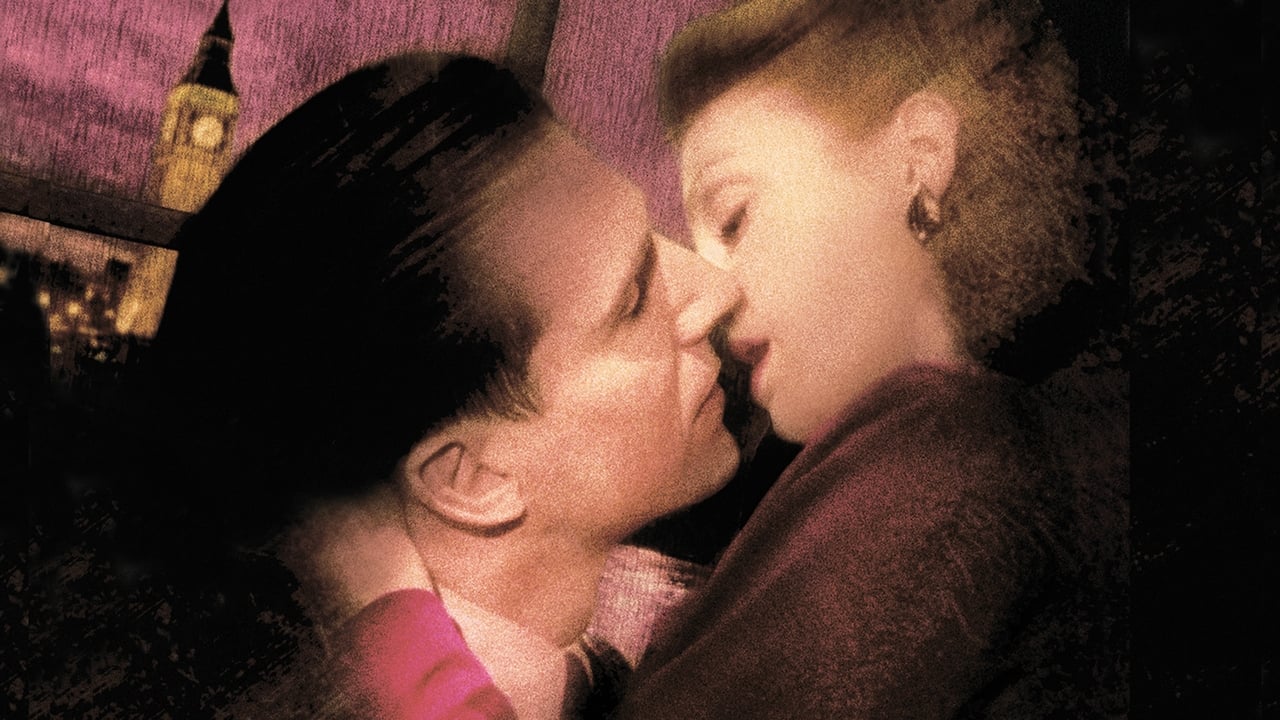
A Love Story Etched in Shadow and Rain
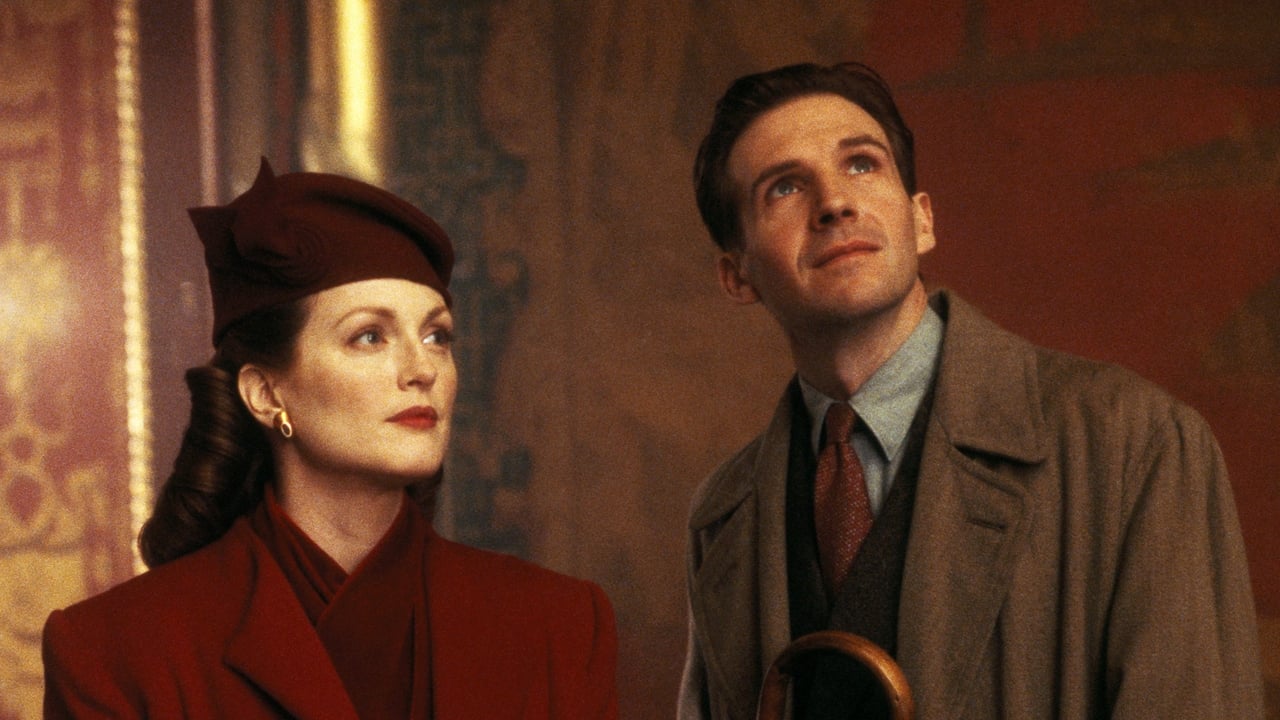
We meet Maurice Bendrix (Ralph Fiennes), a novelist consumed by a bitter jealousy that gnaws at him years after his intense affair with Sarah Miles (Julianne Moore) abruptly ended. The war provides a constant backdrop of danger and impermanence, mirroring the precariousness of their clandestine relationship. When Bendrix encounters Sarah’s husband, the trusting civil servant Henry (Stephen Rea, a frequent and always welcome presence in Jordan's films), his suspicions reignite. He hires a private investigator, the oddly poignant Mr. Parkis (Ian Hart), not just to uncover Sarah's secrets, but perhaps to wound himself further with the confirmation of his deepest fears. Jordan, who also adapted Greene’s deeply personal novel, masterfully employs a fractured narrative, mirroring Bendrix's obsessive circling back to key moments, trying to piece together the puzzle of Sarah’s sudden departure after a V-1 rocket nearly killed him. This non-linear approach isn't just stylistic flair; it pulls us directly into Bendrix’s tormented headspace.
Acting Forged in Emotional Fire
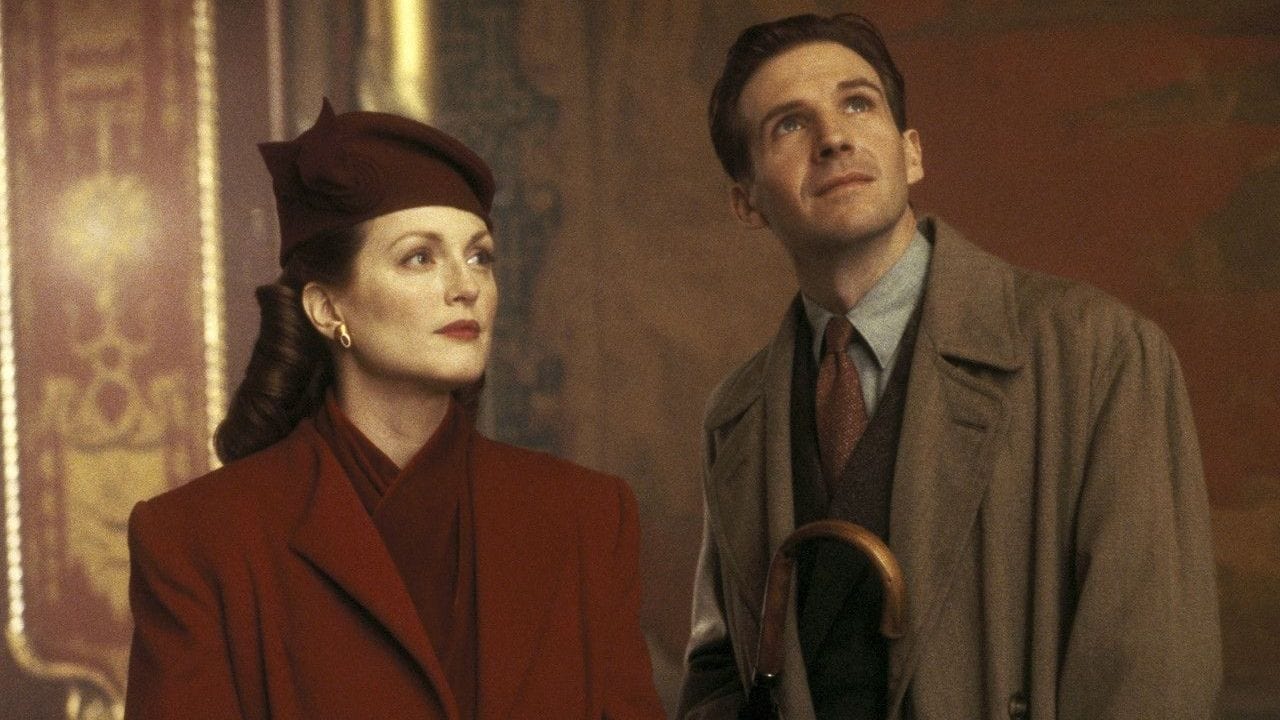
The film rests heavily on the shoulders of its central trio, and they deliver performances of raw, devastating power. Ralph Fiennes, already known for navigating complex emotional landscapes in films like Schindler's List (1993) and The English Patient (1996), embodies Bendrix's consuming obsession with an unsettling intensity. It's not just love; it's possession, a desperate need that curdles into suspicion and rage. You see the writer in him constantly analyzing, dissecting, turning memory over and over until it draws blood.
Julianne Moore is simply extraordinary as Sarah. She navigates the treacherous territory between passionate abandon and profound spiritual conflict with breathtaking subtlety. Her Sarah isn't merely an adulteress; she’s a woman grappling with desires and fears that lead her to make a desperate bargain in a moment of terror. Moore earned a well-deserved Best Actress Oscar nomination for this portrayal, conveying oceans of feeling – guilt, longing, burgeoning faith, terror – often with just a glance or a tremor in her voice. It's a performance that feels utterly truthful, grounding the film's more heightened, melodramatic elements. And Stephen Rea, as the cuckolded husband, avoids caricature. He gives Henry a quiet dignity and a palpable sense of bewildered hurt, making him more than just an obstacle in the lovers' path.
Crafting Wartime Passion
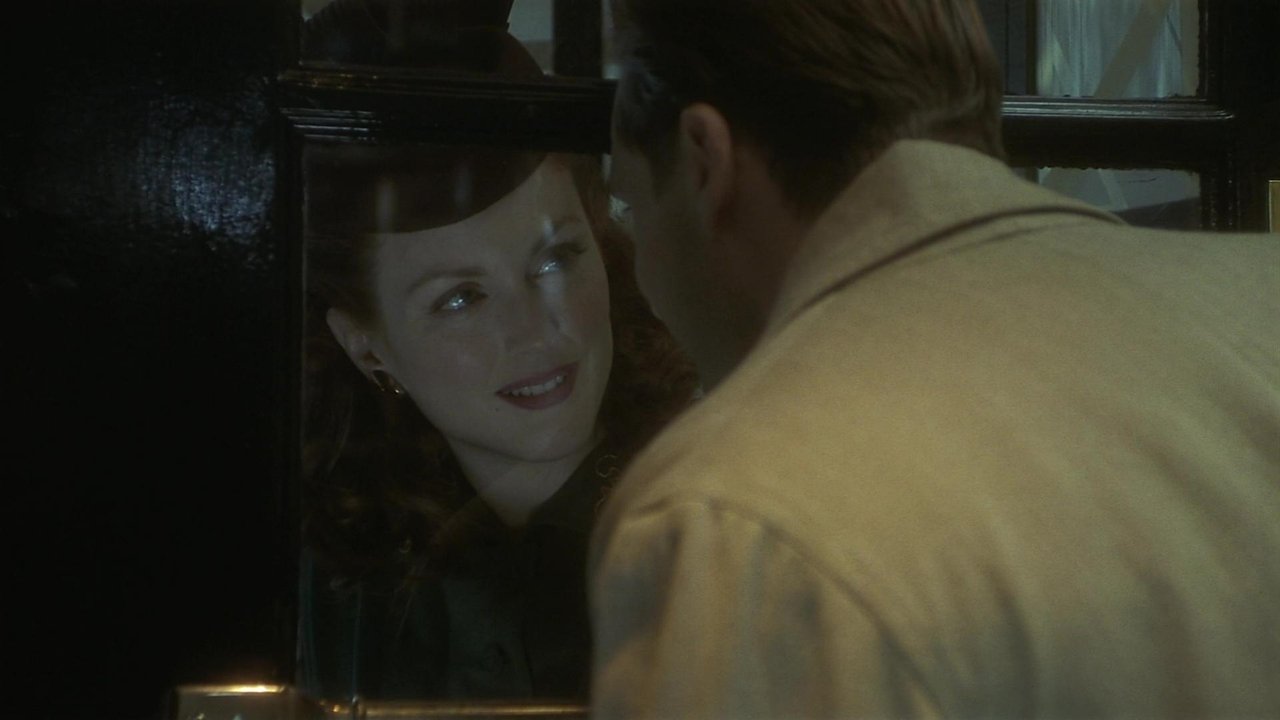
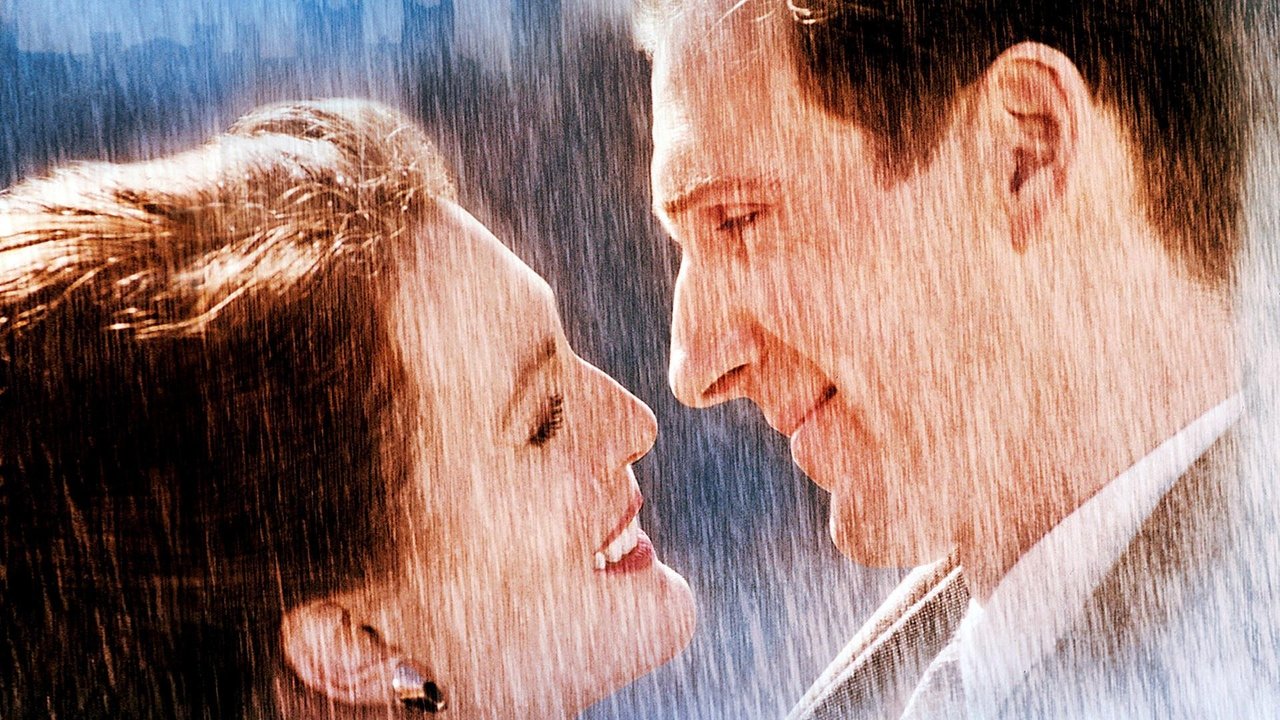
Neil Jordan, known for exploring the darker, more complex aspects of human nature in films like The Crying Game (1992) and Interview with the Vampire (1994), was arguably the perfect director for this material. He understands obsession and the thin line between love and destruction. Working with cinematographer Roger Pratt (who also received an Oscar nomination for his work here), Jordan creates a London that feels both specific in its wartime detail and universally symbolic of emotional confinement. The perpetual rain, the muted colour palette broken by flashes of intense memory, the claustrophobic interiors – it all contributes to an atmosphere thick with unspoken desires and impending loss. Reportedly, Jordan felt a strong personal connection to Greene's novel, seeing parallels between the author's own experiences and the spiritual wrestling depicted, which likely informed the film's deeply felt sincerity.
Greene's 1951 novel was semi-autobiographical, reflecting his own wartime affair and conversion to Catholicism. While there was a 1955 film adaptation starring Deborah Kerr and Van Johnson, Jordan's version delves more deeply into the novel's explicit sensuality and, crucially, its complex theological arguments. The film doesn't shy away from the messiness of faith – the doubt, the anger directed at a God perceived as interfering, the possibility of miracles that defy rational explanation. It’s a far cry from the simpler romances often found on the rental shelves, demanding more from its audience. I recall renting this around its release, perhaps expecting something akin to The English Patient, but finding a much bleaker, more intellectually and spiritually challenging experience that stayed with me long after the tape ejected.
Beyond Romance: Obsession and the Divine
What makes The End of the Affair resonate beyond being just a tragic love story is its unflinching exploration of themes that transcend the central romance. Is Bendrix’s love truly love, or a form of all-consuming ownership? Does Sarah’s promise, made under extreme duress, represent genuine faith or a desperate superstition? The film offers no easy answers, leaving the viewer to grapple with the ambiguities. The introduction of the private investigator and his son adds another layer, a touch of almost comic pathos that somehow deepens the tragedy, highlighting the mundane intrusion into profound emotional turmoil. It’s these nuances, the refusal to paint characters or motivations in simple black and white, that elevate the film.
This 90s drama holds up remarkably well, its themes timeless, its performances still captivating. It asks uncomfortable questions about the nature of love, sacrifice, and belief – questions that echo long after the credits roll.
Rating: 8.5/10
This score reflects the film's exceptional performances, particularly from Moore and Fiennes, its evocative atmosphere, and Neil Jordan's sensitive, intelligent direction in tackling complex, adult themes drawn from Greene's powerful novel. While its relentless intensity and melancholic tone might not be for everyone, its craftsmanship and emotional depth are undeniable. It’s a film that earns its emotional weight, avoiding easy sentimentality in favour of something far more complex and lingering.