Few performances arrive with the force of nature suggested by the title itself. Watching Denzel Washington embody Rubin "Hurricane" Carter in Norman Jewison's 1999 film, The Hurricane, isn't just observing skilled mimicry; it feels like witnessing a primal transference of energy, rage, and ultimately, unbreakable spirit. Even years later, revisiting this on a format perhaps less pristine than today's digital streams, the sheer power radiating from Washington remains undimmed, a testament to an actor operating at the absolute peak of his considerable powers. This wasn't just another late-90s drama vying for awards; it felt like a necessary story, fiercely told.
The Eye of the Storm
The Hurricane recounts the harrowing true story of Rubin Carter, a promising middleweight boxer whose career and life were brutally derailed when he was wrongfully convicted of a triple murder in Paterson, New Jersey, in 1966. The film charts his initial fame, the shock of the conviction alongside John Artis, his decades spent in prison maintaining his innocence, and the unlikely crusade undertaken years later by Lesra Martin (played with touching earnestness by Vicellous Reon Shannon), a teenager from Brooklyn who becomes convinced of Carter's innocence after reading his autobiography, The Sixteenth Round. Aided by his Canadian foster family (including Deborah Kara Unger, Liev Schreiber, and John Hannah), Lesra initiates a correspondence and eventually a campaign that challenges the foundations of Carter's conviction.
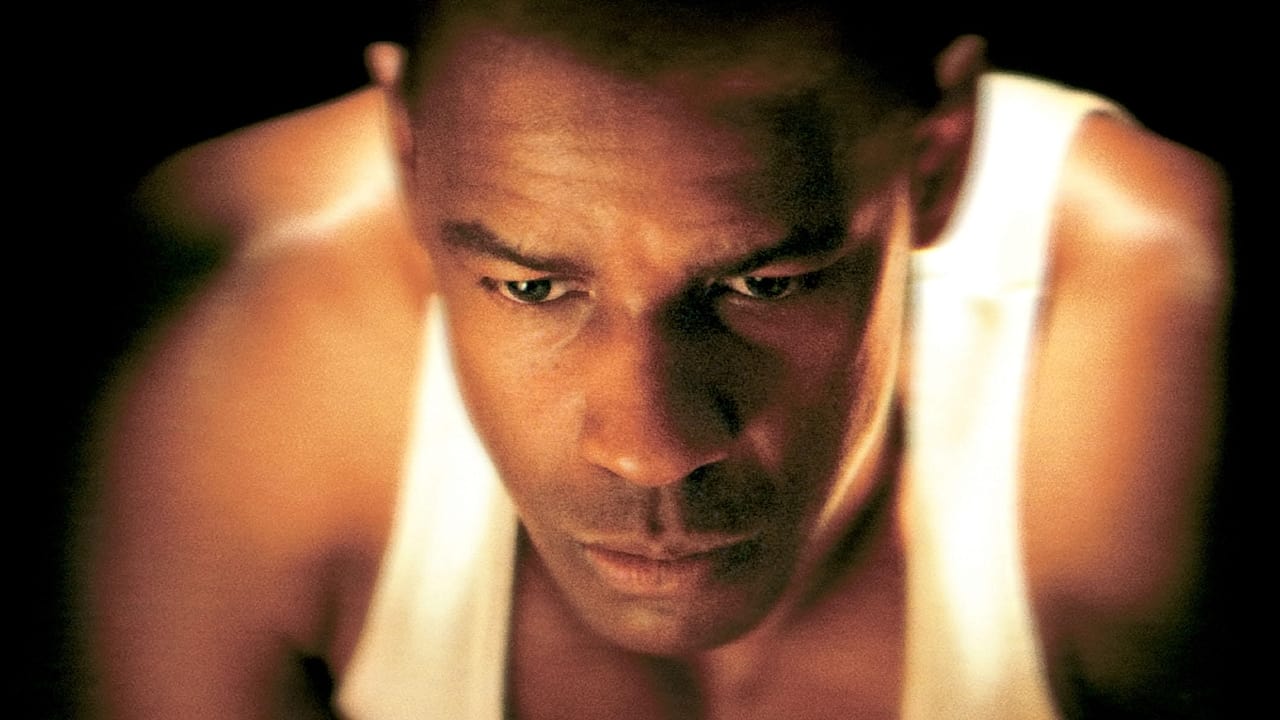
Director Norman Jewison, no stranger to tackling themes of racial injustice with films like 1967's seminal In the Heat of the Night, brings a steady, compassionate hand to the proceedings. He understands that the core of this story isn't just the legal battle, but the internal fortitude required to survive decades of wrongful imprisonment without surrendering one's identity. Jewison lets the camera linger on Washington's face – the simmering fury in the early prison years, the transformation into a disciplined, philosophical man who refuses to wear the prison uniform or accept parole under false pretenses, the flicker of hope reignited by Lesra's belief.
A Championship Performance
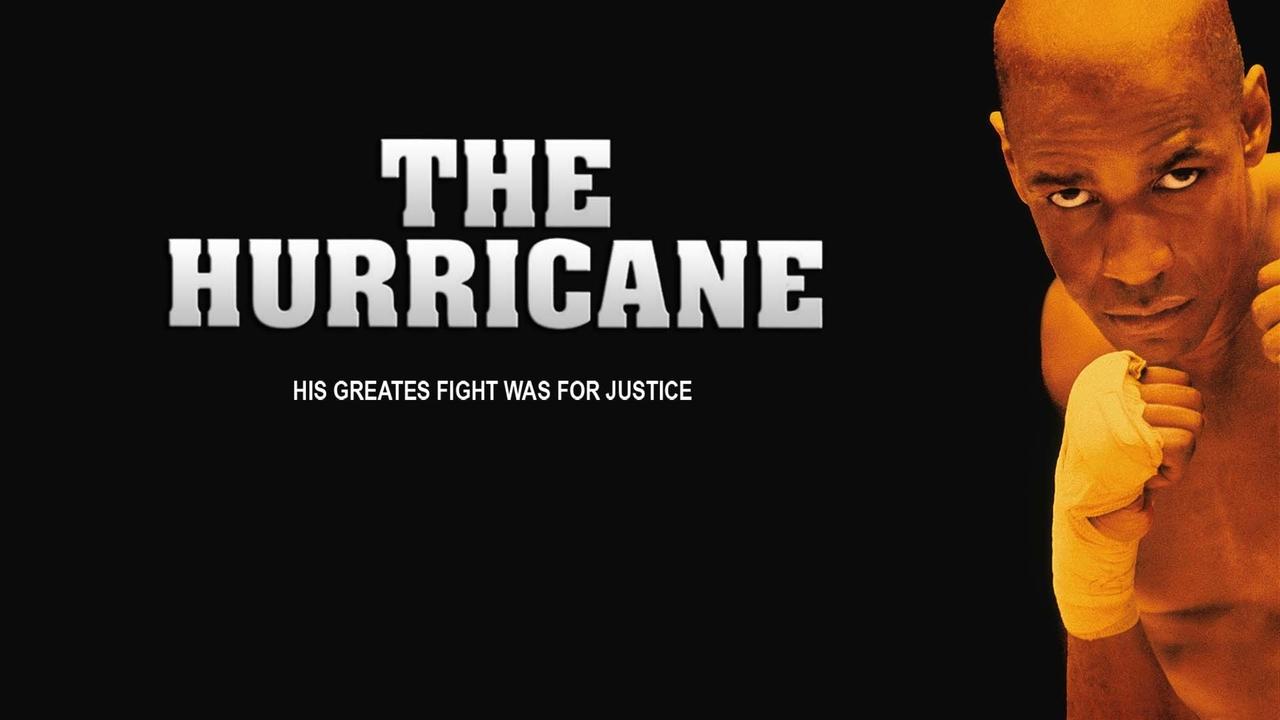
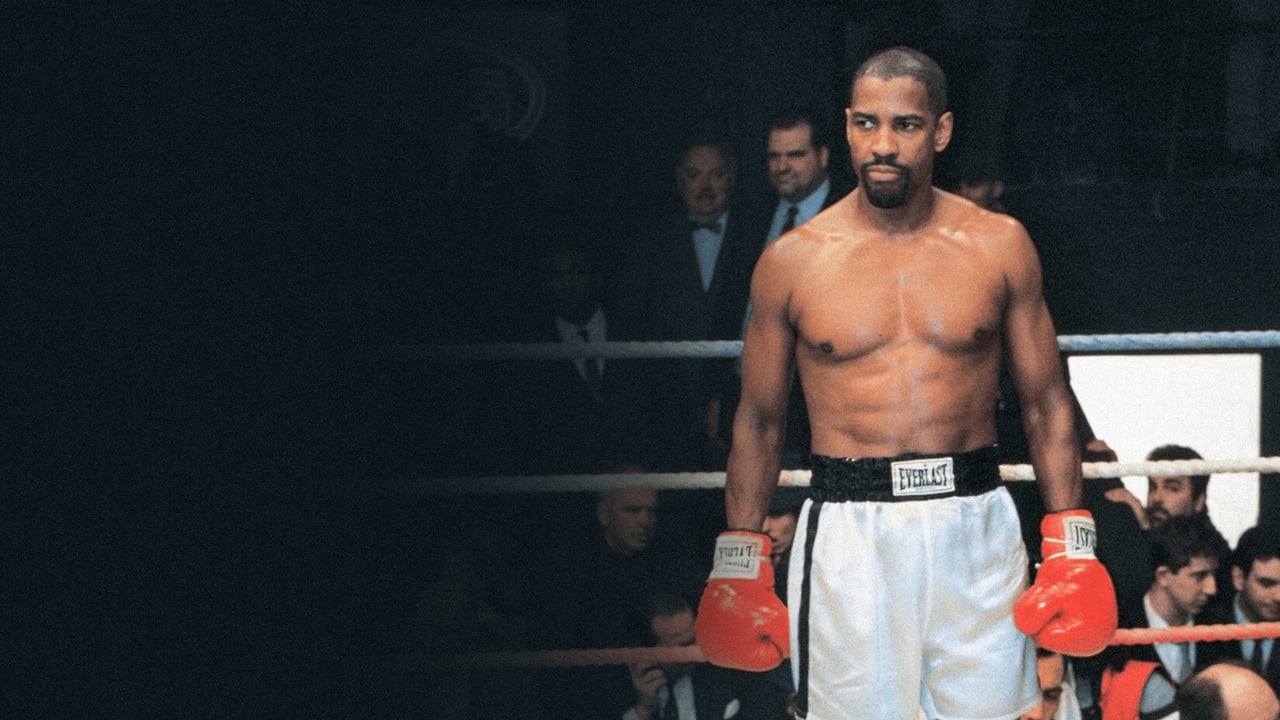
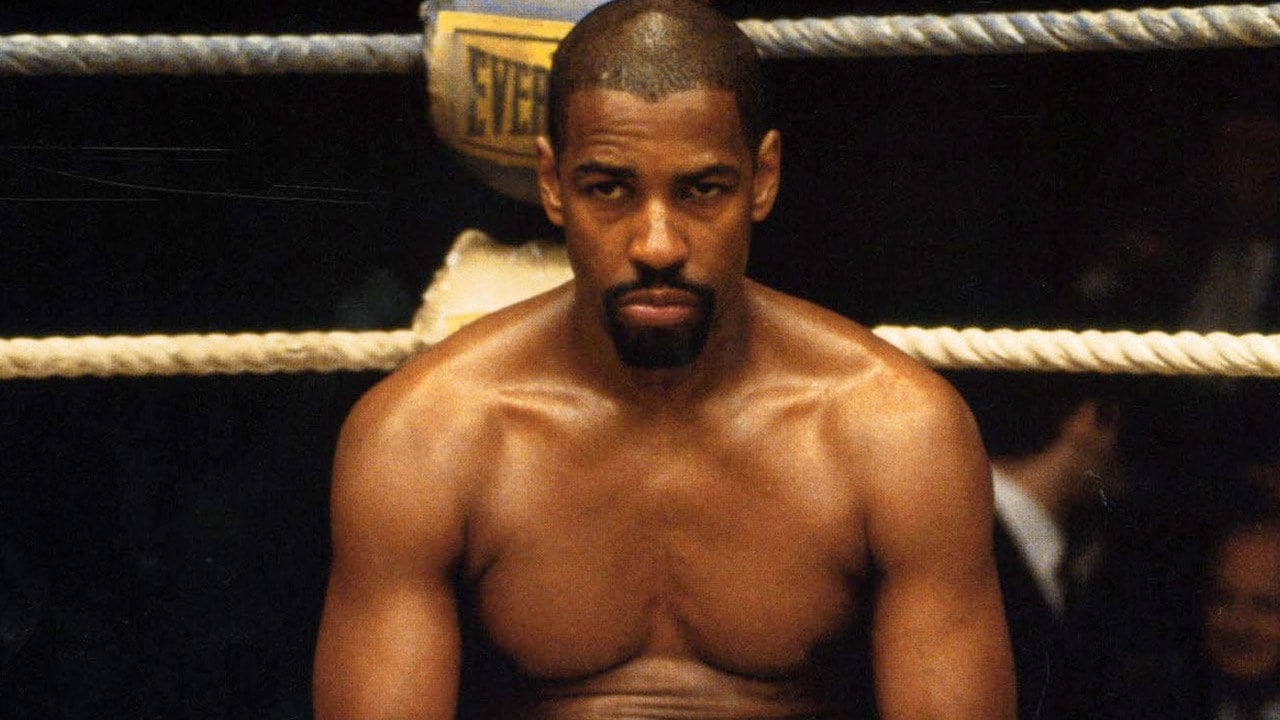
Let's be clear: The Hurricane rests squarely on Denzel Washington's shoulders, and he carries it magnificently. It's a performance of immense physical and emotional commitment. Washington reportedly trained for over a year, shedding significant weight to convincingly portray Carter the boxer, capturing the coiled power and panther-like grace in the ring. But the physical transformation is secondary to the internal work. He met Rubin Carter extensively, absorbing not just his mannerisms but the profound sense of dignity Carter fiercely protected even behind bars. There’s a scene where Carter, in solitary, confronts his own reflection, battling despair – it’s acting of shattering intensity, conveying years of torment in a few visceral moments. It deservedly earned Washington a Golden Globe and an Oscar nomination, and frankly, watching it again, it feels like one of those performances that transcends awards buzz entirely.
One fascinating piece of trivia often discussed is the film's relationship with historical fact. Critics at the time, and Carter's detractors, pointed out deviations and composite characters used for narrative streamlining. Jewison himself acknowledged taking liberties to capture the emotional truth and the essence of Carter's struggle, aiming for a powerful cinematic experience rather than a strict documentary. This approach, while debated, arguably allows the film to hit its thematic targets more forcefully – the systemic racism, the corruption, and the incredible resilience of the human spirit. It's a point worth noting, as it coloured the film's reception, but for me, it doesn't fundamentally undermine the power of Washington's portrayal or the core message of enduring injustice.
Beyond the Canvas
The supporting cast provides solid grounding. Vicellous Reon Shannon is genuinely affecting as Lesra, the young man whose simple act of reading a book ignites a movement. His wide-eyed determination provides a crucial counterpoint to Carter's hardened experience. The Canadian trio (Unger, Schreiber, Hannah) effectively portray ordinary people moved to extraordinary action, embodying the idea that change can come from unexpected quarters. Their dynamic adds another layer to the film's exploration of connection and belief.
The film isn't perfect. At nearly two and a half hours, the pacing occasionally flags, particularly in the sections detailing the Canadians' investigation. And while Dan Hedaya plays the antagonistic Detective Della Pesca with snarling conviction, the character sometimes borders on caricature, a necessary villain perhaps, but lacking the nuance found elsewhere. Yet, these are relatively minor points when measured against the film's overwhelming strengths.
Jewison uses boxing sparingly but effectively, not just as spectacle but as a metaphor for Carter's fight – both in the ring and against the system. The black-and-white flashbacks lend a stark, almost mythic quality to Carter's early life and boxing career, contrasting sharply with the grim reality of prison life. And we can't forget the haunting power of Bob Dylan's 1975 song "Hurricane," which helped bring Carter's plight to wider public attention decades earlier and whose spirit infuses the film. Its inclusion feels essential, bridging the gap between the actual events and their cinematic retelling.
The Final Bell
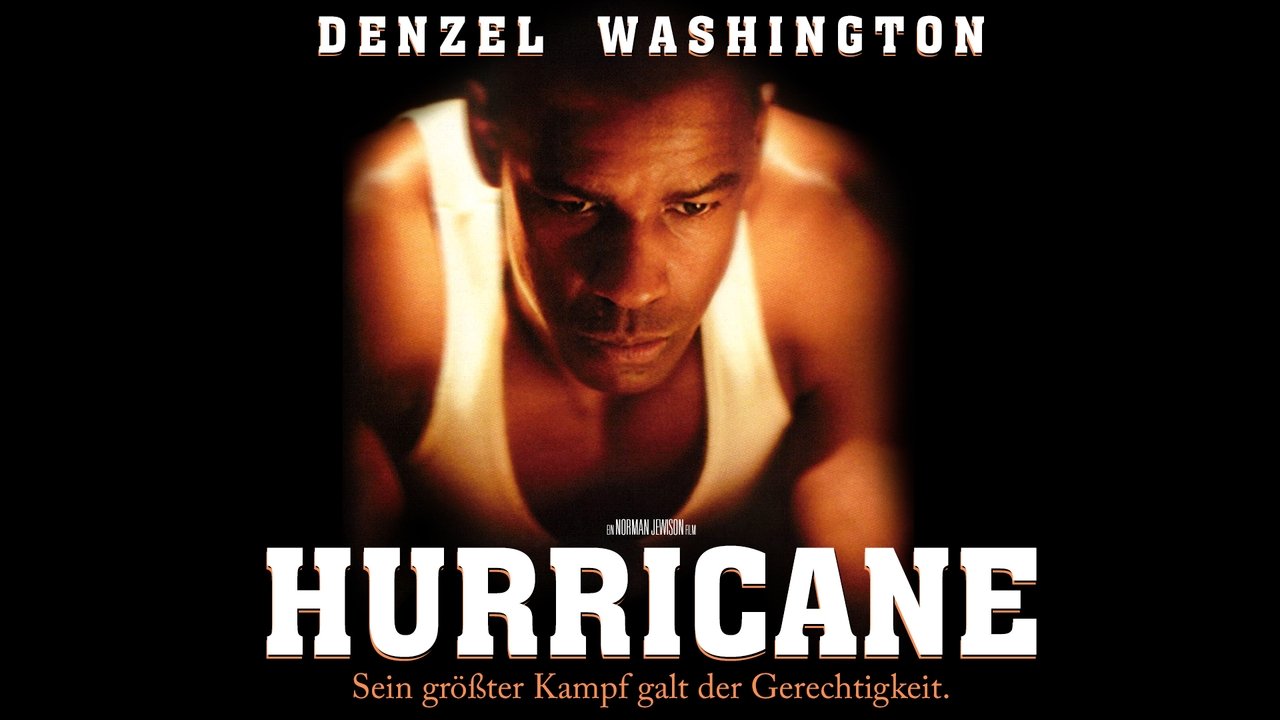
Watching The Hurricane again, perhaps on a tape sourced from a dusty shelf or a fondly remembered rental store visit, reminds you of the kind of substantial, character-driven dramas that felt increasingly rare even by the late 90s. It’s a film that demands engagement, provokes anger at injustice, and ultimately offers a profound sense of hope rooted in human connection and unwavering self-belief. It forces us to ask: how much injustice can one person endure before breaking? And what fuels the will to keep fighting?
Rating: 8.5/10
This score reflects the towering central performance by Denzel Washington, which remains utterly compelling, and Norman Jewison's sensitive handling of a powerful true story. While acknowledging the historical accuracy debates and occasional pacing issues, the film's emotional resonance, thematic depth, and sheer dramatic force make it a standout of its era. It's a film that stays with you, anchored by one of the great screen performances, reminding us of the battles fought both in the spotlight and in the quiet solitude of a prison cell. What lingers most is the quiet dignity Carter maintained – a victory the system could never take away.