Some films cling to you long after the tape ejects and the screen fades to static grey. They don't just entertain; they burrow under your skin, leaving an imprint that’s hard to shake. Darren Aronofsky's Requiem for a Dream (2000) is undeniably one of those films. Arriving at the absolute tail-end of the VHS era, just as shiny DVDs were taking over the rental shelves, it felt less like escapism and more like a raw nerve exposed, a brutal counterpoint to the often brighter, simpler fare that defined much of the 80s and 90s video store experience. This wasn't a comfort watch; it was, and remains, a confrontation.

The Unraveling Thread
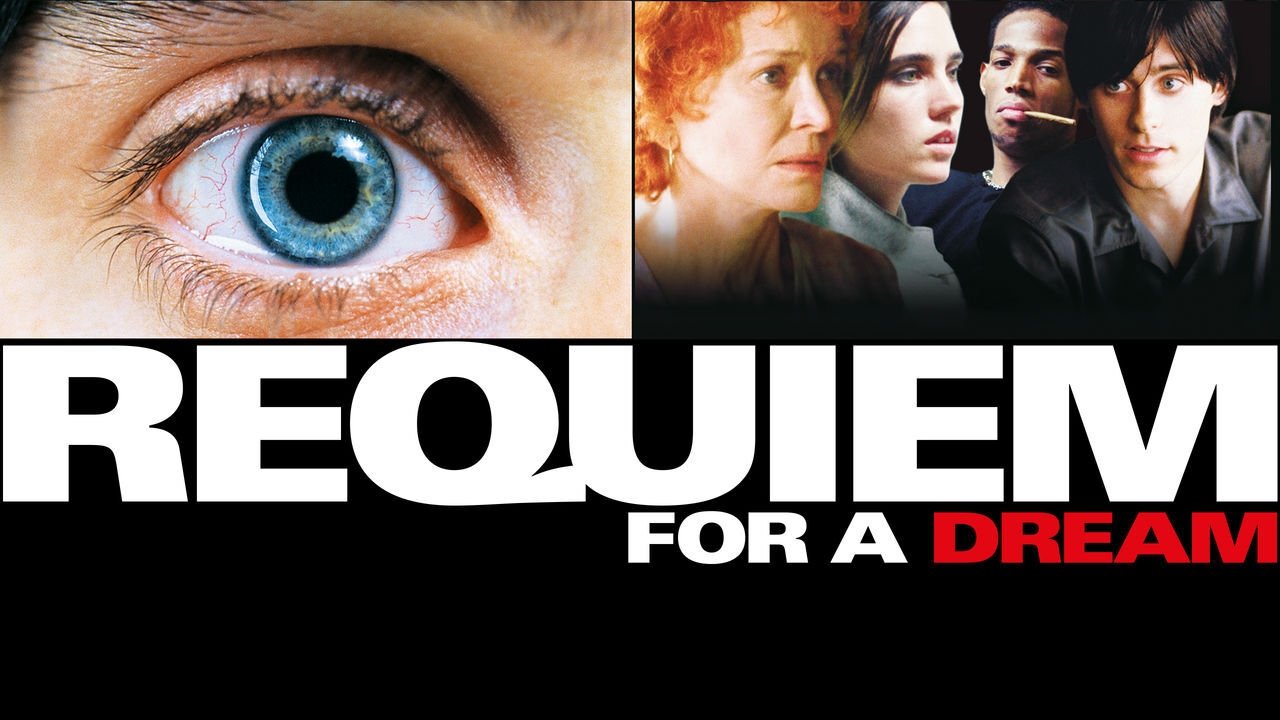
Based on the stark 1978 novel by Hubert Selby Jr. (who makes a chilling cameo as a prison guard), Requiem follows four interconnected lives in Brooklyn spiraling into the abyss of addiction. There's hopeful Harry (Jared Leto), his girlfriend Marion (Jennifer Connelly), his best friend Tyrone (Marlon Wayans), all chasing a quick score through heroin dealing, dreaming of legitimate futures funded by illegitimate means. And then there’s Harry's mother, Sara Goldfarb (Ellen Burstyn), whose addiction isn't to street drugs but to television and the insidious promise of diet pills, hoping to fit into a red dress for a game show appearance that may only exist in her lonely imagination.
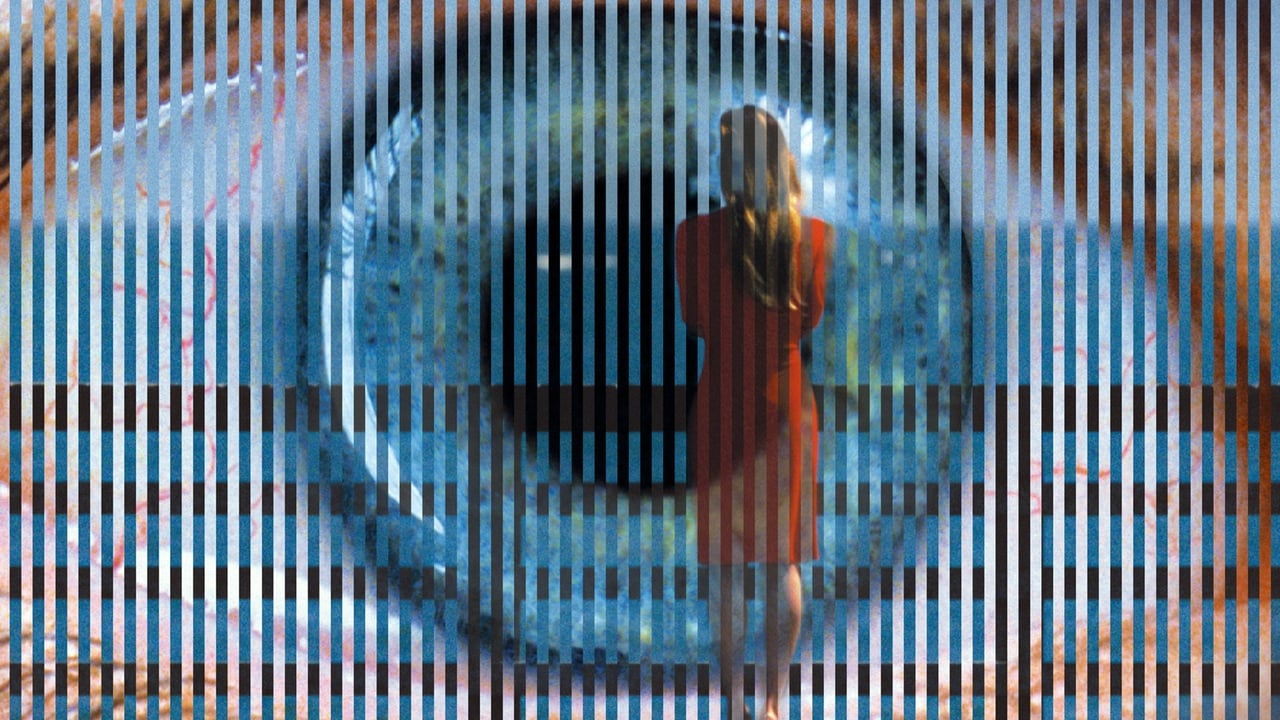
Aronofsky, hot off his micro-budget mind-bender Pi (1998), doesn't just tell their stories; he plunges us headfirst into their deteriorating states of mind. The film's visual language is aggressive, fragmented, mirroring the characters' fractured realities. Remember those signature "hip hop montages"? Rapid-fire cuts – sources say the film has over 2000 cuts in total, triple the average drama – showing the ritual of drug use, the pupil dilating, the rush, the brief escape. It’s hypnotic at first, then increasingly disturbing, a stylistic choice that becomes inseparable from the film's theme of compulsive, destructive cycles. This isn't just showing addiction; it's simulating the frantic energy and the crushing repetition of the chase.
A Symphony of Despair
What truly elevates Requiem beyond a simple cautionary tale is the devastating power of its performances, particularly from Ellen Burstyn. Her portrayal of Sara Goldfarb isn't just acting; it's a harrowing act of transformation. Initially filled with a poignant, almost childlike hope, Sara’s descent fueled by amphetamines is agonizing to witness. Burstyn reportedly wore various prosthetics, including a 40-pound fat suit for earlier scenes and neck/chest pieces for later ones, but the physical changes pale beside the psychological unraveling she conveys. Aronofsky famously showed Burstyn, who initially declined the role, his debut Pi to win her over, promising a film that pushed boundaries. She delivered a performance that transcends the screen, earning her a well-deserved Oscar nomination. It's a portrait of loneliness and desperation so raw it feels almost intrusive to watch.
The younger cast is equally committed. Jared Leto, shedding significant weight and reportedly immersing himself in the world of addiction, captures Harry's desperate optimism curdling into panic. Jennifer Connelly, shedding her often ethereal screen presence, finds a bruised vulnerability in Marion, whose degradation is perhaps the most visually shocking. And Marlon Wayans, stepping far outside his comedic roots (think In Living Color or Scary Movie), brings a surprising depth and tragedy to Tyrone, the character who perhaps clings longest to the illusion of control. Their collective chemistry feels authentic, making their shared downfall all the more painful.
The Echo Chamber
Complementing the visuals and performances is the haunting score by Clint Mansell, featuring the Kronos Quartet. That central theme, "Lux Aeterna," has become iconic, endlessly reused in trailers for other films, but its power originates here – a mournful, driving piece that perfectly encapsulates the film's sense of impending doom. It’s the sound of hope dying, relentlessly.
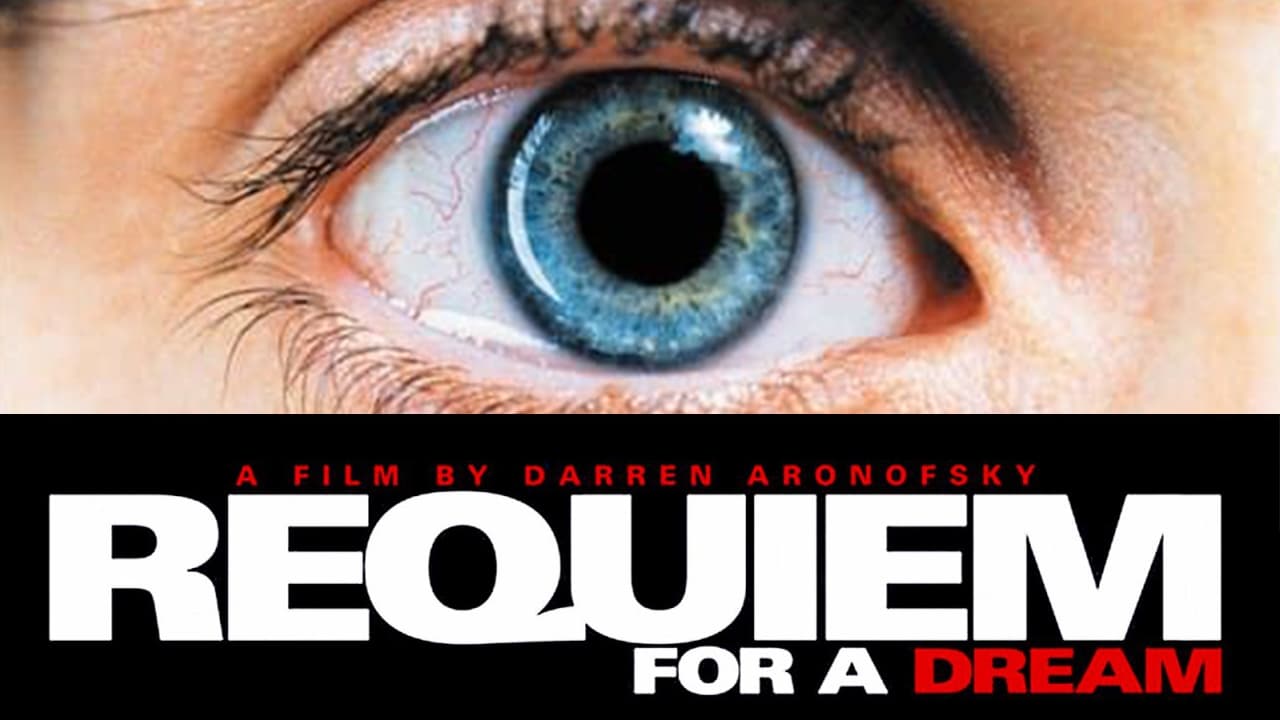
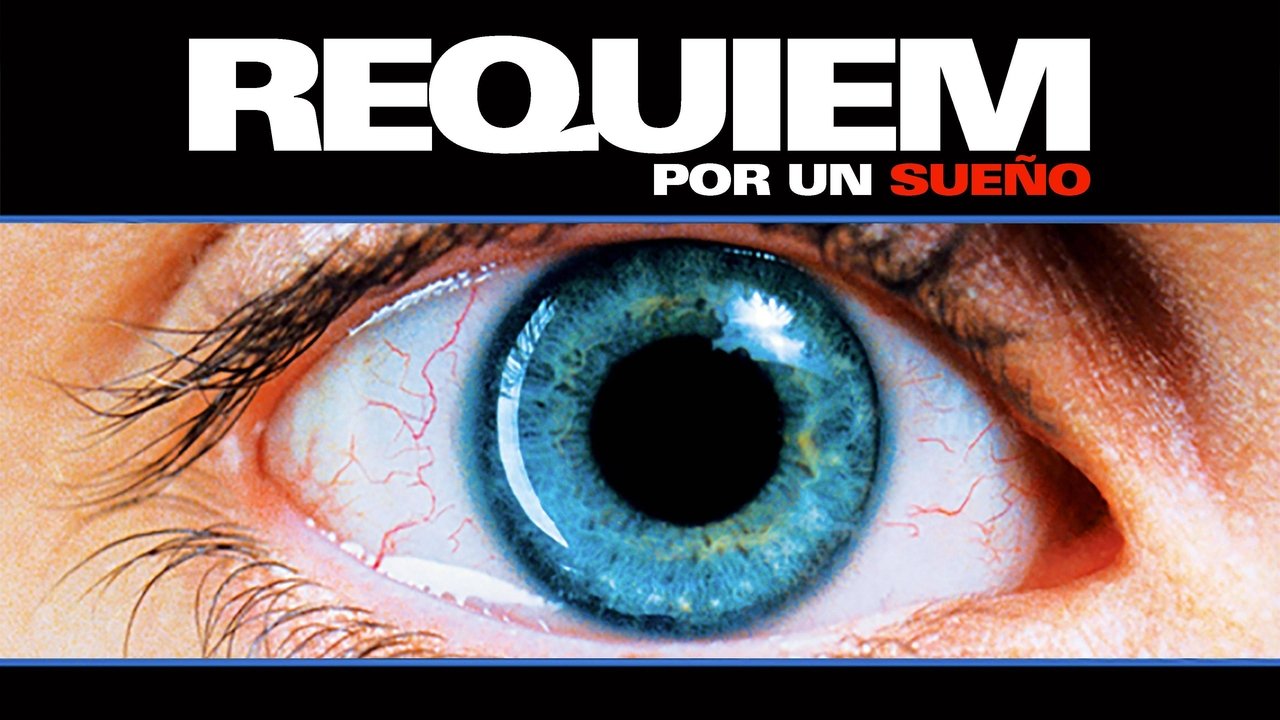
Aronofsky and Artisan Entertainment famously fought the MPAA, refusing cuts to avoid an NC-17 rating and ultimately releasing the film unrated. This decision cemented its reputation as an uncompromising work. It wasn’t aiming for mass appeal; it was aiming for impact. With a modest budget around $4.5 million, its $7.4 million box office reflects its challenging nature, but its cultural footprint far exceeds those numbers. Was this the kind of film you'd casually rent on a Friday night back in the day? Probably not twice. I remember seeing that stark VHS cover art – the eye, the colours – and feeling a sense of unease even before pressing play.
Lasting Resonance
Requiem for a Dream isn't subtle. It's a cinematic sledgehammer, designed to leave you reeling. It explores the universality of addiction – not just to substances, but to dreams, to validation, to escape itself – with a ferocity rarely seen. Its depiction of the characters' intertwined descents, culminating in a devastating cross-cut final sequence, is unforgettable. Does it offer easy answers or moments of uplift? Absolutely not. It forces us to confront the terrifying fragility of hope and the destructive power of obsession. What lingers most is the profound empathy it generates for its characters, even as they make catastrophic choices.
It’s a film that arrived like a final, brutal statement on VHS, a format often associated with lighter entertainment. It challenged viewers, pushed boundaries visually and thematically, and showcased actors giving their absolute all to profoundly difficult material. It’s not a film one ‘enjoys’ in the traditional sense, but its artistry and emotional power are undeniable.
Rating: 9/10
This score reflects the film's sheer artistic audacity, its unforgettable performances (especially Burstyn's), its innovative direction, and its lasting, visceral impact. It’s a near-masterpiece of confrontational cinema, docked perhaps only for its unrelenting bleakness which, while intentional, makes it an experience many viewers can only endure once. It’s a film that doesn't just play; it assaults the senses and sticks in the soul, a dark dream you can’t easily wake from.