Okay, pull up a comfortable chair, maybe pour yourself something quiet. We're not diving into explosions or high-speed chases today. Instead, let's settle into the hushed, intimate world of Things You Can Tell Just by Looking at Her, a film that arrived right at the turn of the millennium (2000) and felt like a gentle exhale after the often-raucous cinematic noise of the late 90s. It might have arrived on DVD shelves as much as VHS, but its quiet power and focus on character feel deeply connected to the thoughtful dramas that found a home in discerning video stores.
### Whispers in Los Angeles
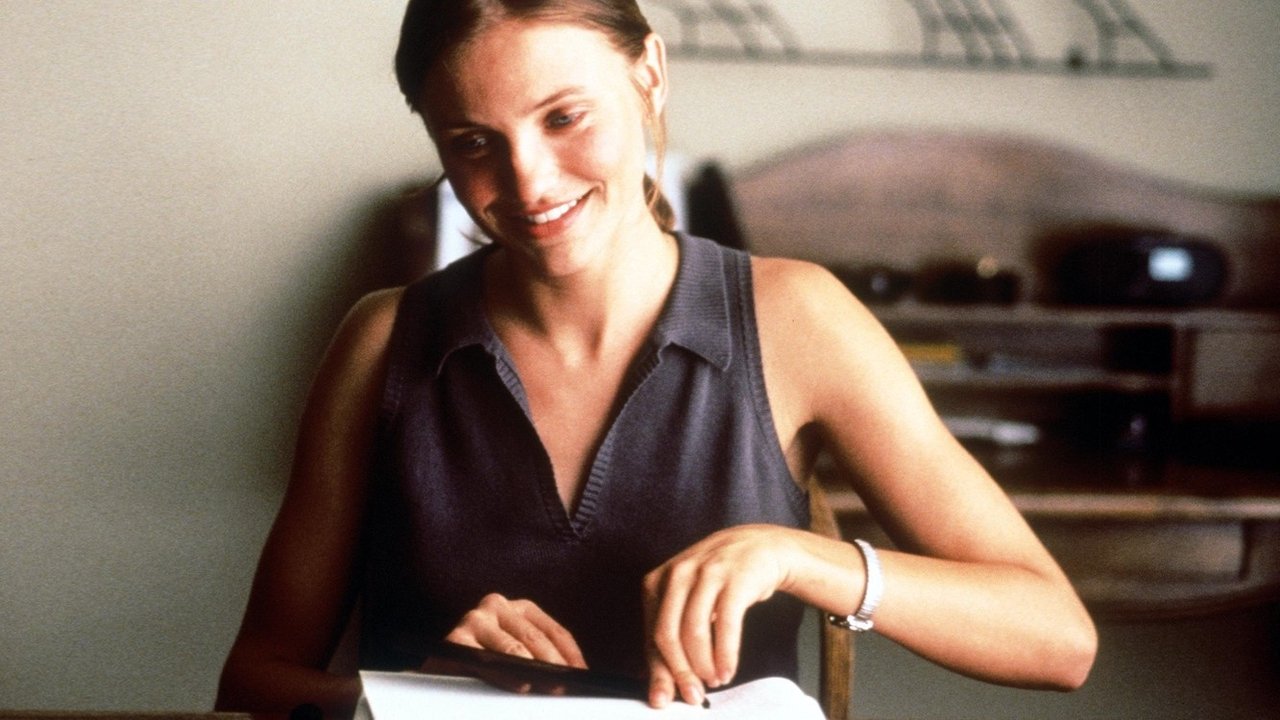
What strikes you first about this film, directed with remarkable sensitivity by Rodrigo García (making his directorial debut here, though known later for Albert Nobbs (2011) and work on shows like Six Feet Under), is its structure. It's less a single narrative and more a collection of interconnected vignettes, brief glimpses into the lives of several women navigating loneliness, longing, and quiet desperation in the San Fernando Valley. Think of it like leafing through a photo album where each picture hints at a much larger, often unseen, story. There's Dr. Keener (Glenn Close), a physician feeling adrift and seeking connection through a tarot card reader, Christine (Calista Flockhart). There's Rebecca (Holly Hunter), a bank manager facing an unplanned pregnancy and a complicated relationship. Rose (Kathy Baker) contemplates the isolation of single motherhood, while sisters Carol (Cameron Diaz) and Nancy (Amy Brenneman) navigate blindness and unspoken tensions. These threads occasionally cross, subtly influencing one another, much like lives brush against each other in a sprawling city.
### The Eloquence of Silence
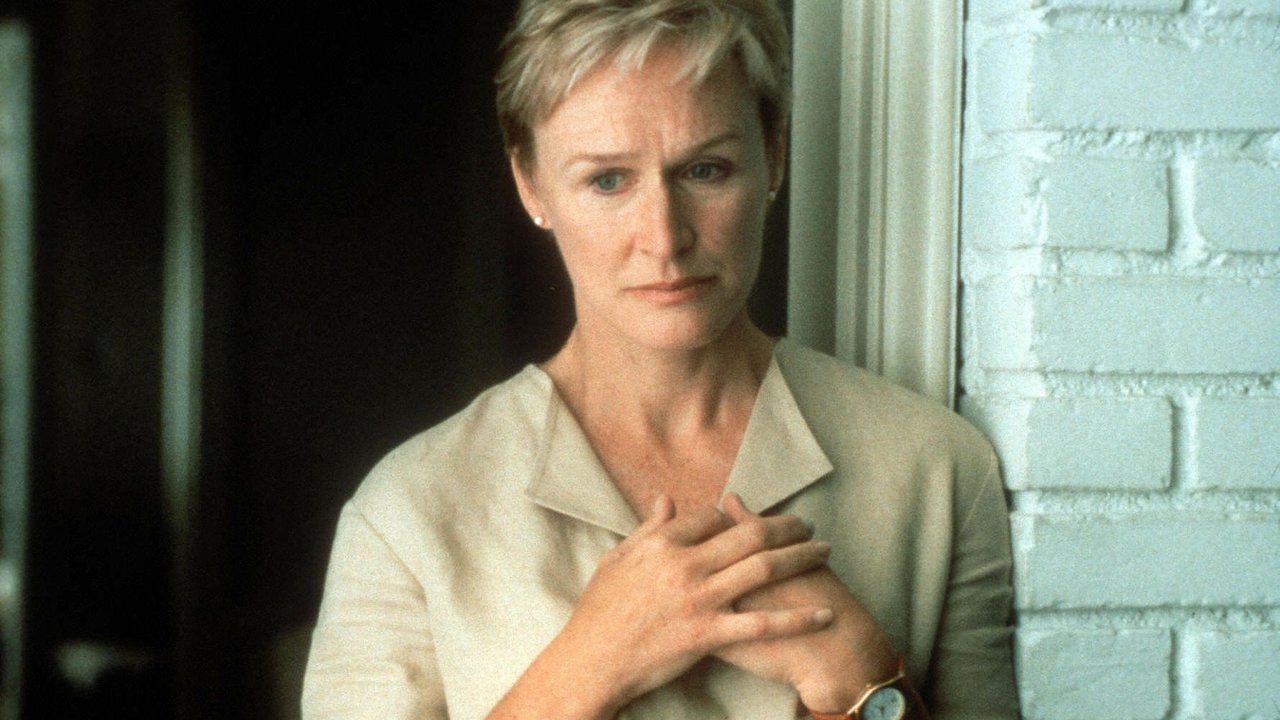
Rodrigo García, son of the legendary novelist Gabriel García Márquez, clearly inherited a profound understanding of human emotion and the power of the unsaid. His camera often lingers on faces, capturing the micro-expressions that betray inner turmoil or fleeting moments of grace. The dialogue is naturalistic, often sparse, allowing silence and gesture to carry significant weight. This isn't a film that explains itself; it trusts the audience to observe, to listen between the lines. It asks us to consider what burdens people carry beneath composed surfaces. Doesn't that feel true to life? How often do we truly know what's going on behind someone's eyes?
The ensemble cast here is simply extraordinary, a gathering of talent that feels almost unbelievable for what was reportedly a very modestly budgeted independent film (shot quickly, possibly in under a month, showcasing García's efficiency). Glenn Close, known for powerhouse roles like Fatal Attraction (1987), is achingly vulnerable as Dr. Keener, her professionalism barely masking a deep well of solitude. Holly Hunter, always a magnetic presence since films like Broadcast News (1987), conveys Rebecca's fierce independence and hidden fragility with masterful nuance. Calista Flockhart, stepping away from her Ally McBeal persona, delivers a quiet, searching performance as Christine. And Cameron Diaz, often seen in lighter fare like There's Something About Mary (1998) around this time, offers a surprisingly grounded and poignant turn as the blind, perceptive Carol. Each performance feels lived-in, authentic, contributing to the film's cumulative emotional impact.
### Looking Closer
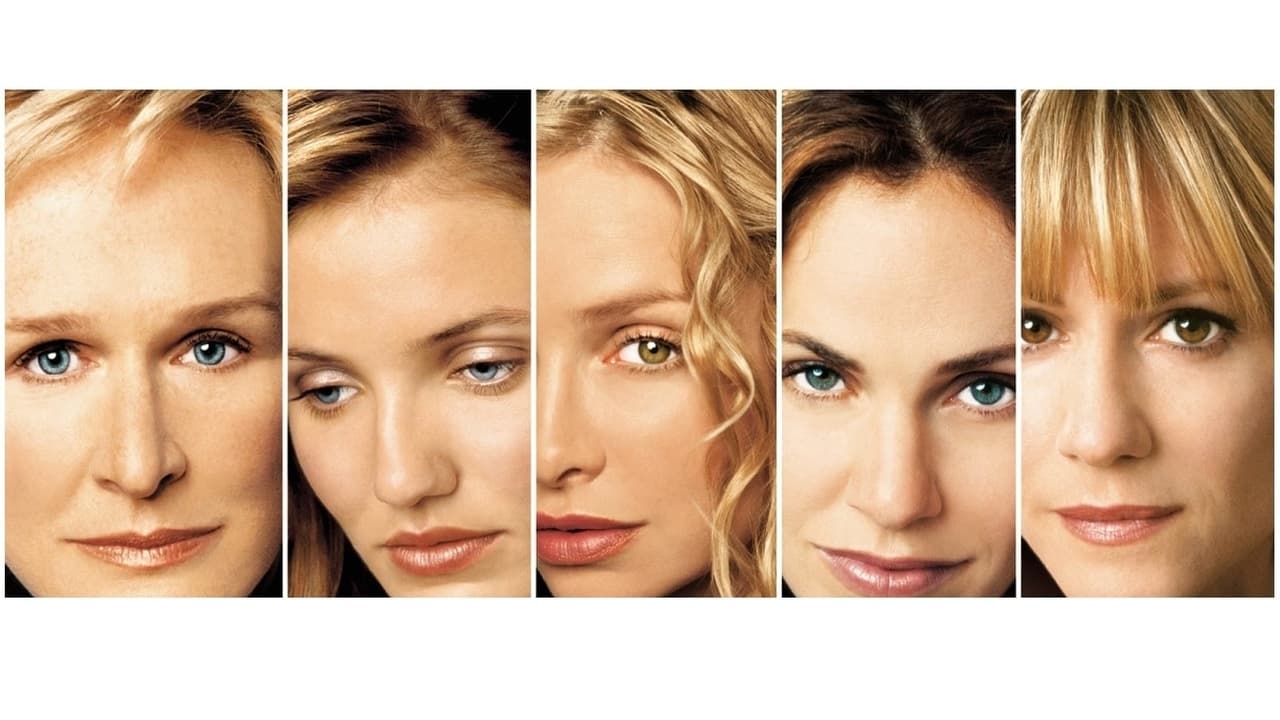
While not packed with the kind of "Retro Fun Facts" we often dig up for action flicks, the film's creation itself is interesting. García wrote the script relatively quickly and attracted this top-tier cast largely based on its strength. Its success wasn't measured in blockbuster box office returns, but in critical acclaim – it notably won the Un Certain Regard award at the 2000 Cannes Film Festival. This recognition highlights its artistic merit, a testament to what can be achieved with strong writing, assured direction, and actors willing to delve deep, even without massive budgets or flashy effects. It feels like a film born from a genuine desire to explore specific emotional truths, a quality that perhaps resonates even more strongly now. I remember renting this, possibly on DVD by then, expecting something different based on the cast, and being drawn into its quiet, contemplative rhythm. It wasn't what I expected, but it stayed with me.
The film isn't without its melancholic weight; these aren't stories necessarily leading to triumphant resolutions. They are snapshots of moments, of choices made or deferred, of connections missed or tentatively formed. It captures a certain slice of life, particularly the female experience, with honesty and empathy. What does linger is the sense of quiet dignity in the face of personal struggle, the shared human condition of seeking meaning and connection in a world that can often feel isolating.
### Final Thoughts
Things You Can Tell Just by Looking at Her is a film that rewards patience and attention. It won't grab you by the collar, but it might gently take your hand. It’s a reminder that compelling drama doesn't always need high stakes or loud declarations; sometimes, the most profound stories unfold in the quiet spaces, in the things left unspoken, in the truths you can glimpse just by looking closely.
Rating: 8/10 - This score reflects the exceptional quality of the acting across the board, the nuanced and sensitive direction, and the film's courage to embrace quiet observation over conventional melodrama. Its deliberate pace and segmented structure might not appeal to everyone, keeping it from a higher score for universal accessibility, but for those who appreciate character-driven, atmospheric storytelling, it's a deeply rewarding experience.