It begins with a song. A melody so steeped in melancholy, so resonant with despair, that legend whispers of its power to drive listeners to their end. While the notorious history surrounding Rezső Seress's composition "Szomorú Vasárnap" – or "Gloomy Sunday" – is likely more urban myth than documented fact, its haunting presence forms the very soul of Rolf Schübel's 1999 film of the same name (originally Ein Lied von Liebe und Tod - A Song of Love and Death). This isn't perhaps the typical fare we often reminisce about here at VHS Heaven, lacking the high-octane thrills or broad comedy of many 80s staples. Yet, watching it again, perhaps on a well-worn tape acquired from a dusty corner of the import section back in the day, reminds one of those quieter, more profound cinematic discoveries that stick with you long after the VCR clicks off.

Budapest Dreams, Looming Shadows
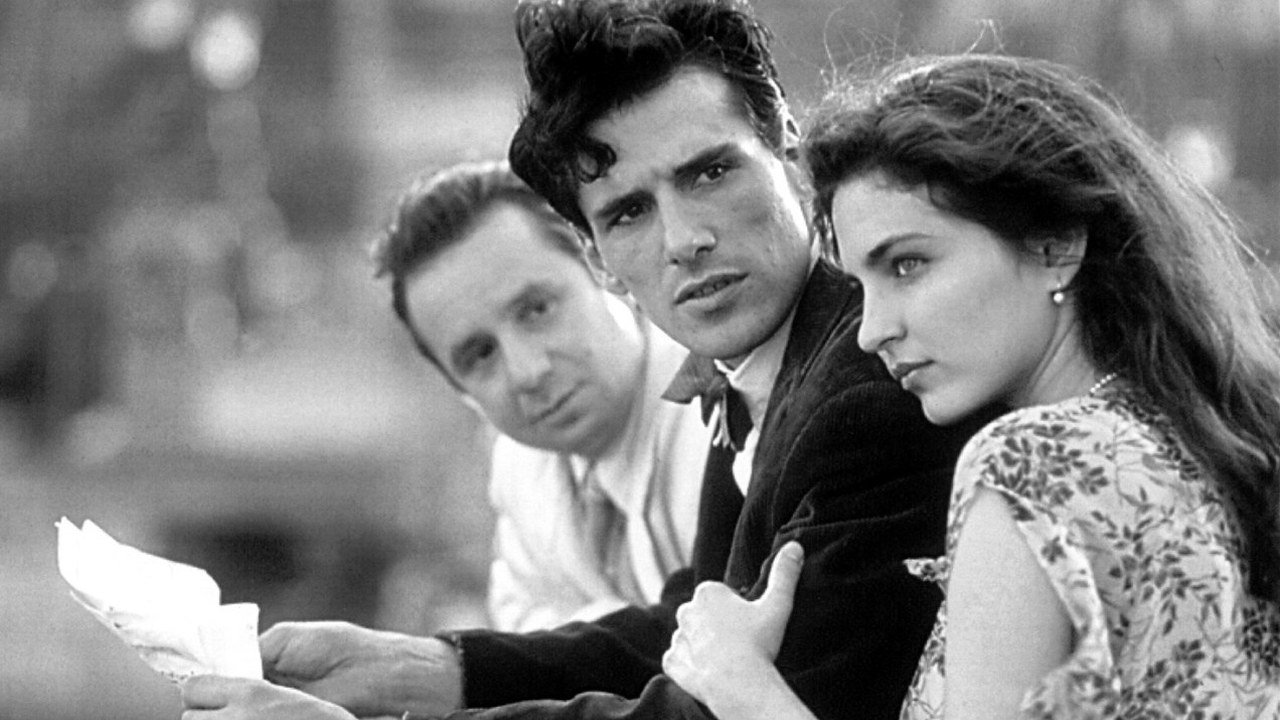
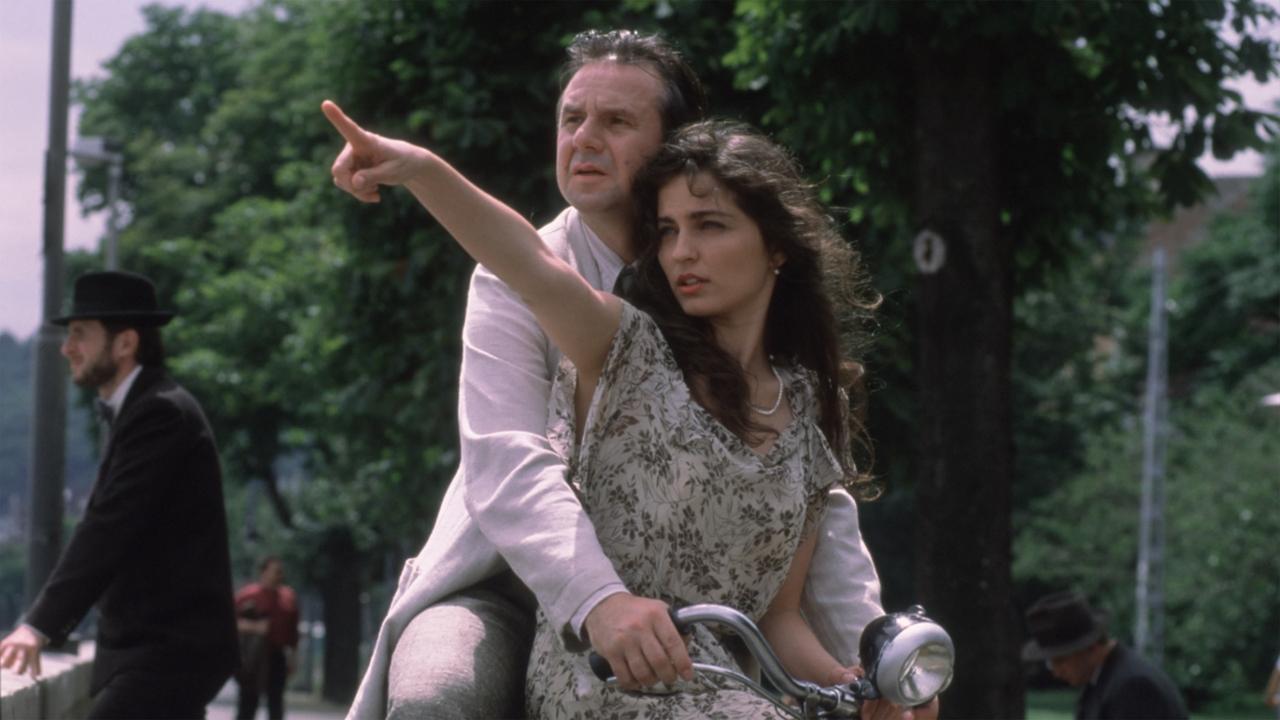
The film transports us to Budapest in the late 1930s, specifically to a cozy, elegant restaurant owned by the kind-hearted Jewish businessman László Szabó (Joachim Król). László is in love with his captivating manager and lover, Ilona (Erika Marozsán), a woman whose allure seems almost elemental. Into their lives walks András Aradi (Stefano Dionisi), a pianist hired by László. András is quiet, intense, and soon utterly smitten with Ilona. He composes a song for her birthday – "Gloomy Sunday" – a piece born of his unrequited yearning. What unfolds isn't a simple love triangle, but something more complex, more European in its sensibilities. László, seeing the connection between Ilona and András, makes a startlingly pragmatic proposition: Ilona can have them both. This delicate, unconventional ménage à trois forms the fragile heart of the story, existing within the warm glow of the restaurant, seemingly insulated from the darkening world outside.
Schübel, who also co-wrote the script adapting Nick Barkow's novel, masterfully crafts an atmosphere thick with romance and impending doom. The restaurant scenes are lush, intimate, filled with the clinking of glasses, murmured conversations, and the ever-present music. Cinematographer Edward Kłosiński (known for his work with Polish masters like Krzysztof Kieślowski) bathes these moments in a warm, nostalgic light that feels almost dreamlike. It’s a bubble of fragile happiness, and we, the viewers, feel the tension knowing the historical storm clouds – the rise of Nazism and the looming Second World War – are gathering just beyond the restaurant doors.
The Weight of a Song, The Choices of Men
The song itself becomes a character. As "Gloomy Sunday" gains unexpected popularity, its melancholic beauty resonates deeply, but reports also surface of suicides linked to the tune. This adds a layer of fatalistic mystique to the central romance. Does the song possess a genuine, dangerous power, or does it merely tap into a pre-existing societal despair? The film wisely leaves this ambiguous, focusing instead on how the characters navigate their intertwined lives under its shadow.
The arrival of Hans Wieck (Ben Becker), a German businessman who frequents the restaurant and is also captivated by Ilona (and saved by her from drowning years earlier), introduces the encroaching horror of the outside world. Initially charming, Hans returns later as an SS officer, his presence forcing the idyllic arrangement into confrontation with brutal reality. It’s here the performances truly anchor the film's emotional weight. Joachim Król is wonderful as László, embodying a world-weary warmth and pragmatism that makes his later plight all the more heart-wrenching. Stefano Dionisi perfectly captures the brooding artistry and tortured soul of András. Ben Becker portrays Hans' transformation from admirer to perpetrator with chilling effectiveness.
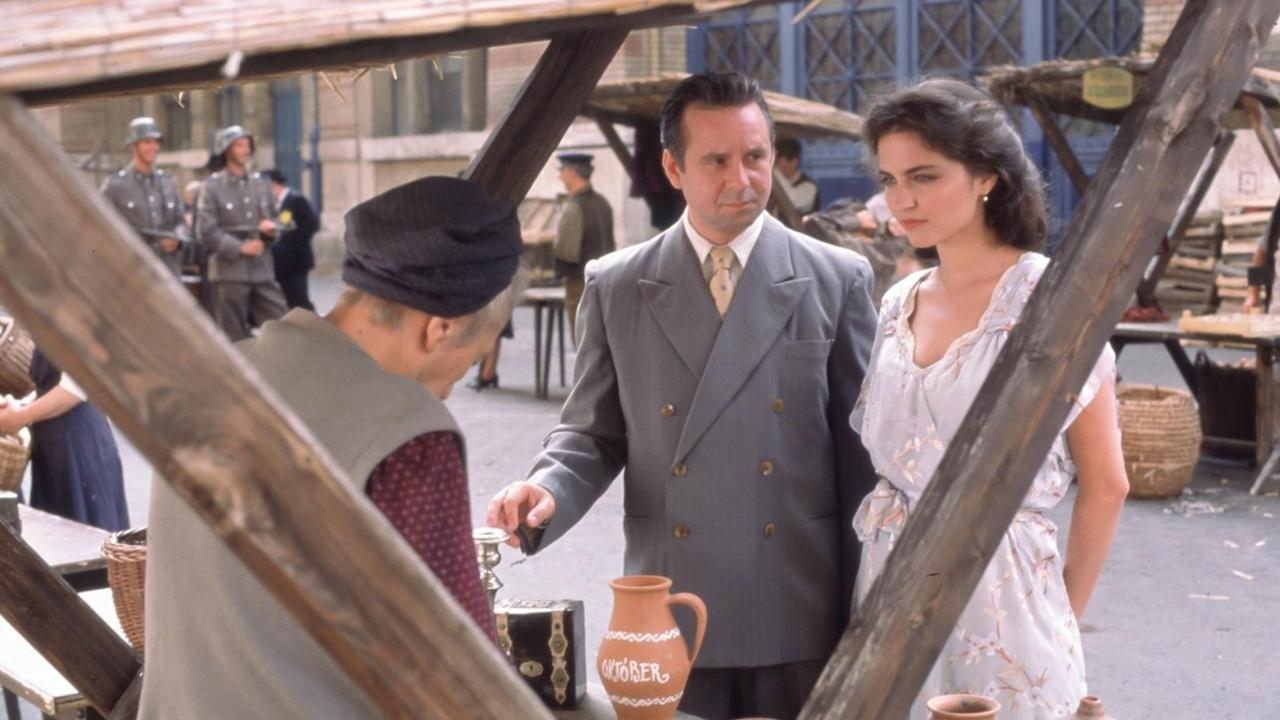
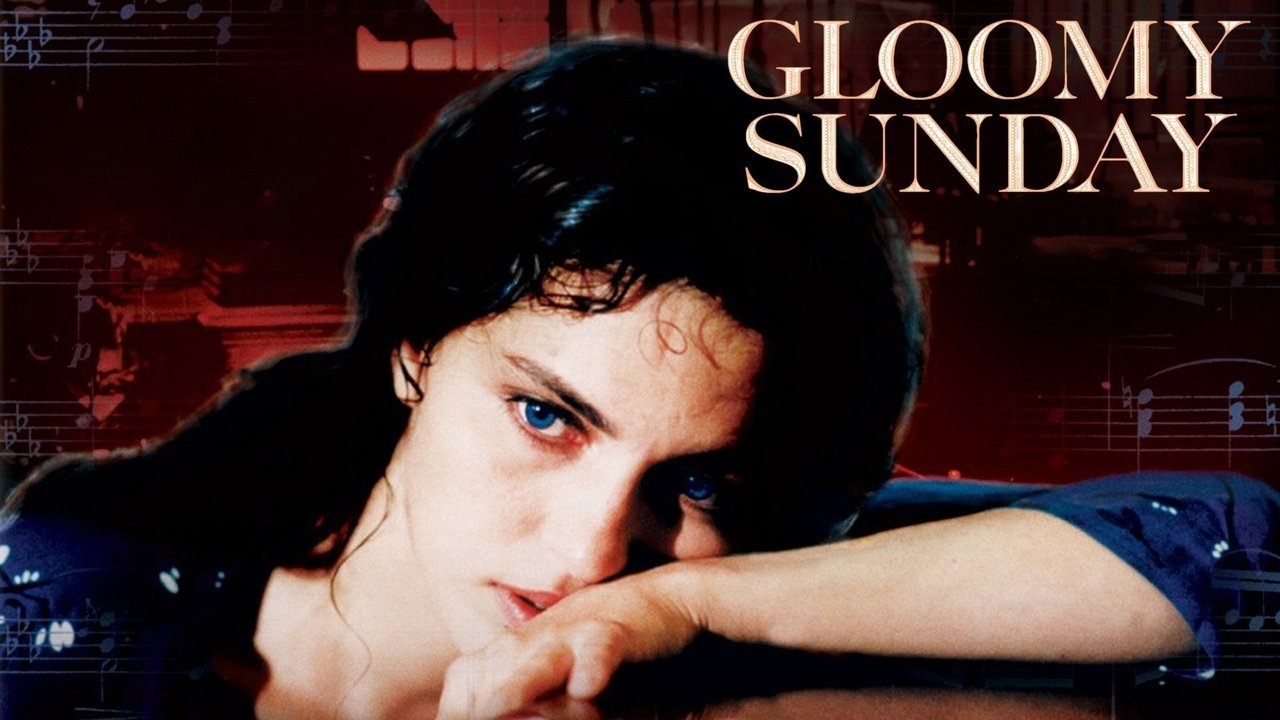
But the film belongs to Erika Marozsán. Ilona is the sun around which these men orbit, yet she's never merely an object of desire. Marozsán imbues her with intelligence, strength, and a profound sense of loyalty, even within the unconventional relationship. Her choices, driven by love and a desperate instinct for survival, feel authentic and deeply human. We understand why these men are drawn to her; she possesses a quiet resilience that is captivating.
A Taste of History, A Lingering Tune
Finding concrete behind-the-scenes details on Gloomy Sunday can be a bit tricky compared to Hollywood blockbusters, but it's known that filming took place extensively on location in Budapest, lending the film an undeniable authenticity. The budget was modest for a period piece, estimated around DEM 10 million (roughly $5.5 million USD at the time), yet the production design beautifully recreates the era. While not a massive box office hit internationally, it garnered significant acclaim in Germany and Hungary and developed a strong cult following among arthouse audiences worldwide – the kind of film you might have heard about through word-of-mouth at the video store, recommended by the clerk who knew your taste leaned towards something more thoughtful.
The narrative structure, framed by a modern-day epilogue where an elderly Hans returns to the restaurant, adds another layer of intrigue and leads to a quietly devastating conclusion (Spoiler Alert for the ending's implication, though not the specifics: The ending provides a powerful, if unsettling, sense of delayed justice and underscores the lasting trauma of the era). It refuses easy answers or simple moral judgments, forcing reflection on the compromises made for love and survival.
Gloomy Sunday isn't about flashy effects or action sequences. Its power lies in its evocative atmosphere, its complex characters, and its exploration of love and loss against the backdrop of historical tragedy. It asks us to consider the enduring power of art, even when associated with darkness, and the impossible choices people face when their world collapses. Doesn't the memory of such intricately woven stories, discovered perhaps unexpectedly on a quiet rental night, hold its own special kind of nostalgic warmth?
Rating: 8/10
This rating reflects the film's powerful storytelling, exceptional performances (especially from Marozsán and Król), and masterful creation of atmosphere. It successfully blends romance, music, and historical drama into a poignant and unforgettable whole. While its pacing is deliberate and its themes heavy, its emotional impact is undeniable. It loses a couple of points perhaps for a structure that feels slightly conventional in its framing device, but the core narrative is deeply affecting.
Gloomy Sunday is a reminder that sometimes the most haunting melodies, and the most resonant films, are the ones tinged with sadness, leaving you contemplative long after the final notes fade.